
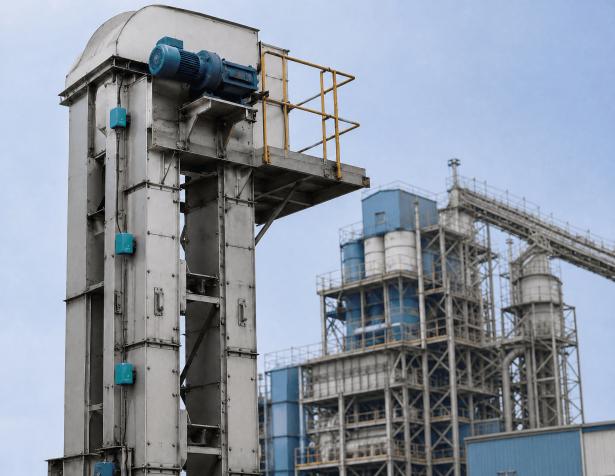
- Lifting Capacity: 65-2200m³/h
- Conveying Speed: ≤1.2m/s
- Lifting Height: ≤65m
- Type: Chain bucket elevator, belt bucket elevator
Cost Effective and Reliable Vertical Conveying
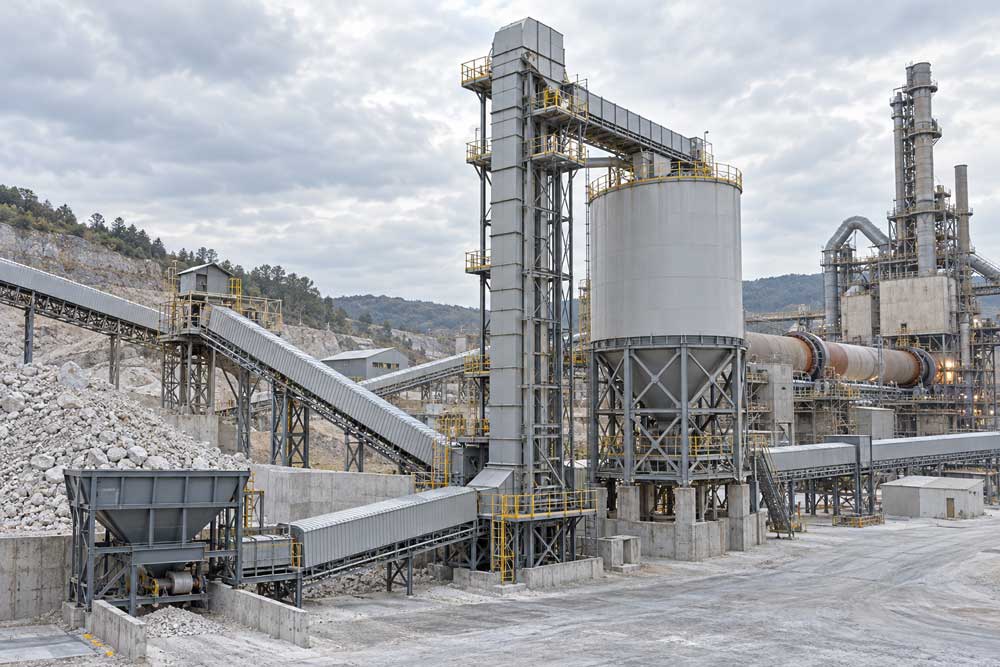
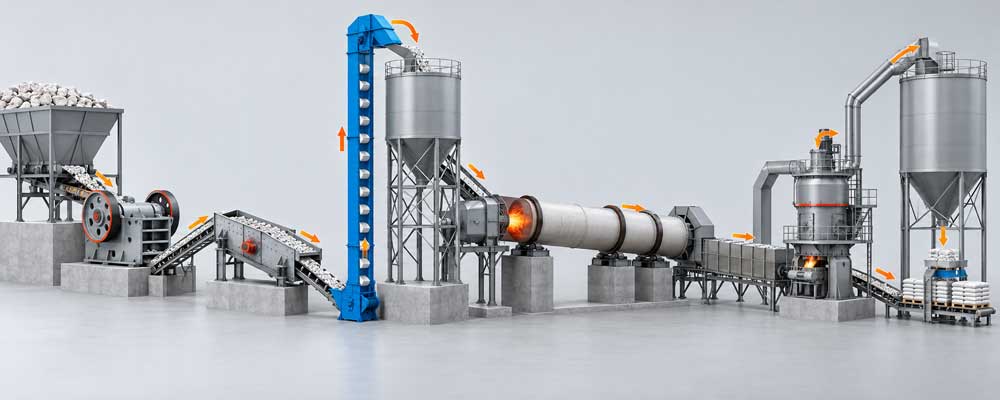
A bucket elevator provides enclosed vertical conveying between crushing, calcination, cooling, grinding, storage and packing stages in a lime production plant. It is not a distinct, specialized equipment model, but a bucket elevator selected and reinforced to suit the operating conditions of lime production.
AGICO supplies customized bucket elevator systems for handling different dry bulk materials used in lime production, including limestone, quicklime, hydrated lime and lime powder etc. According to the different raw materials, our bucket elevator can be divided into chain bucket elevator and belt bucket elevator.
With outstanding quality, high conveying capacity, reliable operation, long service life, and low operating costs, AGICO Cement bucket elevators help customers worldwide handle bulk materials. We offer bucket elevators for a wide range of lime materials. Simply tell us your material temperature, particle size, dust characteristics, abrasiveness, and required throughput, and our engineers will recommend a suitable elevator type and tailor its design to your needs.
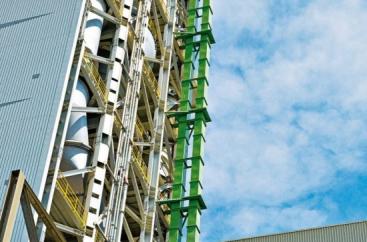
Belt Bucket Elevator vs. Chain Bucket Elevator
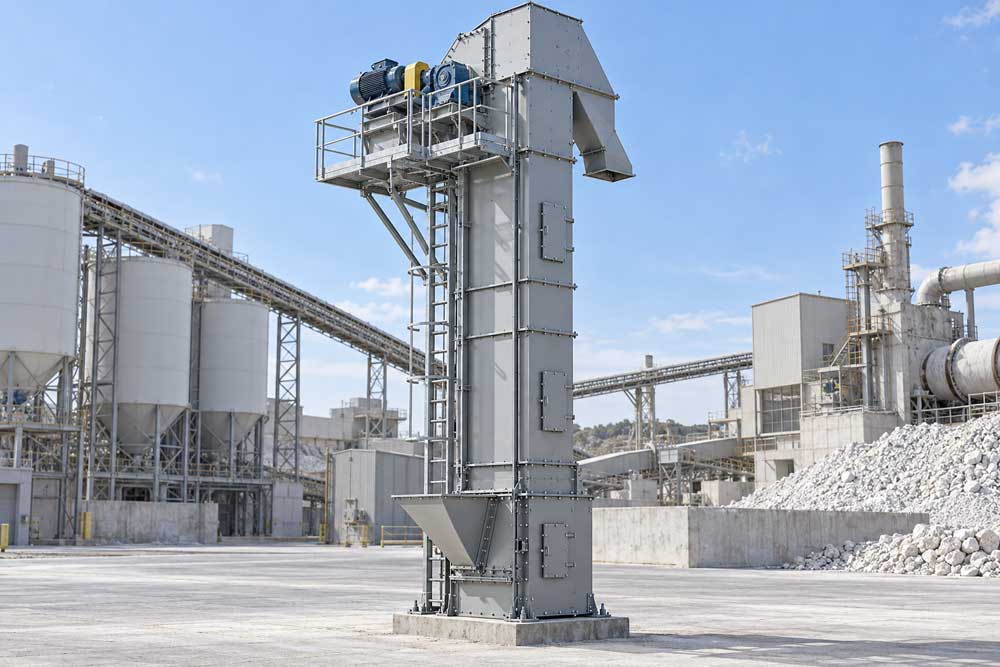
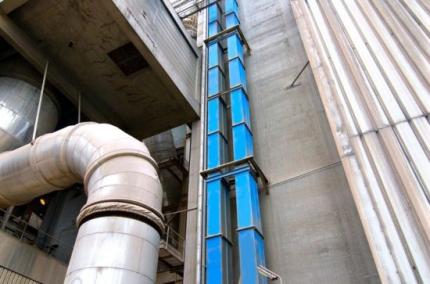
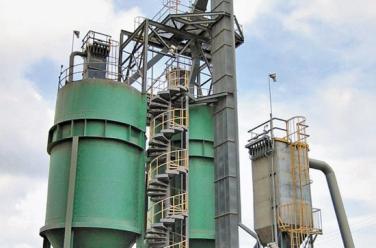
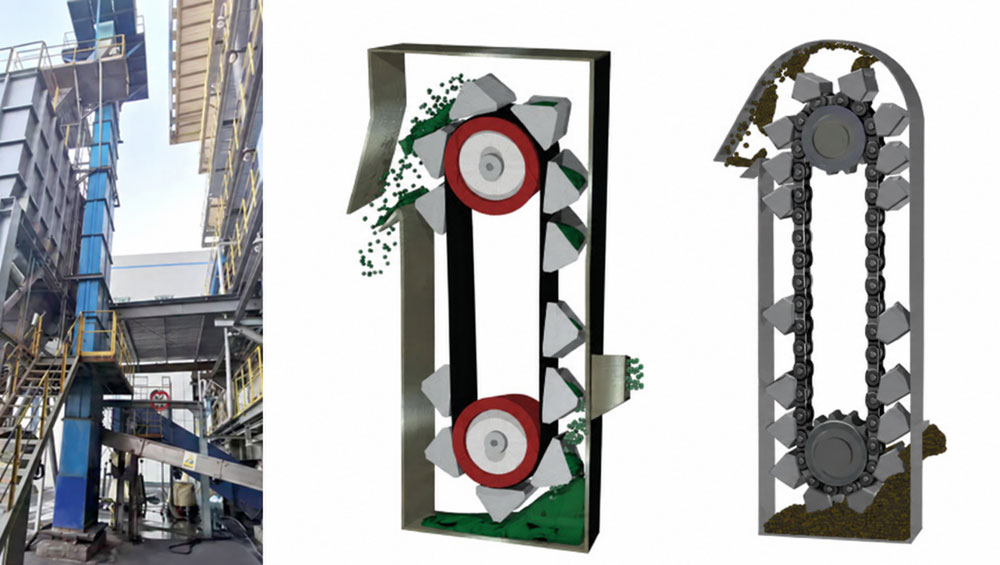
AGICO Cement offers two types of bucket elevator for lime plant. One is belt bucket elevator, the other is chain bucket elevator. The final choice depends on material temperature, lump size, bulk density, abrasiveness, moisture, required capacity and lifting height. No matter belt bucket elevator or chain bucket elevator, the final specifications are determined according to the actual material and plant layout.
Belt Bucket Elevator
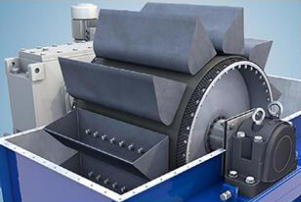
Materials can be handled: Fine limestone, cooled quicklime powder, hydrated lime.
Main advantages: Higher speed, quieter operation, lower weight.
| Item | Specification |
|---|---|
| Loading Type: | Scoop type |
| Discharging Type: | Centrifugal type |
| Bucket Width: | 160/200/250/315/400/500/630/800/1000/1250/1600mm |
| Max Capacity: | 1,541 m³/h |
| Max Lifting Height: | Up to 80 m |
| Bucket Speed: | Up to 1.86 m/s |
| Drive Device type: | Gear-motor unit / Motor+Fluid coupling+Gear-box |
| Take-up type: | Gravity and Spring unit |
| Protection Device: | Speed switch / Temperature sensors / Blockage sensor |
| Structural Feature: | Adopt polyester conveyor belt or steel cord conveyor belt as traction component. |
Chain Bucket Elevator
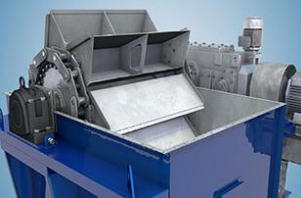
Materials can be handled: Coarse, abrasive or hotter material
Main advantages: Heavy-duty construction and better heat resistance
| Item | Specification |
|---|---|
| Loading Type: | Directly flow type |
| Discharging Type: | gravity type |
| Bucket Width: | 250/300/400/500/600/800/1000mm |
| Max Capacity: | 941 m³/h |
| Max Lifting Height: | Up to 45 m |
| Bucket Speed: | 0.5m/s |
| Drive Device type: | Gear-motor unit / Motor+Fluid coupling+Gear-box |
| Take-up type: | Gravity + Spring unit |
| Protection Device: | Speed switch / Temperature sensors / Blockage sensor |
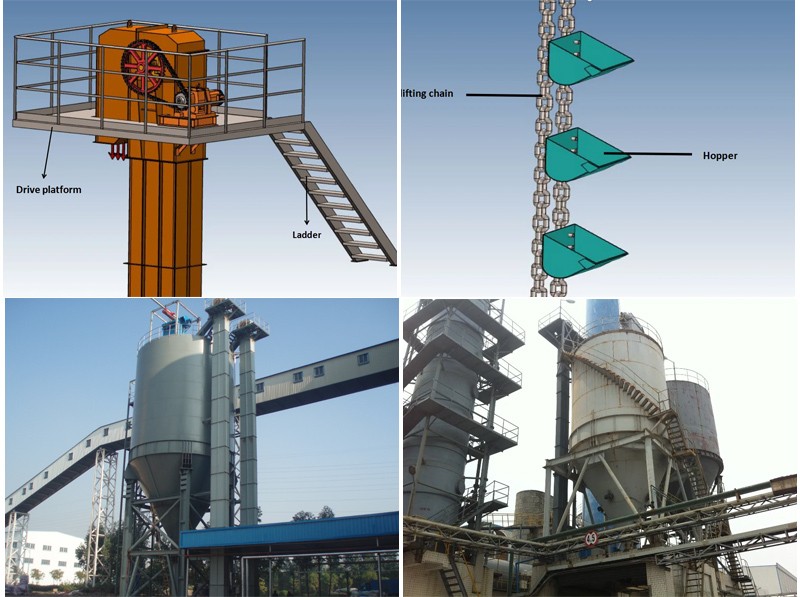
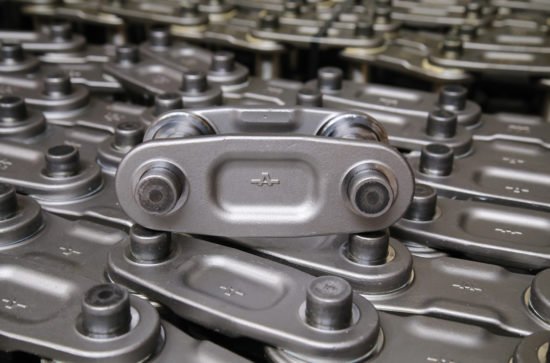
| Structural Feature: | Adopt plate chain as traction component |
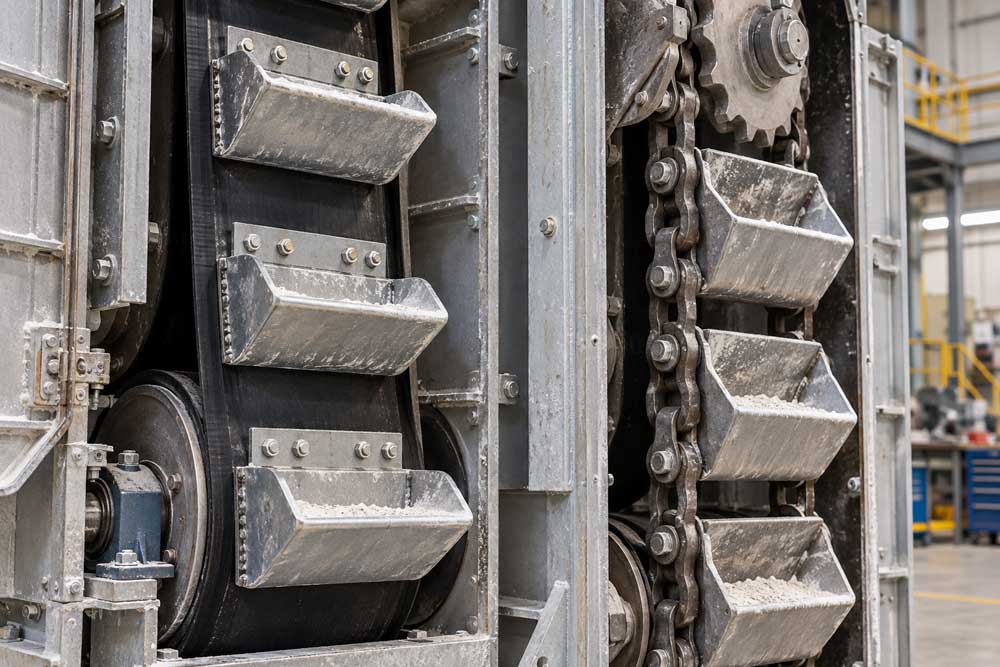
Bucket Elevator Main Components and Custom Options
A bucket elevator for a lime plant must be designed around the material being handled and the conditions at the installation point. Crushed limestone, hot quicklime, quicklime powder and hydrated lime have different effects on the casing, buckets and traction components. For this reason, the elevator configuration should be selected only after the material temperature, particle size, bulk density, abrasiveness, moisture condition, lifting height and required capacity have been confirmed.
AGICO can adapt the following components to suit new lime production lines as well as existing plant upgrades.
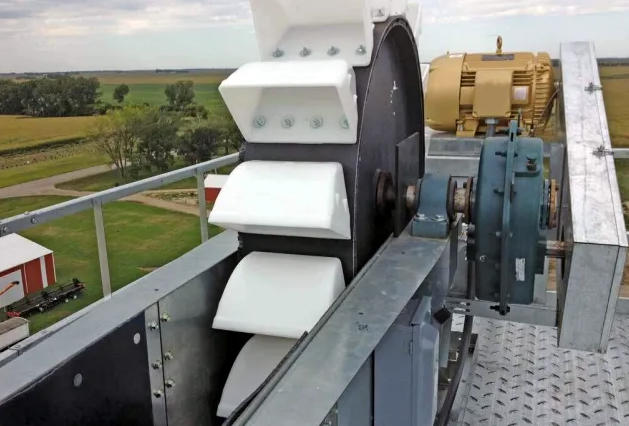
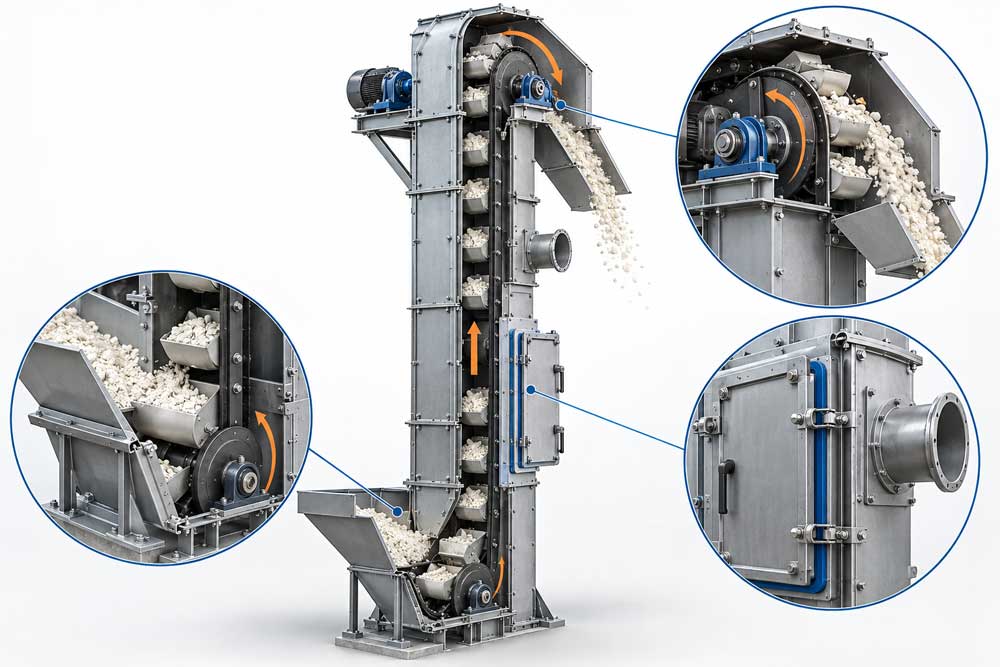
Elevator Casing
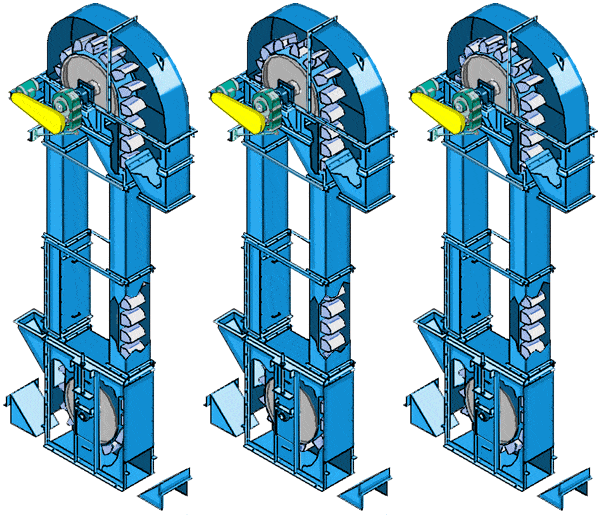
Carbon steel casing provides a strong, enclosed conveying channel. Plate thickness, reinforcement, sealing and surface treatment can be customized for outdoor, dusty, humid or high-temperature conditions. Sealed inspection doors allow convenient maintenance while helping control lime dust leakage.
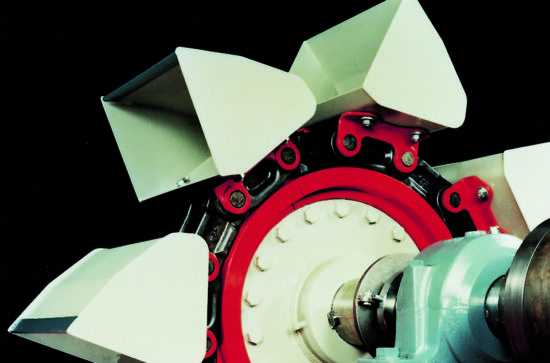
Steel Buckets and Wear-Resistant Lips
Bucket size, profile and spacing are selected according to the material and required capacity. Reinforced steel buckets and replaceable wear-resistant lips are available for coarse limestone, quicklime lumps and other abrasive materials.
Belt or Chain System
Belt bucket elevators are generally suitable for fine, free-flowing materials at controlled temperatures. Heat-resistant belts can be selected for elevated-temperature service.
Heavy-duty chain elevators are better suited to hot, coarse or highly abrasive materials. The chain specification is determined by the lifting height, bucket load and operating conditions.
Replaceable Wear Liners
Replaceable liners can be installed at the inlet, boot and discharge sections. They protect the main structure from impact and abrasion while reducing long-term maintenance costs.
Dust Collection Connections
Dust extraction connections can be installed at major transfer points. Their location and size are coordinated with the plant’s dust collector to reduce dust leakage during material loading and discharge.
Safety Monitoring System
Available monitoring devices include speed switches, belt or chain misalignment detectors and boot-level sensors. These devices provide early warnings and can stop upstream feeding when abnormal operation or material blockage is detected.
Custom Options
Optional configurations include a backstop, access platforms, maintenance doors, customized inlet and discharge chutes, special surface treatment and project-specific control devices.
Customized for Each Lime-Handling Duty
Not every project requires every option. AGICO configures the bucket elevator according to the conveyed material, particle size, bulk density, temperature, capacity, lifting height and connection with upstream and downstream equipment in the lime production line.
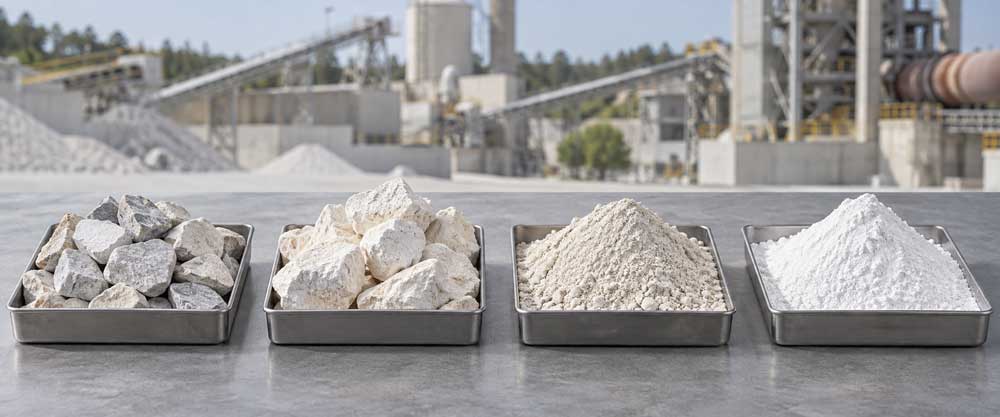
Materials Our Lime Bucket Elevators Can Handle
| Material | Typical Form | Main Handling Concern | Recommended Design Direction |
|---|---|---|---|
| Limestone | Crushed lumps | Impact and abrasion | Heavy-duty buckets and wear-resistant inlet |
| Limestone powder | Fine powder | Dust leakage | Enclosed casing and dust extraction |
| Quicklime | Lumps or powder | Heat, abrasion and moisture sensitivity | Heat-resistant components and sealed casing |
| Hydrated lime | Fine powder | Dust, aeration and buildup | Dust-tight, low-spillage design |
| Dolomite | Lumps or powder | Abrasion and variable density | Project-specific bucket and drive selection |
| Calcined dolomite | Hot lumps | Elevated temperature and wear | Heavy-duty chain-type arrangement |
Why Choose AGICO?
A bucket elevator must work as part of the complete lime-handling system. AGICO combines equipment selection with process and layout planning to provide a reliable connection between crushing, calcination, grinding, storage and packing stages.
Material-Specific Selection
We select the elevator type according to the material’s particle size, bulk density, temperature, abrasiveness and flow characteristics. Different configurations are available for limestone, quicklime lumps, quicklime powder and hydrated lime.
Complete Lime-Process Experience
Our engineers understand the material-handling requirements throughout a lime production line. This helps us select equipment that matches the actual process instead of treating the bucket elevator as an isolated machine.
Coordinated Equipment Interfaces
The elevator can be coordinated with crushers, vibrating feeders, lime kilns, grinding mills, storage silos and packing machines. Capacity, inlet position, discharge height and control sequence are reviewed together.
Customized Layout and Connections
AGICO can provide preliminary layout support and customize the inlet, outlet and transfer chutes according to the available installation space and connected equipment.
Controls and Safety Interlocks
Speed monitoring, misalignment detection, blockage alarms and equipment interlocks can be included. The control sequence can stop upstream feeding when the elevator or downstream equipment is unavailable.
Installation and Lifecycle Support
We provide installation guidance, commissioning support and operator training according to the project scope. Recommended spare parts can also be prepared to support routine maintenance and reduce downtime.
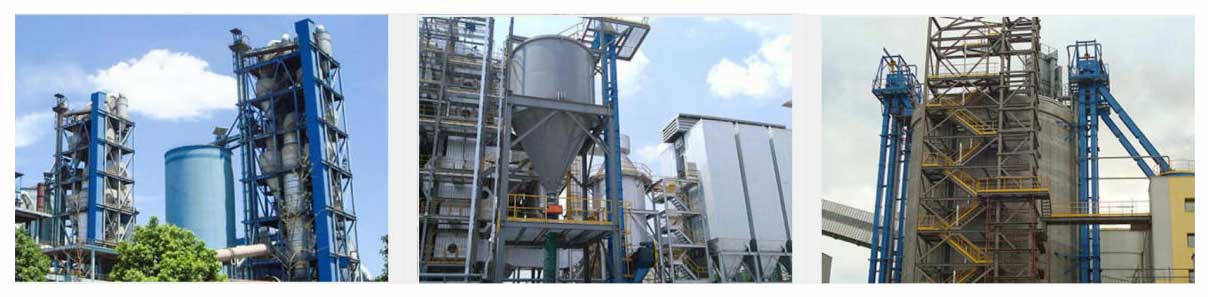
Where Bucket Elevators Are Used in Lime Production?
01
After Limestone Crushing
The bucket elevator conveys crushed limestone to screening equipment or raw material storage bins.
02
Before Lime Kiln Feeding
It lifts properly sized limestone to the kiln feed bin or weighing and feeding system.
03
After Cooling
The elevator transfers cooled quicklime to screening, crushing or storage equipment.
04
In Quicklime Grinding Systems
It connects grinding mills with classifiers, finished-product silos and other downstream equipment.
05
In Hydrated Lime Plants
The elevator handles dry quicklime powder or hydrated lime powder. It is not suitable for conveying lime slurry or lime milk.
06
Before Storage and Packing
The elevator lifts finished lime powder to a lime storage silo or packing system.
Customize your bucket elevator
Please provide the material name, particle-size range, bulk density, moisture content, normal and maximum temperature, required throughput, lifting height and operating hours. Information about the upstream and downstream equipment is also important.
Why Lime Materials Require Special Elevator Design
If you work in the lime production industry, a customized bucket elevator is usually required for the following reasons:
High Temperature: Quicklime discharged from the kiln may still be at an elevated temperature.
Abrasive Particles: Limestone and quicklime can cause wear to the buckets, chains and inlet section.
Fine Dust: Hydrated lime and lime powder can generate significant dust during conveying.
Moisture Sensitivity: Quicklime reacts with water, while hydrated lime may absorb moisture and form lumps.
Material Buildup: Fine powder may accumulate in the boot section, buckets and discharge chute.
Unstable Feeding: Sudden surges from upstream equipment may cause material buildup in the boot section or overload the drive motor.
Frequently Asked Questions
Not necessarily. These materials have different particle sizes, temperatures, flow characteristics and wear levels. The elevator must be selected for the specific material and operating conditions. A machine designed for limestone lumps may not be suitable for fine hydrated lime powder without modification.
Belt bucket elevators are generally suitable for fine, free-flowing materials at controlled temperatures. Chain bucket elevators are usually preferred for hot, coarse or highly abrasive materials. The final selection depends on the material, capacity, lifting height and operating temperature.
Yes, provided that the elevator is designed for the actual quicklime temperature. A heat-resistant belt may be suitable within its approved temperature range, while hotter or more demanding applications may require a heavy-duty chain elevator. Normal and maximum temperatures should both be provided during selection.
Dust leakage can be reduced through an enclosed casing, sealed inspection doors, properly designed inlet and discharge chutes, and dust collection connections at transfer points. The elevator should be coordinated with the plant’s ventilation and dust collection system.
Please provide the material name, particle-size range, bulk density, moisture content, normal and maximum temperature, required throughput, lifting height and operating hours. Information about the upstream and downstream equipment is also important.
Yes. AGICO can review the existing equipment layout and customize the inlet, discharge chute and supporting arrangement. Interface dimensions, available space, capacity and control signals should be confirmed before the final design.