
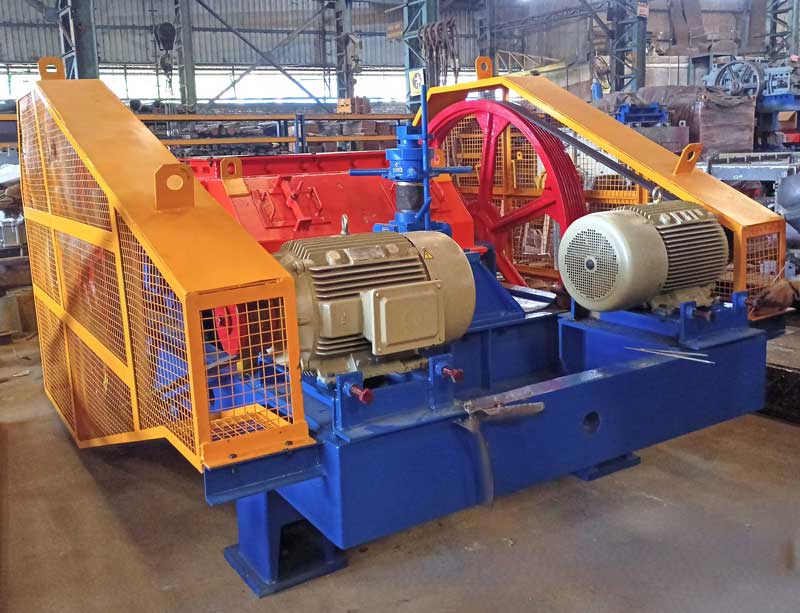
Main Function: Control particle sizes precisely, suitable for lime production lines.
Feeding Size: ≤150mm
Discharge Size: 2-50mm
Production Capacity: Customized
Common Types: Single roll crusher, double roll crusher, four roll crusher, toothed roll crusher.
Application: Limestone, coal, gypsum, and clay, etc.
Roll Crusher for Limestone Crushing
Roll crushers, also called roller crushers, are a type of common crushing equipment widely used in industries such as mining, metallurgy, construction materials, and chemical engineering. They are mainly used for medium and fine crushing of various materials such as limestone, coal, ore, glass, clay, etc.
A roll crusher is one of the most important limestone crushers. It is widely used in the lime production line or the lime calcination plant. That is because the particle size of the limestone must be properly controlled, neither too large nor too fine. At this time, the roll crusher is the most suitable choice to crush limestone. With a roll crusher, the limestone size can be controlled accurately.
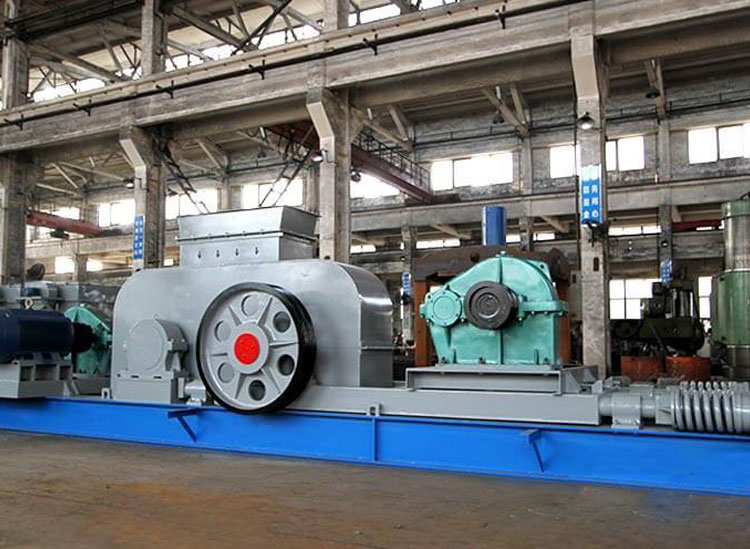
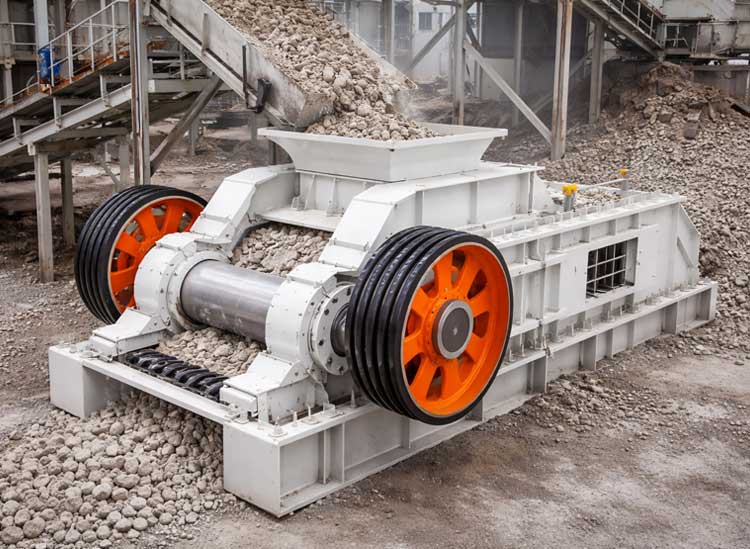
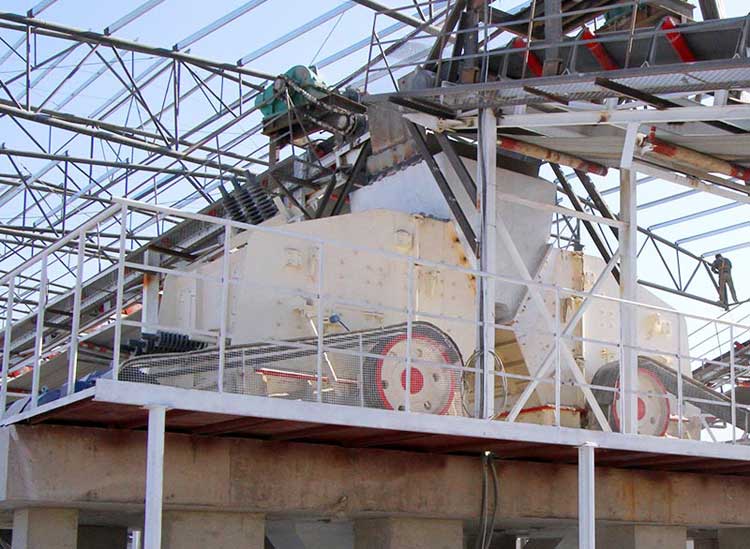
AGICO Cement Roll Crusher, Your Reliable Choice!
Why Use Roll Crusher in Lime Industry?
In the lime production industry, the quality of limestone directly affects the efficiency of the calcination process. Therefore, controlling the particle size of limestone is a critical step in the crushing stage.
The roll crusher is widely used in limestone processing due to its unique crushing principle and performance advantages.
Low Fines Generation
Unlike hammer crushers or impact crushers, the roll crusher uses a compressive crushing method rather than impact force. This significantly reduces the production of fines, preventing excessive powder that can negatively affect lime kiln performance and increase dust pollution.
Uniform Particle Size
The roll crusher produces a more uniform and consistent output size. This is essential in lime production, as evenly sized limestone ensures stable and efficient calcination inside the lime kiln.
Suitable for Limestone
Limestone is a medium-hard and brittle material, so it is ideal for roll crushing. The roll crusher can effectively process limestone with high efficiency while maintaining product quality.
Adjustable Discharge Size
The gap between the rollers can be easily adjusted, which allows precise control over the final particle size. This flexibility helps to meet different process requirements in lime plants.
Improved Lime Kiln Efficiency
By providing properly sized and uniform limestone, the roll crusher helps improve heat transfer and reaction efficiency in the lime kiln. Finally, it can reduce energy consumption and improving product quality.
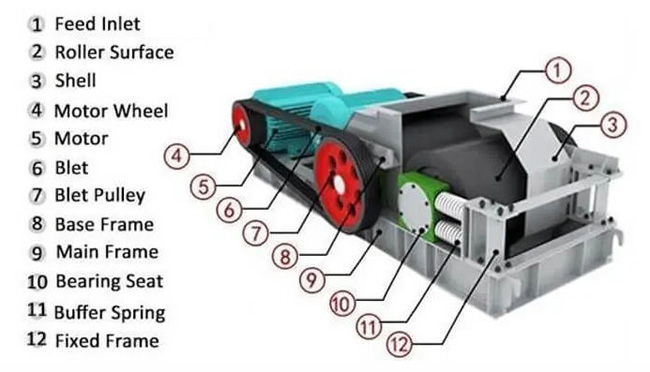
In lime production, the size of limestone plays a very important role in the overall calcination process. If the material is too large, it will not be fully calcined. If it is too fine or small, it may lead to energy waste and dust problems. Therefore, choosing the right crushing equipment is essential. For the above reasons, the roll crusher is an ideal choice for secondary and fine crushing in modern lime production lines.
AGICO Cement Roll Crusher Types
According to the number of rollers, roll crushers can be classified into single roll crusher, double roll crusher, triple roll crusher and four-roll crusher. While based on the design of the crushing surface, it can be divided into toothed roll crusher and smooth roll crusher. Each type is suitable for different crushing stages and material characteristics. AGICO Cement offers various types of roll crushers, you can customize them according to your requirements.
Single Roll Crusher
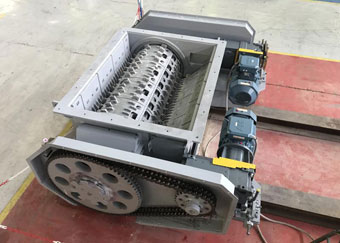
As the name shows, a single-roll crusher has one rotating roll and a fixed crushing plate. It is mainly used for primary crushing of soft to medium-hard materials. This type of crusher is suitable for handling larger feed sizes and is often applied in coal and salt processing.
Double Roll Crusher
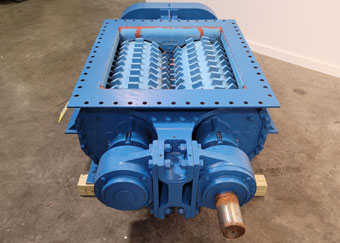
The double roll crusher features two rollers rotating in opposite directions. It is the most commonly used roll crusher and is widely applied for secondary and fine crushing. It provides good control over particle size and produces fewer fines, so it is especially suitable for limestone processing. We offer a high-quality double roll crusher with features of easy maintenance, low cost, low fines generation, simple structure, and suitable for lime production line, etc.
Triple Roller Crusher
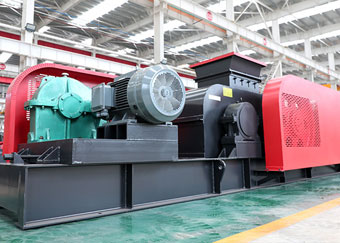
The triple roll crusher includes three rollers, typically two primary rollers and one secondary roller. It allows a two-stage crushing process within a single machine, resulting in finer and more uniform output. This type is used when a more precise size reduction is required.
Four Roll Crusher
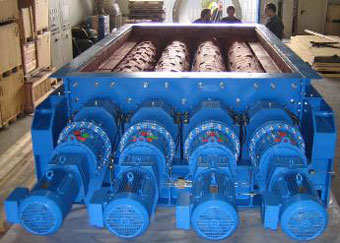
The four roll crusher is equipped with four rollers, usually arranged as two pairs. The first pair performs coarse crushing, while the second pair handles fine crushing. This design enables better size control and produces a more uniform product, so it is suitable for more demanding applications.
Toothed Roll Crusher
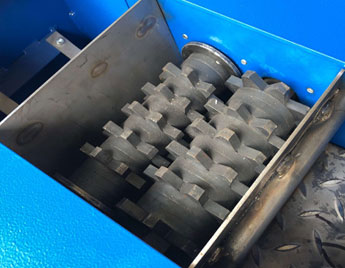
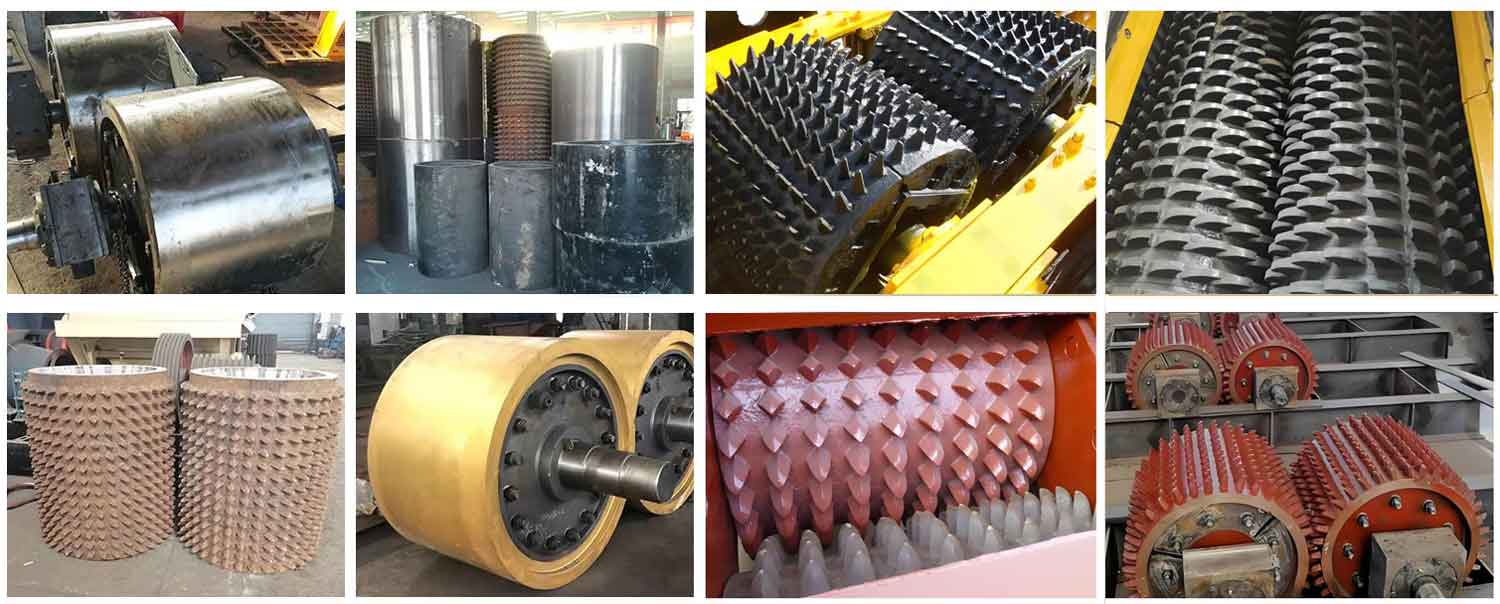
The toothed roll crusher is designed with teeth on the roller surface. These teeth help grip and pull in larger or harder materials, improving crushing efficiency. It is commonly used for coal, coke, and other bulk materials with larger feed sizes.
Smooth Roll Crusher
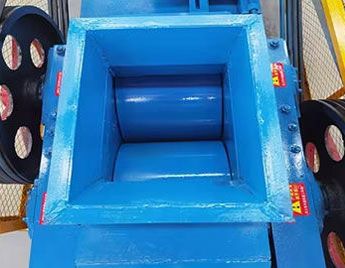
The smooth roll crusher has a smooth roller surface and relies mainly on compressive force for crushing. It is ideal for producing uniform particle sizes and minimizing fines, especially when processing brittle materials such as limestone.
Roll Crusher Working Principle
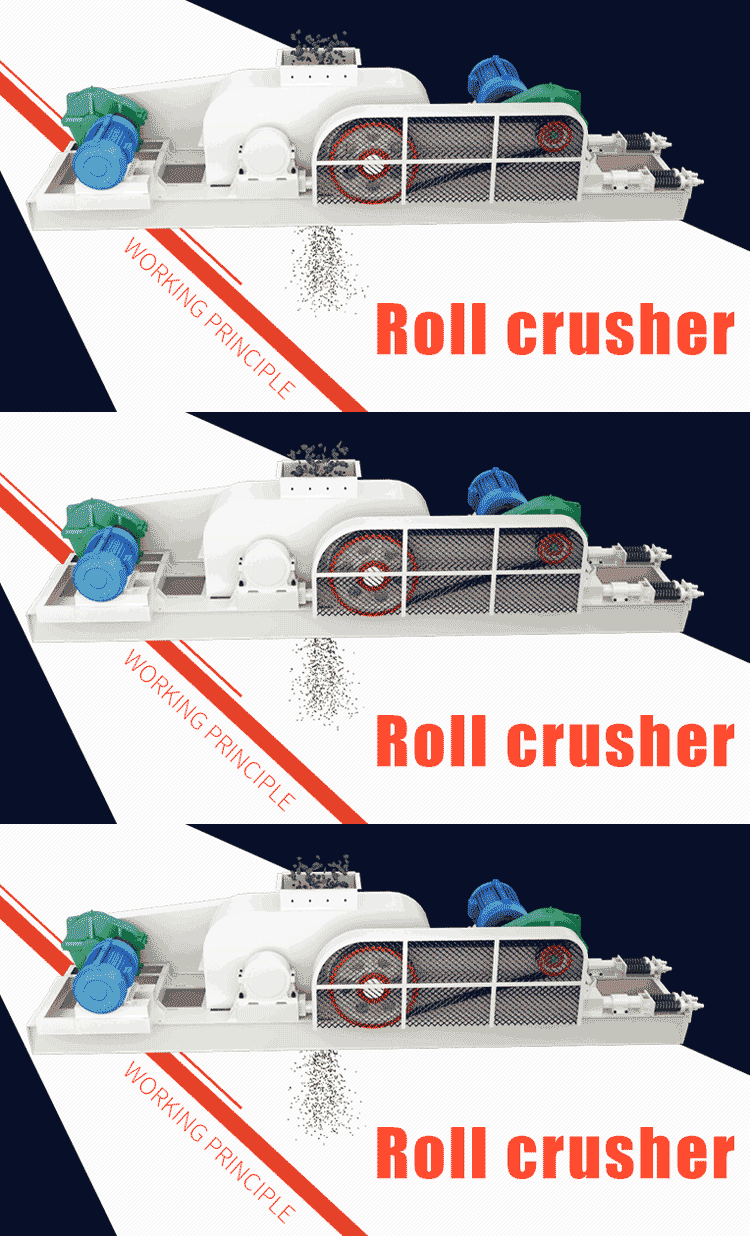
The roll crusher crushes material by compressive force through two rolls rotating toward each other. When the material passes through the gap between the rollers, it is crushed by the compressive force generated by the rollers.
After being crushed, the material is discharged from the gap between the two rollers. The rotational speed and diameter of the rollers should be properly designed to ensure reasonable feed size and product particle size distribution, thereby guaranteeing normal operation of the roll crusher.
Key Advantages
- Simple structure and reliable operation.
- Suitable for crushing materials of low to medium hardness.
- Uniform product particle size with minimal over-crushing to reach low fine generation.
- Easy maintenance and low operating costs.
Applications of Roll Crusher
The roll crusher plays an important role in different crushing stages across multiple industries. Just like other limestone crushers, the roll crusher plays an important role in the crushing stages for many industries. It is suitable for crushing medium hard and soft materials like limestone, coal, coke, gypsum, clay, and so on. Some plants that require uniform particle size and low fines especially need roll crushers.
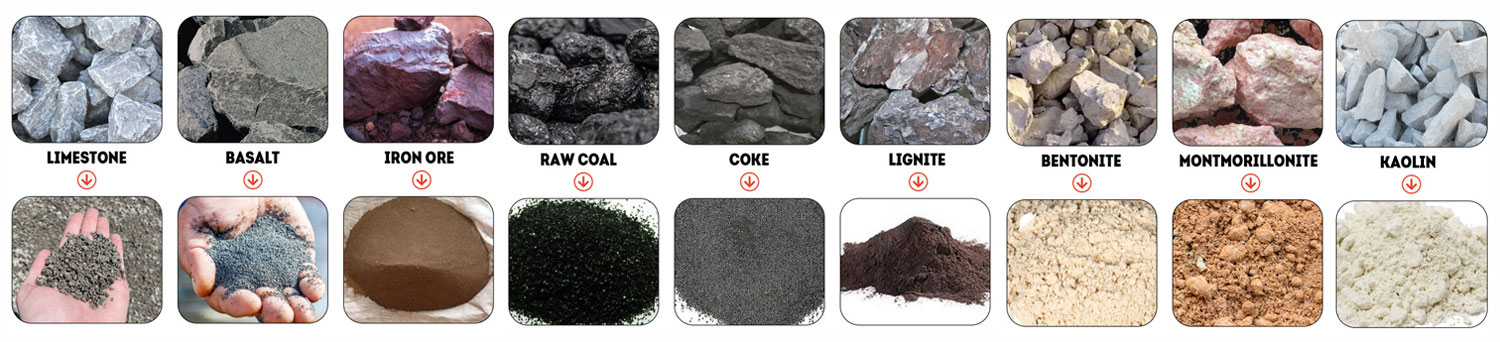
1. Limestone Crushing in Lime Production Line
In the lime production process, controlling the size of limestone is critical for efficient calcination. The roll crusher is ideal for secondary and fine crushing of limestone, producing uniform particles with minimal fines. This helps improve kiln performance and reduce energy consumption. During lime calcination, a jaw crusher first crushes the limestone, and then a roll crusher crushes it to the most suitable size before it is fed into the lime kiln.
2. Coal Crushing in Power Plants
Roll crusher is commonly used in coal processing due to the low over-crushing rate. It can effectively reduce coal size and maintain a consistent particle distribution. What’s more, roll crushers minimize material loss and improve combustion efficiency.
3. Gypsum Processing in Building Materials
For gypsum crushing, the roll crusher ensures even particle size without excessive powder generation. It is widely applied in cement and construction industries.
4. Salt and Chemical Material Crushing
Roll crushers are also suitable for crushing salt, chemical materials, and other brittle substances where precise size control is required.
Technical Specifications of Roll Crusher
Feed Size Requirement
The roll crusher requires a controlled feed size to ensure stable operation and efficient crushing performance. Compared with primary crushers, its feed size is relatively limited.
In general, the maximum feed size should be less than one-third of the roller diameter. Oversized materials may not be properly gripped by the rollers. For this reason, roll crushers are usually installed after jaw crushers in limestone crushing lines, because the material has already been pre-crushed to a suitable size with the jaw crusher.
Discharge Size Control
One of the main advantages of the roll crusher is that it can precisely control the discharge size. The gap between the two rollers can be adjusted mechanically or hydraulically according to the crusher design. The roll crusher is suitable for crushing medium-hard and soft materials with a compressive strength below 160 MPa. It performs best when processing dry or slightly moist materials such as limestone, coal, and gypsum.
| Model | Roller Diameter (mm) | Roller Length (mm) | Max Feed Size (mm) | Discharge Size (mm) | Capacity (t/h) | Motor Power (kW) |
|---|---|---|---|---|---|---|
| 400×250 | 400 | 250 | ≤50 | 2–20 | 5–10 | 5.5 |
| 600×400 | 600 | 400 | ≤80 | 5-25 | 10-25 | 11 |
| 750×500 | 750 | 500 | ≤100 | 5-30 | 20-40 | 18.5 |
| 900×600 | 900 | 600 | ≤120 | 10-40 | 30-60 | 30 |
Roll Crusher vs Other Crushers for Lime Calcination Plant
In limestone processing, different types of crushers are used at different stages of the production line. Each crusher has its own advantages, but the roll crusher stands out when precise particle size control and low fines are required.
Roll Crusher vs Jaw Crusher
The jaw crusher is mainly used for primary crushing. It can handle large limestone blocks and reduce them to a smaller size. However, the output size is usually uneven and not suitable for direct use in the lime kiln.In contrast, the roll crusher is used after the jaw crusher for secondary crushing. It produces a more uniform particle size and ensures that the material meets the requirements for calcination.
Roll Crusher vs Hammer Crusher
Hammer crushers are widely used for fine crushing, but they tend to generate a large amount of fines due to high-speed impact. This can lead to dust problems and reduced efficiency in the kiln.
The roll crusher uses a compressive crushing method, which significantly reduces fines generation. This makes it a better choice when clean and uniform limestone particles are needed.
Roll Crusher vs Impact Crusher
Impact crushers are effective for shaping materials and achieving finer sizes, but they often result in over-crushing and higher wear costs.
Compared with impact crushers, roll crushers provide better control over the final product size and produce fewer fines.
While jaw crushers are essential for primary crushing, and hammer or impact crushers are useful in certain applications, the roll crusher plays a key role in controlling the final particle size. This makes it especially valuable in lime production lines where uniformity and low fines are important.
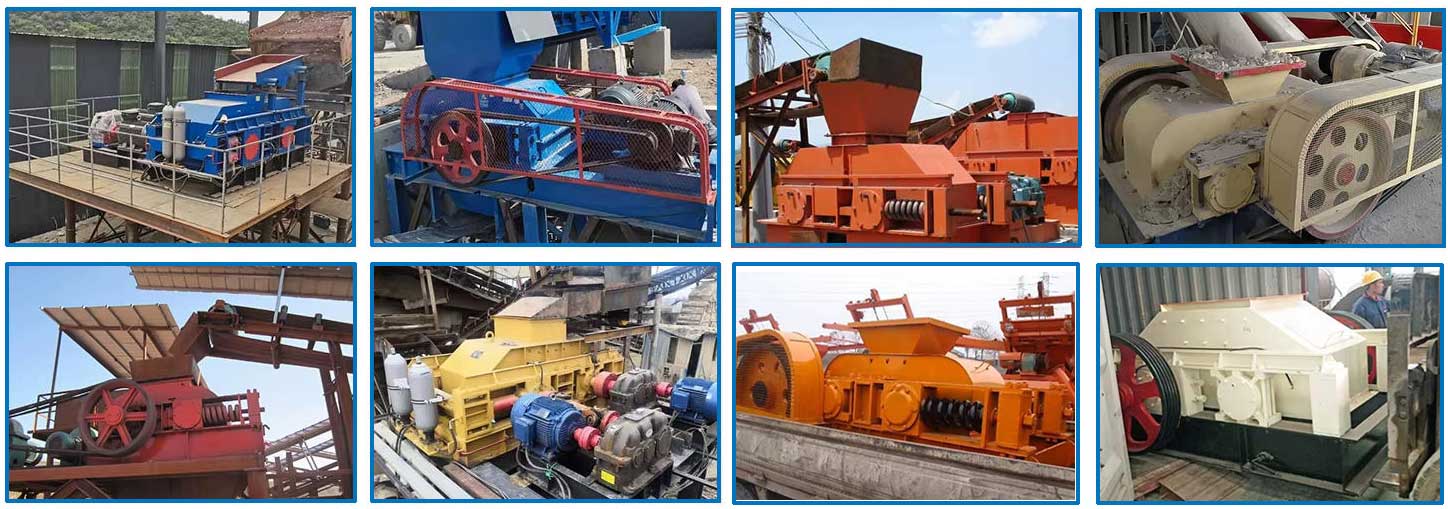
If you are looking for an efficient and reliable crushing solution, our roll crusher can help you achieve better performance and lower operating costs. Contact us today to get a customized solution for your project.
Roll Crusher FAQs
How to adjust the discharge size of a roll crusher?
The discharge size can be adjusted by changing the gap between the two rollers. This can be done mechanically or hydraulically depending on the machine design.
Does a roll crusher produce a lot of fines?
No. Compared with hammer crushers and impact crushers, roll crushers produce fewer fines because they use a compressive crushing method rather than high-speed impact.
How does roller speed affect the performance of a roll crusher?
Roller speed plays an important role in crushing efficiency and product size distribution. Higher speeds may increase capacity but can also lead to more fines. Lower speeds help produce more uniform particles with less over-crushing. Therefore, an optimal balance is required for stable operation.
Can a roll crusher handle wet or sticky materials?
A roll crusher can handle slightly wet or sticky materials better than some other crushers. However, excessive moisture may cause material buildup on the rollers, so proper feeding and maintenance are important.
How often should roll crusher rollers be replaced?
The service life of the rollers depends on the material hardness and operating conditions. For limestone applications, rollers typically have a long service life, but regular inspection is recommended to ensure consistent performance.