

Function: Finishing the lime slaking process.
Types: Banth lime slaker, continuous lime slaker, wet lime slaker (lime slurry), dry hydrator (hydrated lime powder), detention slaker, ball mill slaker, paste slaker.
Applications: Water treatment plants, wastewater treatment, pulp and paper industry, flue gas desulfurization (FGD), chemical processing, mining and metallurgy.
Quicklime Feed Capacity: 500 lb/hr(227 kg/h) to 5000 lb/hr(2268 kg/h).
What is Lime Slaker?
A lime slaker is a key piece of equipment in the hydrated lime plant used to convert quicklime(CaO) into hydrated lime slurry or hydrated lime powder. The reaction is finished through a controlled lime slaking process. The lime slaking system is widely applied in water treatment, pulp and paper, and flue gas desulfurization(FGD) systems, etc.
Through the lime slaking process, that is, by adding an appropriate amount of water to quicklime, a safer and more stable hydrated lime can be produced. The lime slaking process generally includes feeding, reaction, temperature control, impurity removal, and final discharge.
The lime slaker of AGICO Cement can absorb the exothermic reaction of calcium oxide and water, and is able to separate lime grit from the concentrated calcium hydroxide resulting from the slaking operation. So our lime slaking system is widely used for the high consumption lime industries. We offer lime slakers according to each customer’s consumption requirements and their lime specifications. Our lime slakers are all fully automated and come with various optional configurations to minimize the contact between operators and chemicals, and to prevent extensive maintenance due to lime scaling.


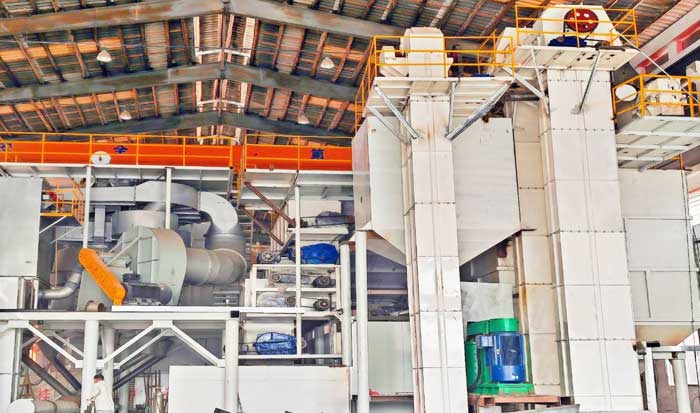
Types of Lime Slakers
Lime slakers can be classified based on different standards, including operation mode, output form, and system design. You can select the appropriate type of lime slaker depending on your project requirements, lime reactivity, capacity, and application conditions. We can customize various lime slaking systems for you.
By Operation Mode of Lime Slaker
Batch Lime Slaker
The batch slaking system is operated in cycles with a fixed batch of quicklime and water. It is designed to produce high-quality hydrated lime slurry from quicklime. The batch slaking system is not only for customers who require lower lime slurry dosing rates, but also for customers who require little maintenance for the hydrated lime plant. The advantages are as follows.
- Low dust and clean operation: The batch lime slaking system offers a cleaner and more maintenance-friendly solution. Quicklime is fed directly into a fully enclosed slaking chamber, significantly reducing dust emissions and minimizing the need for routine cleaning and housekeeping.
- Automatic self-cleaning system: To further simplify maintenance, the batch slaking system features an automatic rinse cycle after each batch.
- Temperature-controlled slaking process: The batch slaking system is designed based on a temperature-controlled slaking principle, which has proven to be a reliable method for producing consistent, high-quality hydrated lime.
- Consistent lime quality: Accurate temperature management also ensures uniform and fine particle size of the hydrated lime, improving reaction efficiency and reducing overall lime consumption and operating costs.
- Efficient grit removal design: A grit separation stage is positioned before slurry discharge. This design removes unreacted particles and impurities before pumping, eliminating the need for additional grit circulation loops and associated equipment.
- Reduced maintenance and operating cost: By preventing abrasive materials from recirculating through pumps and pipelines, the system minimizes wear and tear, extending equipment life and lowering long-term maintenance and replacement costs.


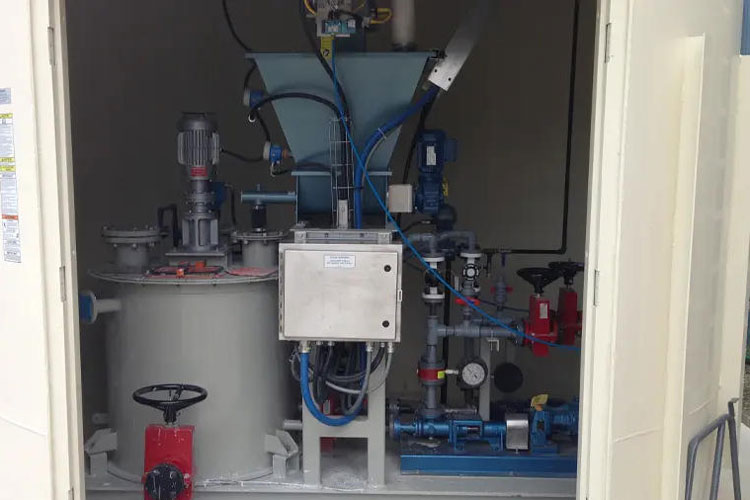
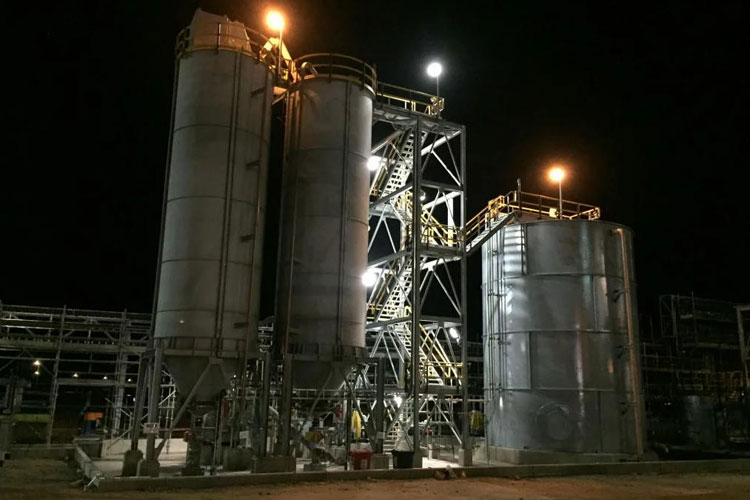
Continuous Lime Slaker
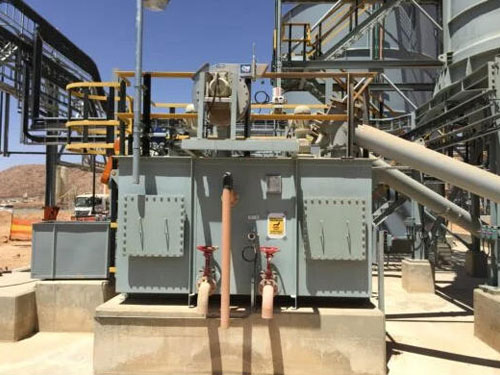
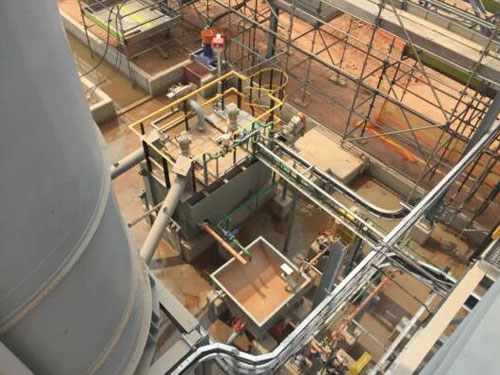
A continuous lime slaker is a slaking system where quicklime and water are continuously fed into a slaking chamber, and lime slurry is continuously discharged. The entire process is controlled automatically to maintain optimal temperature, water ratio, and retention time. Compared with a batch lime slaker, it provides stable operation, consistent output, and higher processing capacity, making it the preferred choice for large-scale industrial applications. The continuous lime slaker is widely used for lime slurry preparation systems, chemical dosing systems, flue gas desulfurization, water treatment, and so on.
Continuous Lime Slaker Features
- Continuous operation for large-scale production.
- Stable lime slurry quality.
- Automatic water and feed control.
- Temperature-controlled slaking process.
- Low maintenance and high reliability.
- Efficient grit removal system.

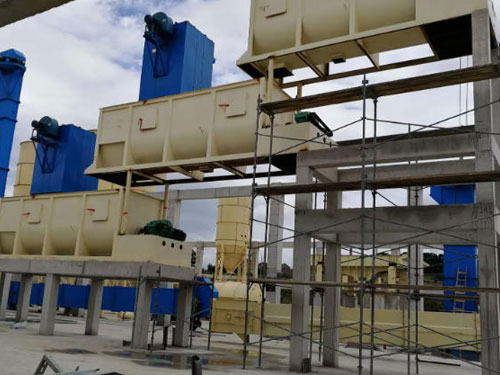
By System Design
Detention Slaker
A detention slaker is a continuous lime slaking system that completes the hydration process by controlling the retention time. The final product is lime slurry.
Its main advantages include a simple structure, stable operation, continuous production, low maintenance and capital cost, and proven technology. As a result, it is one of the most widely used lime slaking systems in industrial applications.
Key parameters
1. Retention Time
Typically: 5–30 minutes (depending on system design). The retention time determines whether the lime is fully hydrated or not.
2. Water-to-Lime Ratio
Usually, the ratio affects reaction efficiency and slurry concentration in the hydrated lime plant.
3. Temperature
The temperature directly influences the quality of the slaking reaction, generally speaking, the temperature ranges from 80°C to 100°C.
4. Lime Reactivity
High-reactivity lime is generally suitable for detention slakers. While low-reactivity lime is better handled by a ball mill lime slaker.

Ball Mill Slaker
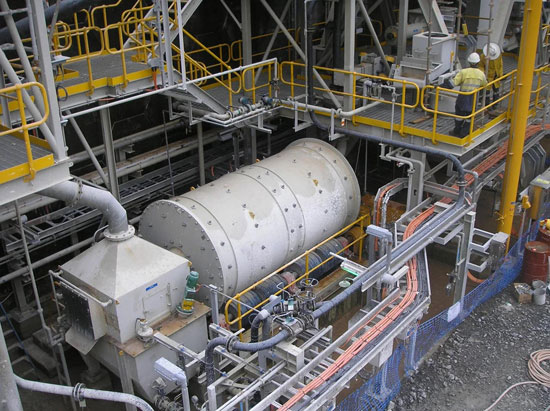
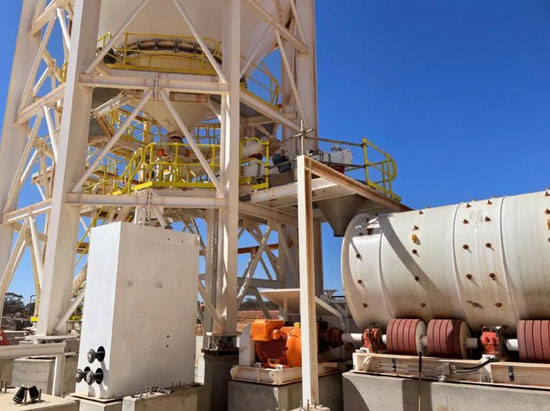
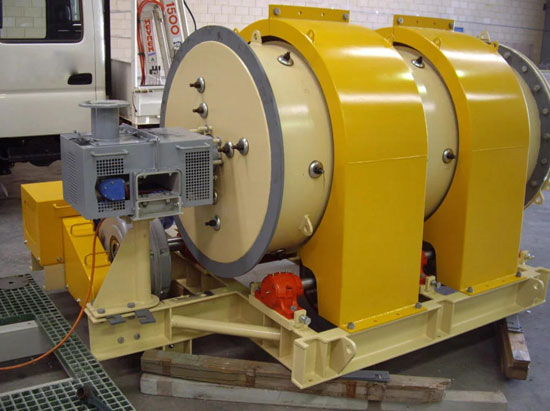
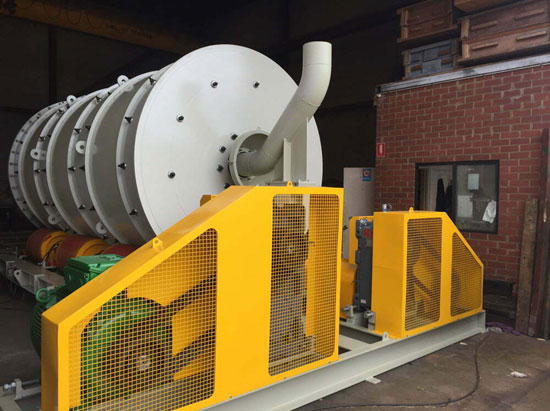
The ball mill slaker is a lime digestion equipment that combines the grinding and slaking processes. It is usually of a continuous type and is suitable for low-activity lime. Due to the fact that some lime has low activity, large particles, and many impurities, an ordinary detention slaker may not fully digest and produce a large amount of grit. The ball mill lime slaker can solve these problems. Therefore, low lime reactivity requires the use of a ball mill slaker. This ensures more thorough digestion, finer slurry, and more uniformity. However, the investment cost of the ball mill slaker is relatively high, and the wear of the steel balls will lead to more maintenance.
The working principle of the ball mill slaker is that quicklime enters the ball mill, and water is added simultaneously. In the lime slaker chamber, it is continuously crushed and ground by the steel balls. The particles are crushed, and at the same time, undergo hydration reactions, generating lime slurry, which is discharged and enters the subsequent grit removal system.


Paste Slaker
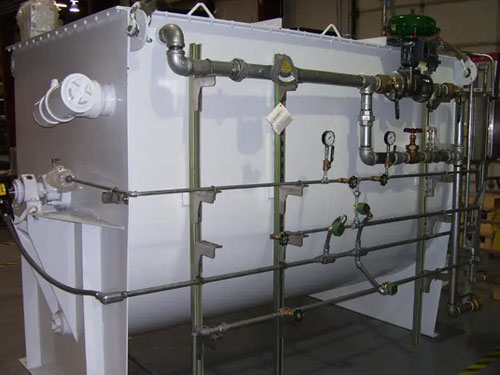
Paste lime slaker is a high-efficiency lime slaker with advanced lime slaking technology. The main difference from the other lime slakers is the low water ratio. After feeding the quicklime into the paste lime slaker, just add a little water to form lime paste through strong agitation, then output lime slurry. The paste lime slaker needs high requirements and cost.
The slaking process of the paste lime slaker contains feed system, precision water dosing, paste slaking, strong agitator, temperature control, dilution, and discharge lime slurry.
Main advantages:
- The highest slaking efficiency.
- High utilization rate of lime.
- Slurry is finer and more uniform.
- Almost no unreacted particles.
- Suitable for high-demanding processes.
- Occupies less space.


By Output Form
Wet Lime Slaker (Lime Slurry Production)
Produces lime slurry for applications such as water treatment, FGD systems, and chemical dosing.
Dry Hydrator (Hydrated Lime Powder Production)
Produces dry hydrated lime powder, typically used in construction, chemical processing, and material handling systems.
Lime Slaking Process
Quicklime is fed into the slaker via a screw feeder or conveyor. Precise water is added in a controlled ratio.
The reaction occurs inside the slaking chamber. Agitation ensures uniform mixing of quicklime and water, then monitors and controls the heat generated, and finally to complete hydration.
There are usually impurities that have not reacted. The lime slaker separates and discharges these grits through its grit removal system to ensure the purity of the product.
Final lime slurry is discharged to a storage tank or for further use.
Technical Specifications of Lime Slaker System
| Model | Quicklime Feed Capacity | Slurry Output | Water Consumption | Power | Slaking Tank Volume | Dimension (L×W×H) |
| LS-500 | 500 lb/hr (227 kg/h) | 2–4 m³/h | 0.5–1.0 m³/h | 7.5 kW | 1.5 m³ | 2500×1800×2200 mm |
| LS-1000 | 1000 lb/hr (454 kg/h) | 4–8 m³/h | 1–2 m³/h | 11 kW | 2.5 m³ | 3200×2000×2500 mm |
| LS-2000 | 2000 lb/hr (907 kg/h) | 8–15 m³/h | 2–4 m³/h | 18.5 kW | 4.0 m³ | 3800×2200×2800 mm |
| LS-3000 | 3000 lb/hr (1360 kg/h) | 15–25 m³/h | 4–6 m³/h | 30 kW | 6.0 m³ | 4500×2500×3200 mm |
| LS-5000 | 5000 lb/hr (2268 kg/h) | 25–40 m³/h | 6–10 m³/h | 45 kW | 8.5 m³ | 5200×2800×3500 mm |
Lime Slaking System Configuration
A complete lime slaking system is an integrated solution designed for continuous and automated operation. Proper control of water-to-lime ratio, temperature, and retention time is essential for achieving high slaking efficiency. The system can be customized based on capacity, automation level, and application requirements. A complete lime slaking system configuration is as follows:
- Quicklime Storage Silo.
- Weighing & Feeding System.
- Water Dosing Unit.
- Lime Slaker (Reactor Tank).
- Grit Removal System.
- Lime Slurry Storage Tank.
- PLC Control System.
Contact us today to get a customized solution tailored to your project requirements.
FAQ about Lime Slaking System
Q1: What is the difference between lime slaker and a hydrator?
A lime slaker typically produces lime slurry, while a hydrator produces dry hydrated lime powder.
Q2: What is the ideal water-to-lime ratio?
It depends on lime quality and system design, but typically ranges from 2:1 to 4:1.
Q3: Why is grit removal important?
Grit removal eliminates unreacted particles and impurities, ensuring better slurry quality and preventing equipment wear.
Q4: Can the system be fully automated?
Yes, our lime slaking system can be equipped with a PLC control system for fully automatic operation.
Q5: Is a lime slaker the same as a lime digester?
Generally speaking, a lime slaker is different from a lime digester. In some cases, a lime slaker with extended retention time is also referred to as a lime digester.
Q6: What capacity can a continuous lime slaker handle?
It can range from small units to large systems exceeding several thousand lb/hr.