
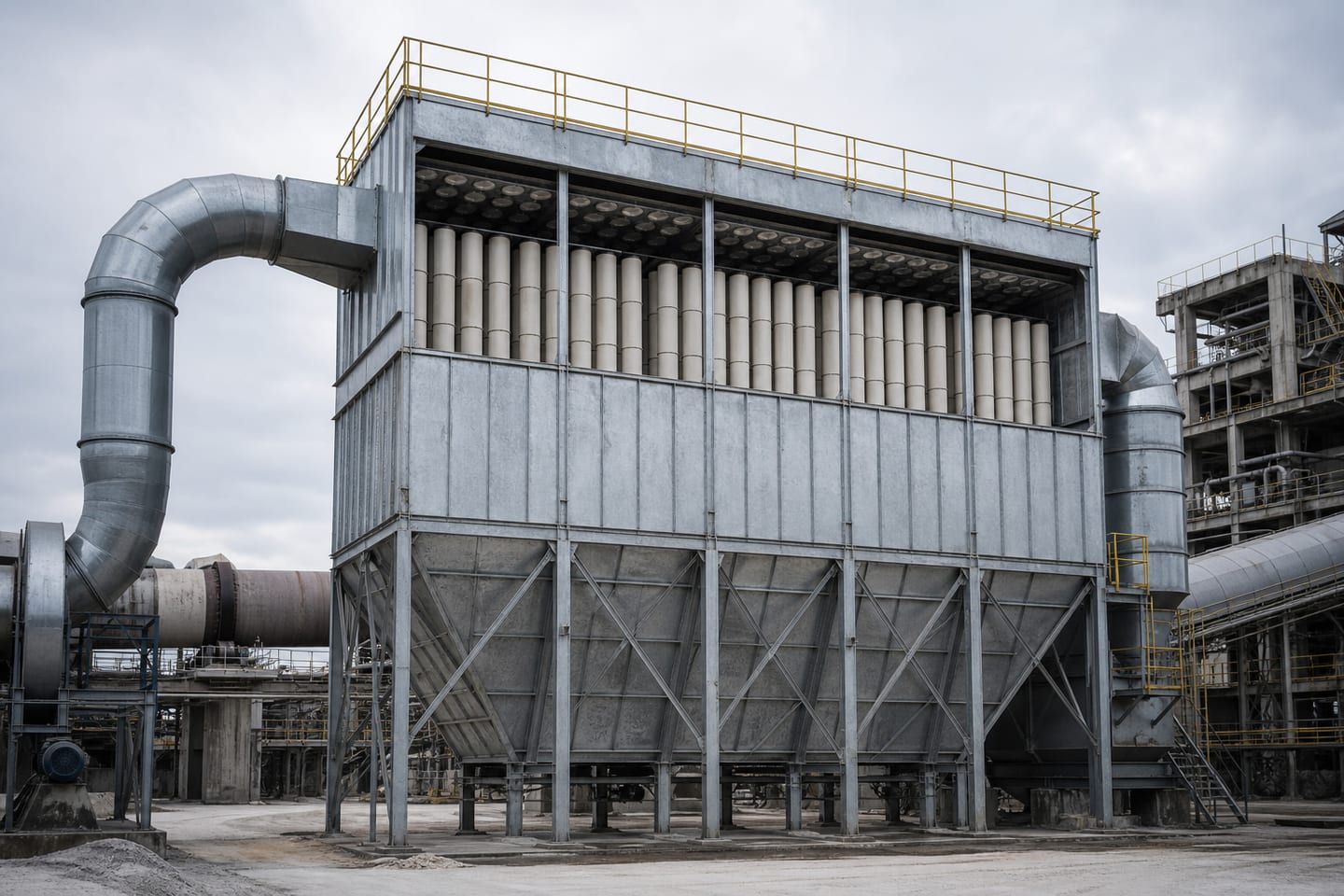
In every lime manufacturing plant, dust control is not an accessory — it is a production and compliance requirement. From the limestone crusher and the calcination kiln to the hydrated lime plant, grinding mills and storage silos, each process point releases fine alkaline dust that must be captured before it reaches the atmosphere or the working environment. The dust collector bag — the replaceable fabric filter element inside every baghouse — is the component that determines whether that capture is efficient, durable and cost-effective.
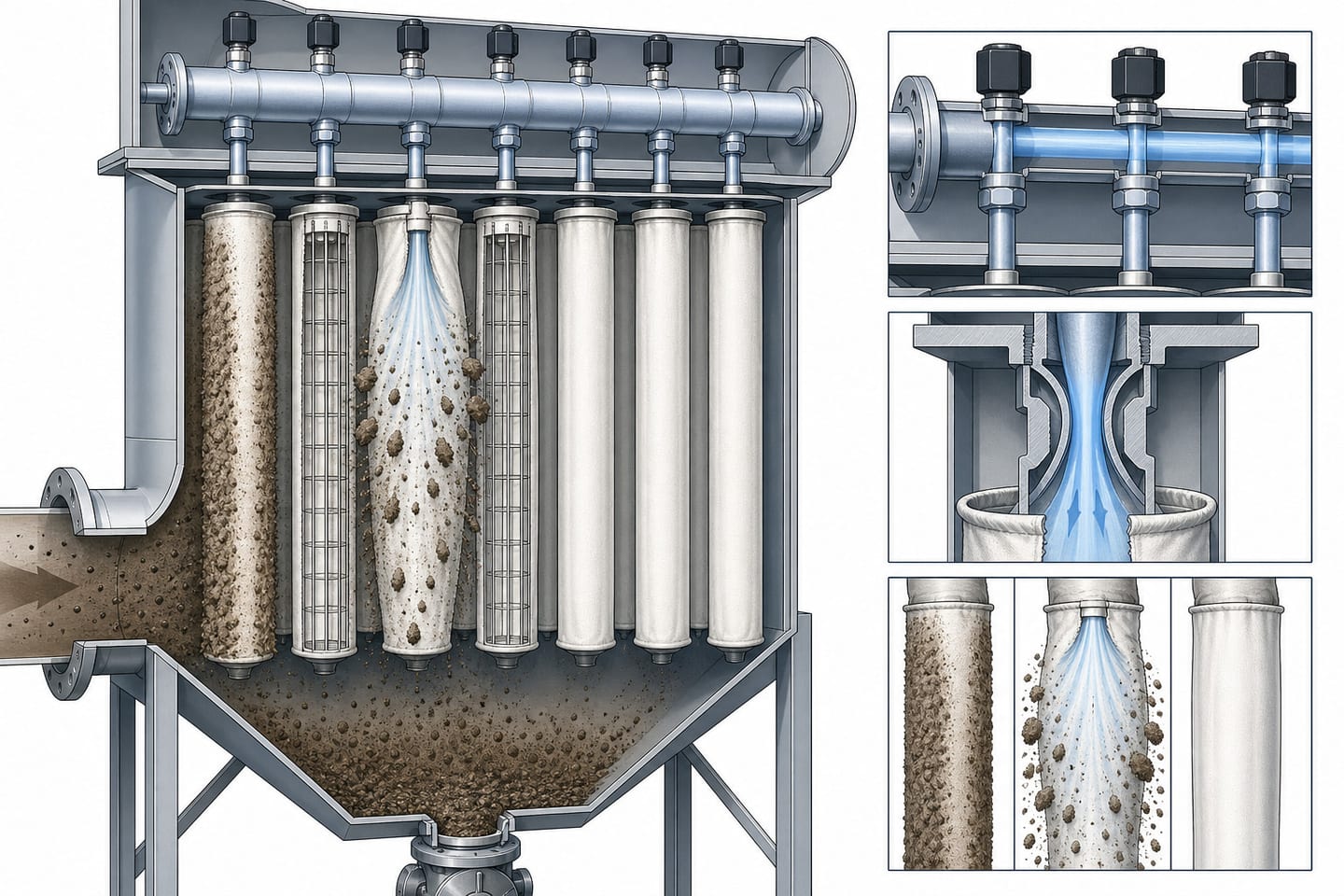
AGICO Cement supplies dust collector bags and complete filter media solutions engineered for the specific temperatures, gas chemistry and abrasion loads found in lime production. Bags are matched to the plant engineering standards of our vertical shaft lime kilns, rotary kilns, lime calcination plants and hydrated lime plants, so replacement media and the dust collector itself are designed as one system. A pulse-jet baghouse with rows of filter bags is the standard dust-control solution across lime production.
What We Are Dedicated To
AGICO Cement has served the lime and cement industries for more than 20 years, delivering vertical shaft lime kilns, rotary lime kilns, complete lime production lines and the auxiliary equipment around them. Our engineering team designs baghouse systems, selects filter media and sizes pulse-jet cleaning parameters from actual plant gas data, then supplies matched dust collector bags for both new projects and retrofit replacements.
Every filter bag we supply is documented with its media construction, temperature limit, permeability and dimensional drawing, and each order can be shipped with spare bags, cages, venturis and gaskets so plants keep their emission guarantee without long shutdowns.
20+ years
Lime and cement industry service
99%+
Collection efficiency with correct selection
Custom
Media, dimensions, cages and venturis
Why Filter Bag Selection Matters in Lime Production
High-Temperature Media for Kiln Exhaust
Lime kiln exhaust gas can exceed 180–260 °C at the dust collector inlet depending on the cooling configuration. Standard polyester bags fail quickly in this range, so kiln dedusting points require heat-resistant media such as PPS, P84, treated fiberglass or PTFE. AGICO Cement selects media against the actual temperature profile of the kiln and its preheater, not against an average rating, to avoid both thermal damage and unnecessary cost.
Corrosion and Alkali Resistance
Lime dust is strongly alkaline, and fuel gas from coal, coke-oven gas or calcium carbide tail gas can carry SOx and moisture that form acid condensate at dew point. The wrong fabric is either attacked by alkali or corroded by acid over one or two years. PTFE membranes and PPS felts offer the best balance for corrosive streams, while polyester remains economical for clean, low-temperature duty.
Collection Efficiency above 99%
A correctly selected and maintained baghouse is one of the most efficient dust collectors available, with particulate collection efficiency of 99% or better even for very fine particles. The dust cake formed on the fabric surface does part of the filtration, which is why stable pulse-jet cleaning and a consistent bag surface matter as much as the media grade itself.
Long Service Life and Lower Operating Cost
Replacing bags is one of the largest recurring maintenance costs in a lime plant. Media chosen for the real gas temperature, chemistry and abrasion load — with a proper pre-coat and controlled cleaning intervals — routinely lasts several years instead of months. Lower differential pressure also cuts fan energy, so the right bag pays back through both maintenance and electricity.
Applications in the Lime Plant
Kiln Exhaust Dedusting
Vertical shaft lime kilns and rotary lime kilns are the highest-temperature dust sources in the plant. Heat-resistant bags capture the dust leaving the kiln and preheater, protecting downstream equipment and meeting emission limits. Our twin shaft lime kiln and lime calcination plant pages show how the collector is integrated with the kiln system.
Hydrated Lime Production
The slaking, classification, grinding and packing stages of a hydrated lime plant produce fine, highly reactive calcium hydroxide dust. Bag filters at the slaker vent, classifier and packing machines keep the working environment safe and recover product. See the equipment list on our hydrated lime plant page.
Crushing, Grinding and Screening
Limestone crushers, ball mills, vertical grinding mills and vibrating screens generate coarse and fine dust at every transfer point. Durable bags at these points handle abrasive dust with heavy loading, and properly sized hoppers return the collected material directly to the process.
Storage Silos and Conveying
Lime and limestone storage silos vent air during filling and discharging, and pneumatic conveying systems need filter protection at their receiving points. Compact pulse-jet collectors with cartridge or bag filters keep silo vents clean and prevent pressure buildup.
Media Selection Data
Technical Parameters of Filter Bag Media
The operating envelope changes with fabric construction, finishing and manufacturer testing. Final temperature, chemical resistance and permeability must be confirmed before purchase.
| Filter Media | Max Continuous Temp (°C) | Acid Resistance | Alkali Resistance | Typical Lime-Plant Use |
|---|---|---|---|---|
| Polyester (PET) felt | 150 | Moderate | Good | Low-temperature points; conveying, packing |
| PPS (polyphenylene sulfide) | 190 | Excellent | Moderate | Kiln exhaust with SOx; fuel gas |
| Nomex (meta-aramid) | 200 | Moderate | Poor | Hot process gas without strong acids |
| P84 (polyimide) | 260 | Good | Moderate | High-temperature kiln gas, fine dust |
| PTFE membrane on scrim | 260 | Excellent | Excellent | Corrosive or sticky gas; ultra-fine dust |
| Fiberglass (treated) | 260 | Moderate | Moderate | Very hot kiln gas where fabric strength matters |
Reference note: Table values are reference figures for media selection and may vary with fabric construction, finishing and manufacturer testing. Confirm the final temperature, chemical and permeability data against the media supplier before purchase.
High Temperature
PPS, P84, fiberglass and PTFE
Chemical Resistance
Acid, alkali and dew-point review
99%+ Efficiency
Stable fine-particle capture
Longer Service Life
Lower maintenance and fan energy
Selection Checklist
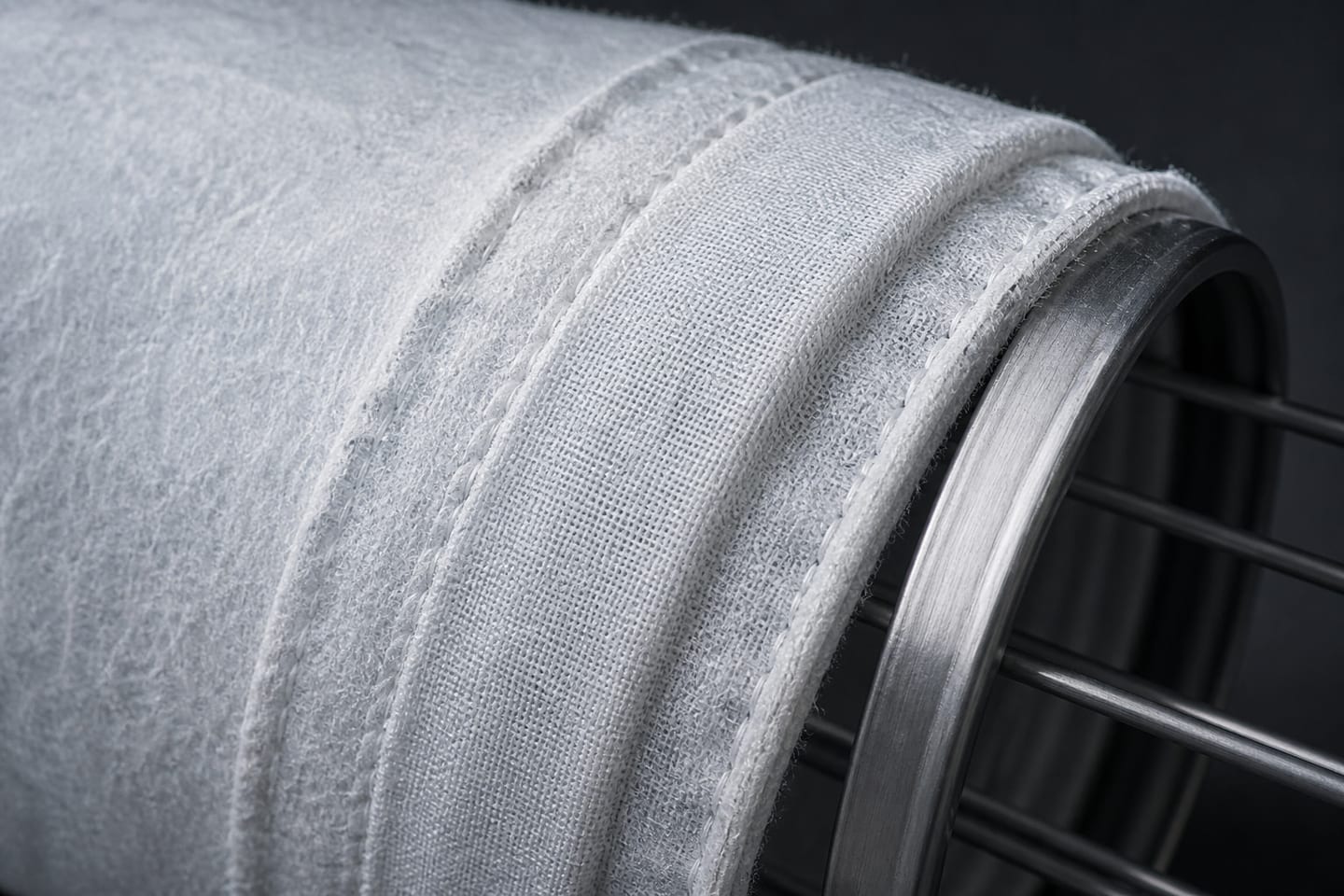
How to Choose Dust Collector Bags
Gas Temperature
Gas temperature at the baghouse inlet, including peaks during start-up and upset conditions.
Gas Chemistry
Gas chemistry: moisture, SOx, alkali dust and dew-point risk for acid condensation.
Dust Characteristics
Dust characteristics: particle size, abrasiveness, stickiness and whether it must be recovered.
Baghouse Operation
Cleaning method and air-to-cloth ratio of the existing or planned baghouse.
Dimensions & Installation
Bag dimensions, cage type, top/bottom construction and installation method.
AGICO Cement can run a media selection review from your plant data sheet and provide a documented recommendation with bag drawings, expected differential pressure and estimated service life.
Element-Type Decision
Filter Bags vs Cartridge Filters
For many lime-plant duties, cylindrical filter bags remain the most economical and robust choice because they tolerate higher dust loads and are cheaper to replace than pleated cartridges. Pleated cartridges provide more filter area per unit volume and suit compact collectors with lower dust loading, such as silo vents. We match the element type to the duty: bags for kiln, slaker and grinding-point collection; cartridges where space is tight and loading is light.
Filter Bags
• Robust for kiln, slaker and grinding-point collection.
• Tolerate higher dust loads.
• Economical replacement for demanding duty.
Cartridge Filters
• More filter area per unit volume.
• Suitable for compact collectors.
• Best where dust loading is lighter, such as silo vents.
From Design to Replacement
Lifecycle Service and Quality Assurance
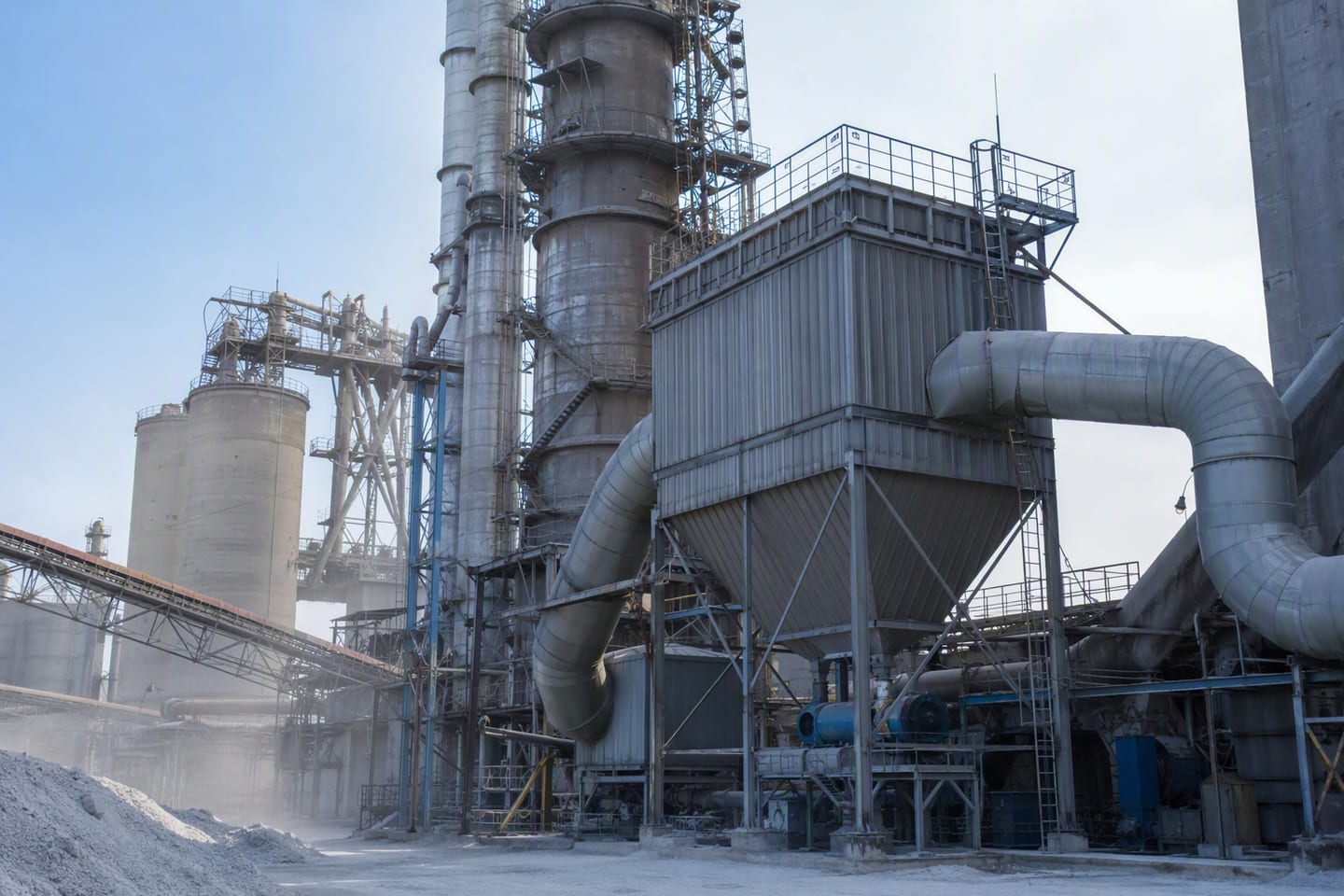
AGICO Cement supports dust collection from design to replacement: media selection, baghouse sizing, installation supervision, spare-bag kits, cage and venturi supply, and commissioning verification. Our manufacturing quality system follows ISO 9001 principles, and every bag batch is inspected for seam strength, permeability and dimensional tolerance before shipment. The same service discipline that supports our complete lime production lines applies to every filter component.
Documented Selection
Media construction, temperature, permeability and drawings.
Batch Inspection
Seam strength, permeability and dimensional tolerance.
Coordinated Spares
Bags, cages, venturis, gaskets and pulse-valve parts.
Plant Integration
New projects and exact retrofit replacement support.
Long-Term Plant Performance
Environmental Responsibility and Reliable Operation
Environmental Responsibility
Efficient dust collection directly supports the environmental profile of a lime plant: lower particulate emissions, recovered product instead of lost material, and reduced fan energy through lower differential pressure. Choosing durable, correctly specified bags also cuts waste from premature replacement. For an overview of dust collector fundamentals and baghouse operating principles, the Wikipedia articles on dust collectors and baghouses provide useful background.
Reduce Replacement Frequency
Control cleaning intervals with differential-pressure-based on-demand cleaning, pre-coat new bags, keep gas temperature above dew point, and fix leaking compartments promptly. We can audit these parameters during commissioning or a maintenance visit.
FAQ about Dust Collector Bags
With correct media selection, stable cleaning and a pre-coat program, bags typically serve several years. Kiln-exhaust bags face the harshest duty; silo-vent and packing-point bags last longest. AGICO Cement quotes an expected life range with every selection.
For hot, SOx-bearing kiln gas, PPS, P84, treated fiberglass or PTFE-coated media are common choices depending on peak temperature and acid load. The selection must be based on your actual gas analysis and temperature profile.
Yes. Provide the bag dimensions, cage size, tube sheet layout, cleaning system and gas data, and we supply exact replacements or a retrofit recommendation.
Yes. Bags are supplied with matching cages, venturis, gaskets and pulse-valve parts so the complete filter set is replaced in one coordinated order.
Control cleaning intervals with differential-pressure-based on-demand cleaning, pre-coat new bags, keep gas temperature above dew point, and fix leaking compartments promptly. We can audit these parameters during commissioning or a maintenance visit.