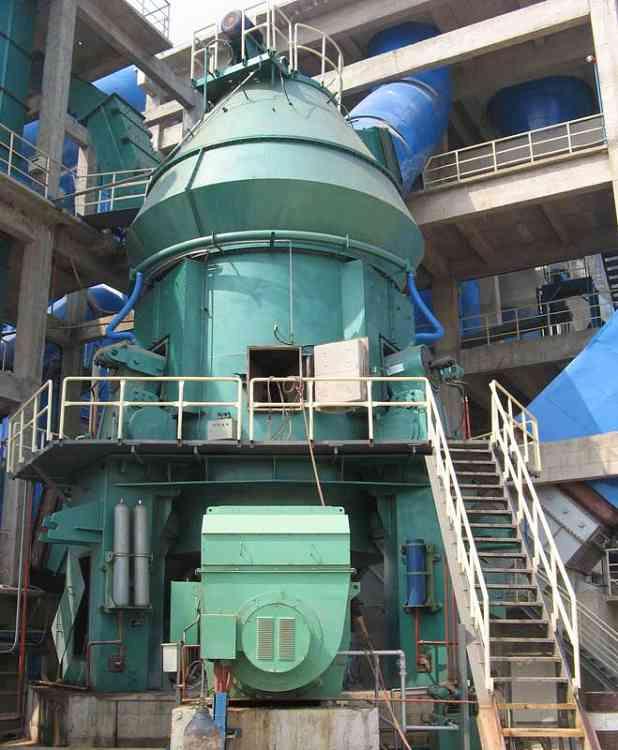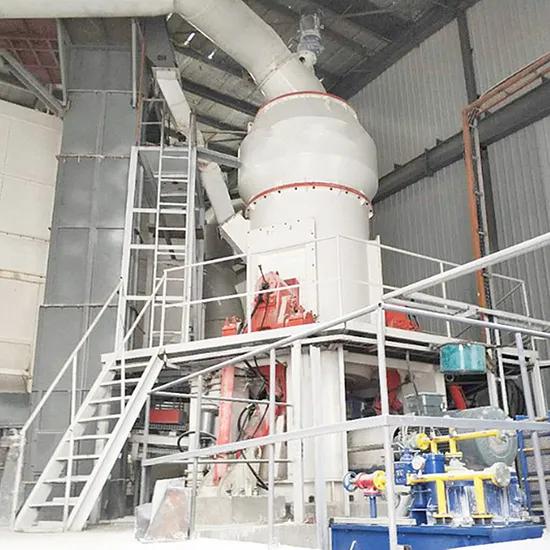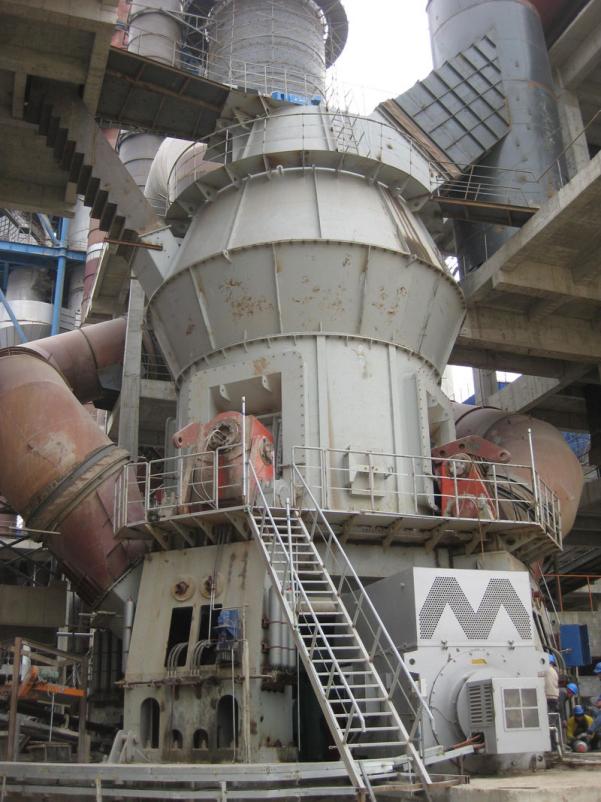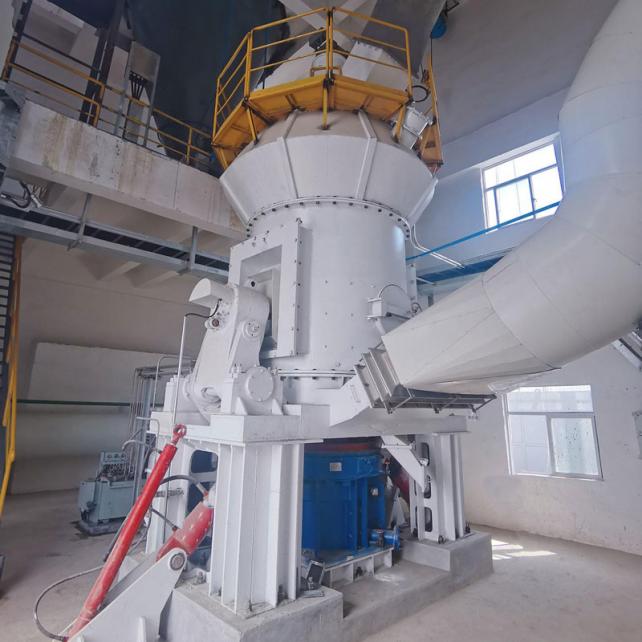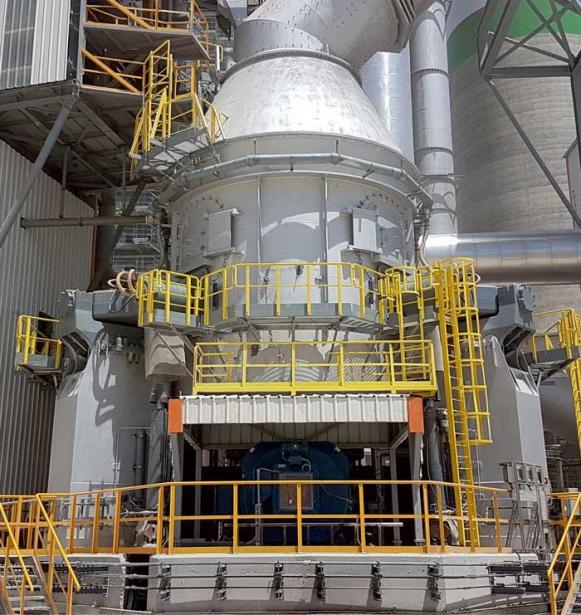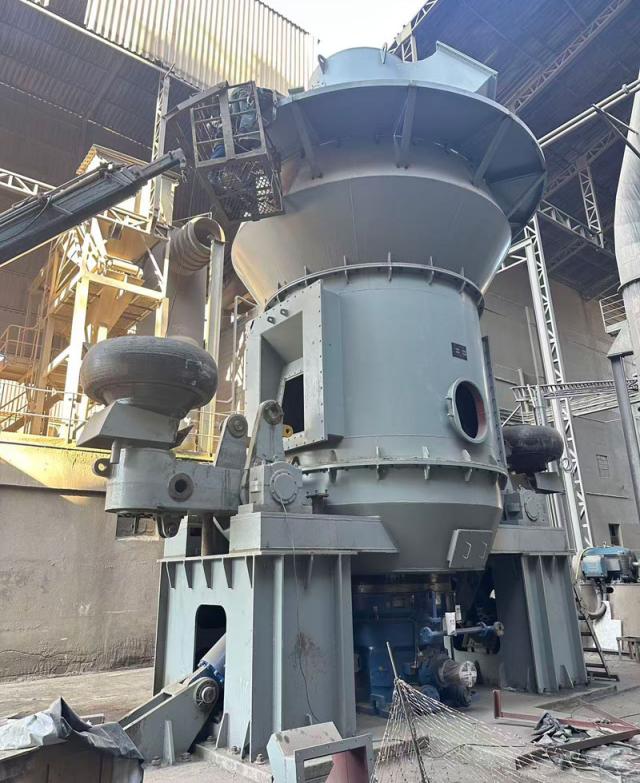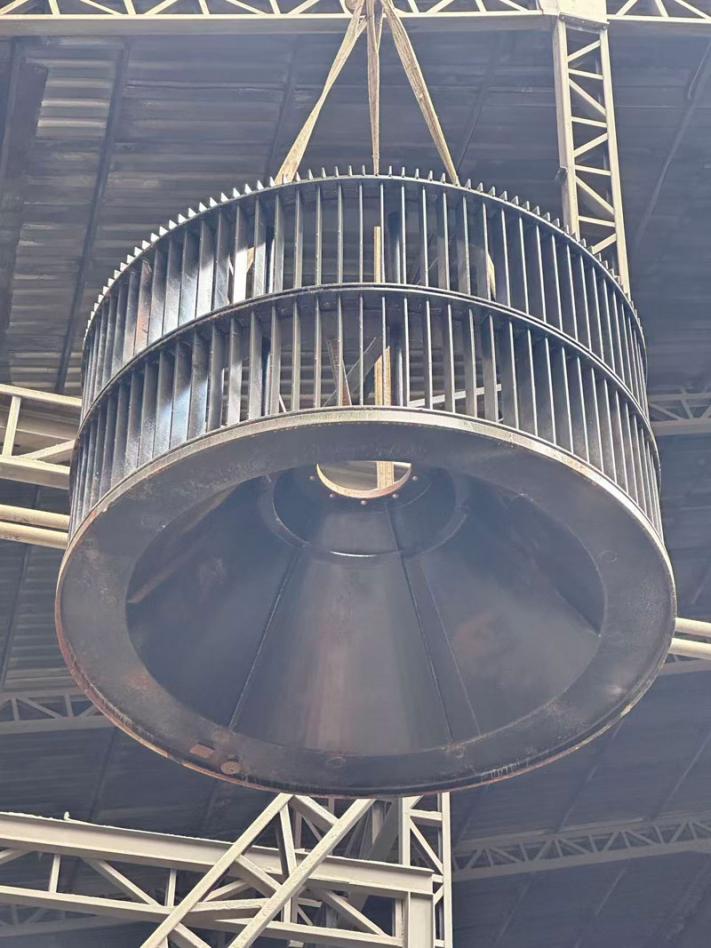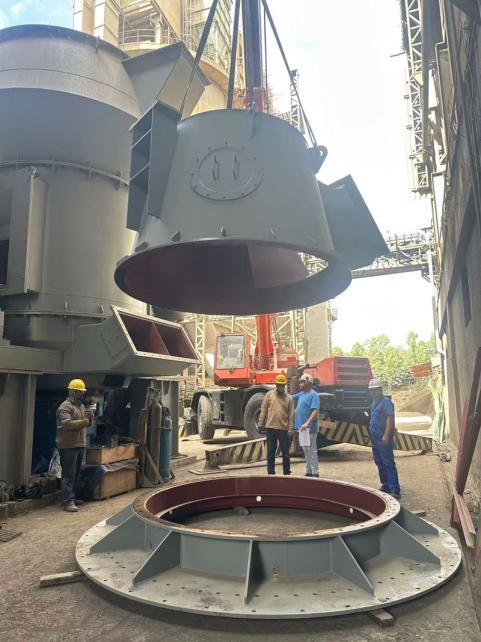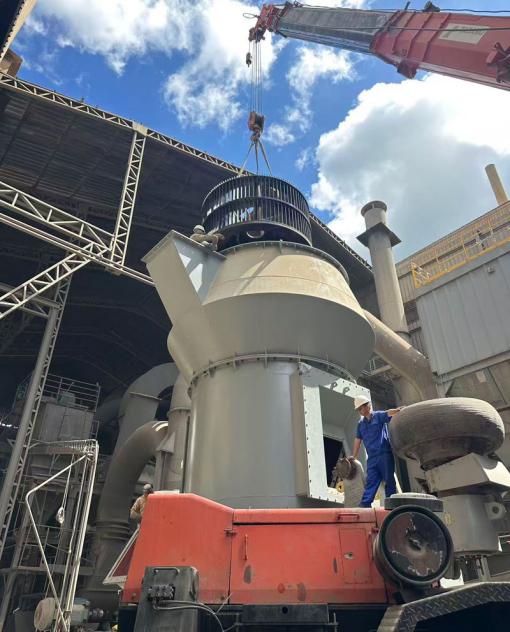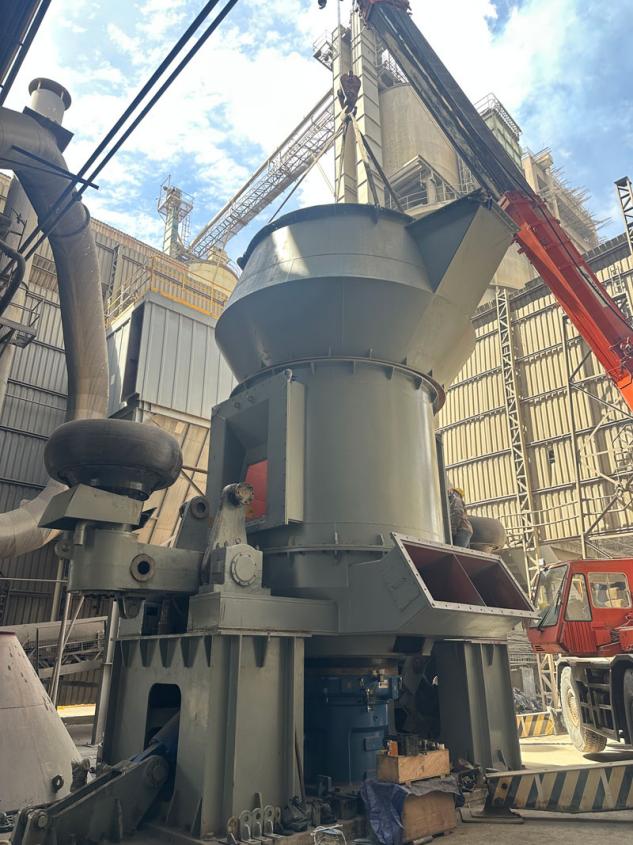
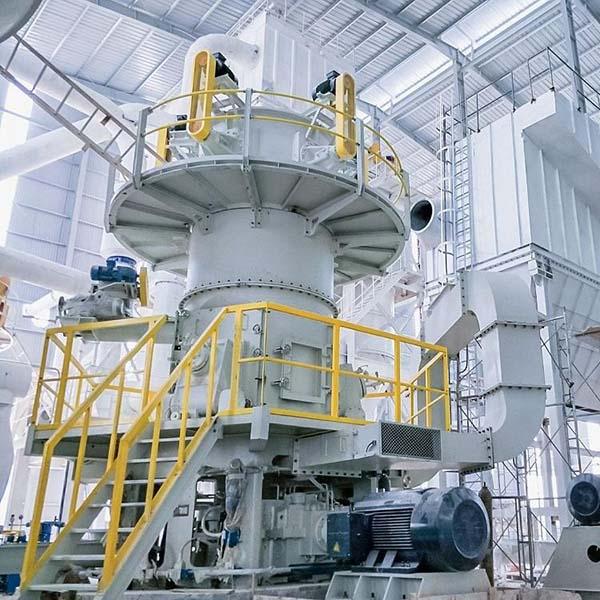
VERTICAL LIMESTONE GRINDING SOLUTION
Product Overview
- Feed Size: ≤50mm
- Processing Capacity:10–290 t/h
- Applicable materials: Limestone, calcite, dolomite, gypsum, marble, barite, and other non-metallic minerals.
- Features: High Efficiency& Large Capacity. Low Energy Consumption. Integrated Design Compact Structure. Stable Operation & Reliable Performance. Environmentally Friendly
Vertical Grinding Mill for Limestone Powder Processing
Producing high-quality limestone powder requires more than just a powerful grinder. It demands a milling system that delivers consistent fineness, stable capacity, and low operating costs. A vertical grinding mill is designed to meet these requirements by combining grinding, drying, and powder classification into one compact system. Compared with traditional milling equipment, it offers higher efficiency, lower energy consumption, and a smaller installation footprint, making it an ideal choice for modern limestone processing plants.
As an advanced limestone mill, the vertical grinding mill machine is widely used to process limestone, calcite, dolomite, petroleum coal, gypsum, barite, marble, talc, coal powder, etc. Depending on the production requirements, it can produce finished powder ranging from coarse particles to fine powders suitable for lime production, building materials, chemical processing, flue gas desulfurization (FGD), and other industrial applications.
Why Choose a Vertical Grinding Mill for Limestone?
Limestone is one of the most widely used industrial minerals, and the quality of the finished powder directly affects the performance of downstream products. Whether the powder is used in lime production, construction materials, flue gas desulfurization (FGD), chemical processing, or other industrial applications, manufacturers need a grinding system that delivers consistent particle size, stable output, and economical operating costs. A vertical grinding mill has become the preferred solution because it combines high production efficiency with reliable long-term performance.
High Grinding Efficiency
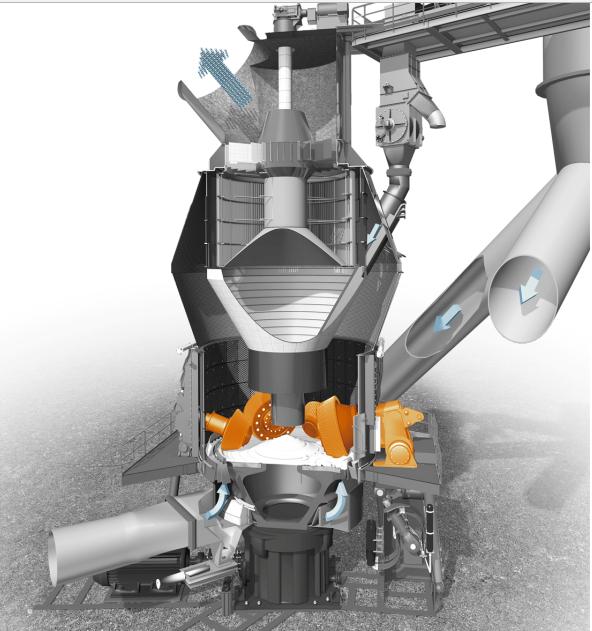
Unlike conventional grinding equipment that relies on impact or rolling inside a rotating drum, a vertical limestone mill uses grinding rollers to compress the material against a rotating grinding table. This material-bed grinding principle generates high grinding pressure while minimizing unnecessary energy loss.
As the material remains inside the grinding chamber until it reaches the required fineness, the grinding process is more efficient and produces a uniform particle size distribution. This makes the vertical grinding mill particularly suitable for continuous limestone powder production with stable quality requirements.
Lower Energy Consumption
Energy costs account for a significant portion of limestone processing expenses. Improving grinding efficiency while reducing power consumption has become a priority for many manufacturers.
Compared with traditional ball mills, a vertical grinding mill generally consumes less energy per ton of finished product because grinding, drying, and classification are completed within a single integrated system. The optimized grinding mechanism reduces unnecessary material circulation, while the high-efficiency classifier returns oversized particles for further grinding automatically.
Lower power consumption not only reduces production costs but also improves the overall economic performance of the limestone grinding plant.
Integrated Grinding, Drying and Classification
One of the biggest advantages of a vertical grinding system is its ability to perform multiple processes simultaneously.
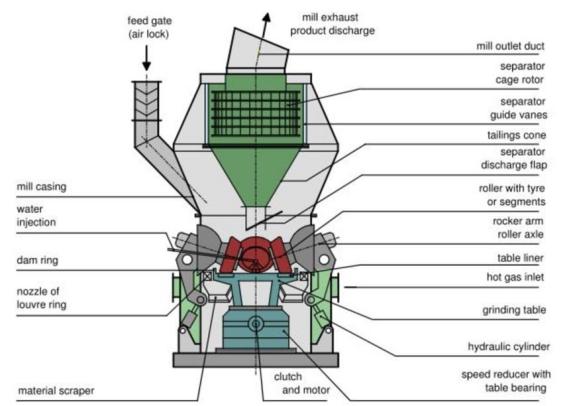
Inside the mill, hot air enters the grinding chamber and removes moisture from the raw material during the grinding process. At the same time, the airflow carries fine particles upward to the built-in classifier, where qualified powder is separated from coarse material.
This integrated design eliminates the need for several independent machines, resulting in simplified process flow, reduced equipment investment, less installation space, lower maintenance requirements and higher production efficiency.
For limestone with moderate moisture content, this combined grinding and drying capability provides a significant advantage over conventional milling equipment.
Consistent Product Fineness
Many industrial applications require limestone powder with stable particle size and narrow size distribution. Variations in powder fineness can affect product quality, production efficiency, and downstream processing.
A modern vertical grinding mill is equipped with an efficient dynamic classifier that continuously controls the final product fineness. Fine particles meeting the required specifications are collected immediately, while oversized particles are automatically returned to the grinding zone.
This closed-loop grinding process ensures stable product quality and allows the mill to produce different powder fineness according to customer requirements.
High Capacity for Continuous Production
As market demand increases, many limestone processing plants require equipment capable of operating continuously with high throughput.
The vertical grinding mill is designed for medium- and large-scale production. Its stable mechanical structure, optimized material flow, and continuous grinding process enable reliable operation over extended periods while maintaining consistent production capacity.
Whether supplying limestone powder for quicklime plants, hydrated lime production, or industrial mineral processing, the system provides dependable performance for long-term operation.
Compact Layout and Easier Maintenance
Compared with traditional grinding systems that require multiple pieces of equipment connected by conveyors and elevators, a vertical limestone mill integrates several functions into one compact machine.
The smaller installation footprint reduces civil construction costs and makes it easier to incorporate the mill into new production lines or existing limestone processing plants.
Routine maintenance is also more convenient. Wear parts such as grinding rollers and grinding table liners are designed for replacement without completely dismantling the machine, helping reduce maintenance downtime and improve equipment availability.
Intelligent Automation and Stable Operation
Modern vertical grinding mills are typically equipped with PLC-based control systems that monitor key operating parameters such as grinding pressure, separator speed, airflow, temperature, and material feed rate.
The automatic control system continuously adjusts the operating conditions to maintain stable production, improve grinding efficiency, and protect critical components from abnormal operating conditions.
Real-time monitoring also simplifies equipment management and helps operators maintain consistent product quality with minimal manual intervention.
Suitable for Various Limestone Grinding Applications
A vertical grinding mill is not limited to ordinary limestone powder production. By adjusting the grinding parameters and classifier settings, the system can process different limestone grades and produce powders suitable for a wide range of industrial applications. Typical applications include:
- Lime production plants.
- Hydrated lime plants.
- Building materials.
- Desulfurization (FGD) systems.
- Glass manufacturing.
- Chemical processing.
- Steel and metallurgical industries.
- Non-metallic mineral powder processing.
Its flexibility allows manufacturers to respond to changing market requirements without replacing the entire grinding system.
For companies seeking higher productivity, lower operating costs, and consistent powder quality, a vertical grinding mill offers a practical and proven solution. Its combination of efficient grinding, integrated drying, intelligent classification, and automated control makes it one of the most reliable choices for modern limestone milling operations.
Whether you are building a new limestone powder production line or upgrading an existing grinding system, investing in a high-performance vertical limestone mill can improve production efficiency while reducing long-term operating costs.
How Does a Vertical Grinding Mill Work?
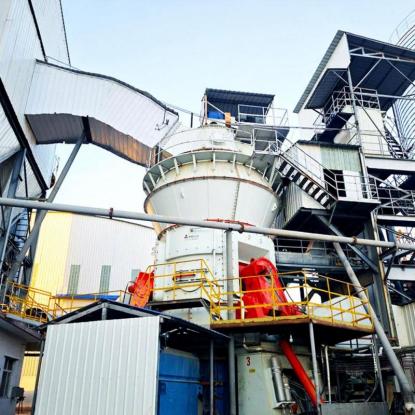
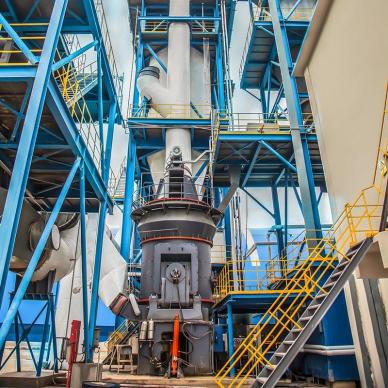
The vertical grinding process uses grinding rollers to apply pressure to a rotating grinding table, allowing the material to be crushed and ground efficiently. Hot air is introduced into the mill to dry materials with moderate moisture content while carrying the ground particles to the integrated classifier. Qualified powder is collected as the final product, while oversized particles are automatically returned for further grinding. This continuous process ensures high grinding efficiency and consistent particle size distribution.
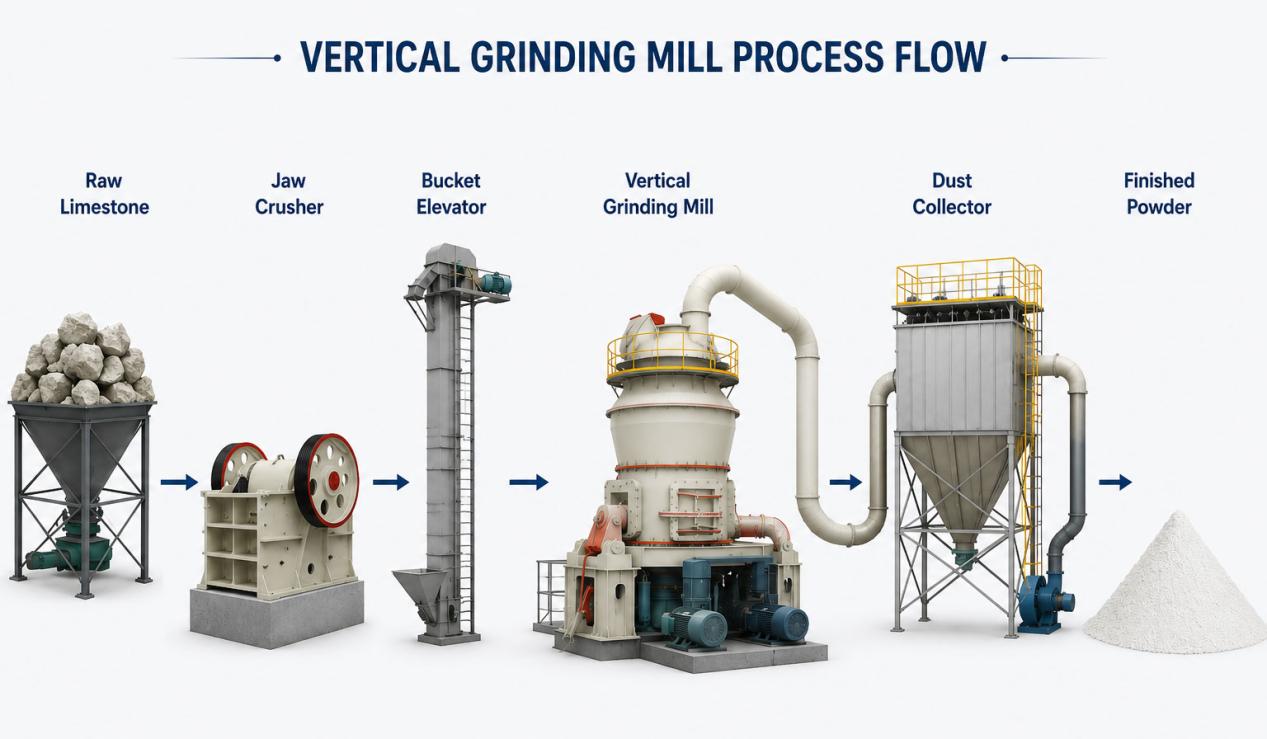
Compared with a conventional Raymond mill or ball mill, a vertical limestone mill provides greater throughput, lower power consumption per ton, and higher automation. It is particularly suitable for medium- and large-scale limestone powder production lines where continuous operation and stable product quality are essential. For customers planning a complete lime processing plant, the vertical mill can be integrated with crushers, conveyors, storage silos, dust collection systems, and other auxiliary equipment to create an efficient and reliable grinding solution.
Although this equipment is commonly referred to as a vertical grinding mill in limestone processing, similar grinding technology is also used as a vertical raw mill in cement plants to prepare raw meal before calcination. Its proven design, reliable performance, and broad application range have made it one of the most widely adopted grinding solutions in the mining, cement, metallurgy, and lime industries worldwide.
Why Choose AGICO Cement?
Turnkey EPC solutions
Customized engineering design
Professional installation guidance
Overseas project experience
Strong technical support
Reliable after-sales service
CE and ISO quality standards
Vertical Grinding Mill Specifications
| Model | Grinding disc diameter(mm) | Roller diameter(mm) | Feeding size(mm) | Production capacity(t/h) | Main motor power(Kw) | Disc rotation speed (r/min) | Weight (t) |
|---|---|---|---|---|---|---|---|
| LM0806 | 800 | 600 | ≤30 | 3-5 | 75 | 62 | 13.8 |
| LM1311 | 1300 | 1100 | ≤40 | 9-15 | 200 | 43 | 46.5 |
| LM1512 | 1500 | 1250 | ≤40 | 10-19 | 280 | 43 | 65 |
| LM1714 | 1700 | 1400 | ≤42 | 13-32 | 400 | 40 | 90 |
| LM2215 | 2250 | 1560 | ≤50 | 25-45 | 800 | 32 | 120 |
| LM2820 | 2800 | 2000 | ≤65 | 35-80 | 960 | 32 | 200 |
| LM3424 | 3450 | 2400 | ≤70 | 60-100 | 1350 | 30 | 300 |
| LM4831 | 4800 | 3150 | ≤115 | 92-200 | 3150 | 26 | 760 |
| HRM1411 | 1400 | 1185 | ≤35 | 10-15 | 225 | 37.96 | 49 |
| HRM1612 | 1600 | 1200 | ≤40 | 12-20 | 280 | 36.16 | 65 |
| HRM1813 | 1800 | 1300 | ≤45 | 16-28 | 350 | 34 | 78 |
| HRM2115 | 2100 | 1500 | ≤50 | 20-35 | 400 | 31.6 | 87 |
| HRM2215 | 2250 | 1570 | ≤60 | 25-35 | 500 | 31 | 92 |
| HRM2417 | 2450 | 1750 | ≤70 | 28-40 | 630 | 29.5 | 114 |
| HRM2619 | 2650 | 1900 | ≤75 | 35-55 | 710 | 28.1 | 132 |
| HRM3123 | 3150 | 2300 | ≤80 | 40-80 | 1120 | 25 | 210 |
| HRM3424 | 3450 | 2430 | ≤80 | 52-85 | 1300 | 24.5 | 310 |
| HRM3626 | 3600 | 2650 | ≤80 | 60-100 | 1950 | 24 | 450 |
| HRM4028 | 4000 | 2850 | ≤90 | 70-115 | 3100 | 22.9 | 600 |
| HRM4230 | 4250 | 3050 | ≤100 | 85-160 | 3400 | 22.18 | 680 |
| HRM4531 | 4500 | 3150 | ≤110 | 95-200 | 3600 | 21.5 | 750 |
Different Types of Vertical Grinding Mills
Vertical grinding mills are available in several configurations to suit different materials and production requirements. Although they share the same basic working principle, each type is specially designed to optimize grinding efficiency, product quality, and equipment durability for specific applications. Key components such as grinding rollers, table liners, classifier systems, hot air circulation, and wear-resistant materials are customized according to the characteristics of the processed material.
Vertical Raw Mill
A Vertical Raw Mill is primarily used in cement plants to grind raw materials such as limestone, clay, silica, iron ore, and other additives into fine raw meal before calcination. Since the raw materials often contain moisture, the mill integrates grinding, drying, and classification in a single unit. High grinding efficiency and stable raw meal quality are essential for maintaining consistent kiln operation and clinker quality. Typical materials: limestone, clay, iron ore, silica sand, bauxite. Main application: Cement raw meal preparation.
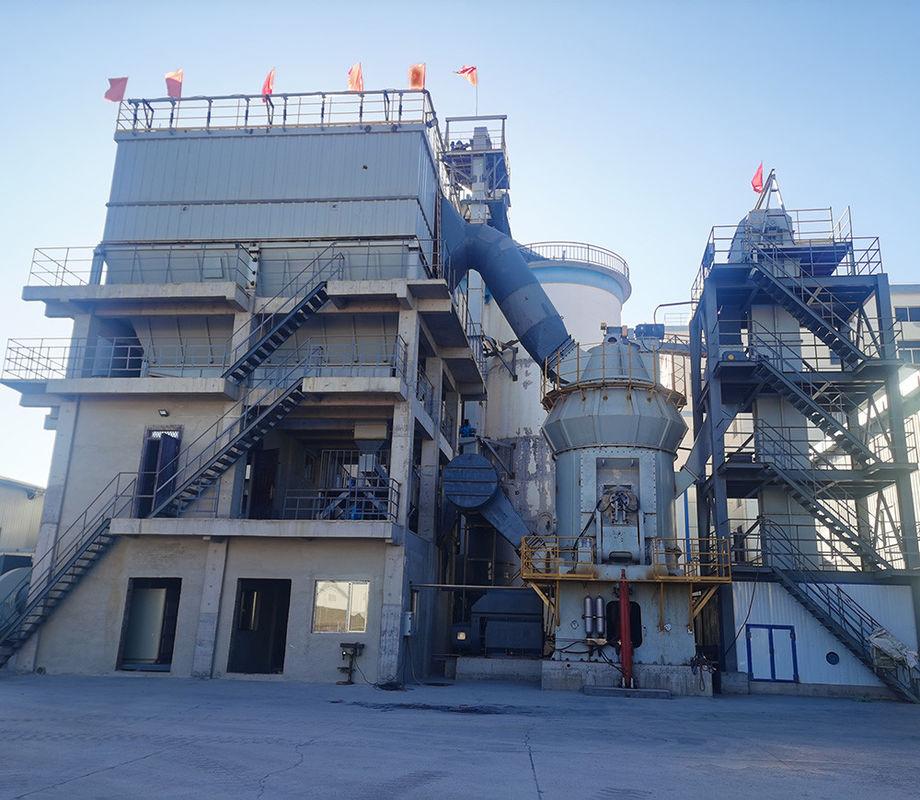
Vertical Cement Mill
A Vertical Cement Mill is designed for finish grinding of cement clinker after the calcination process. It can also grind supplementary cementitious materials such as gypsum, fly ash, and slag to produce various grades of cement. Compared with traditional ball mills, it offers lower power consumption, higher production efficiency, and better control over cement fineness. Typical materials are cement clinker, gypsum, fly ash, pozzolana, limestone additives. Main application: cement finish grinding.
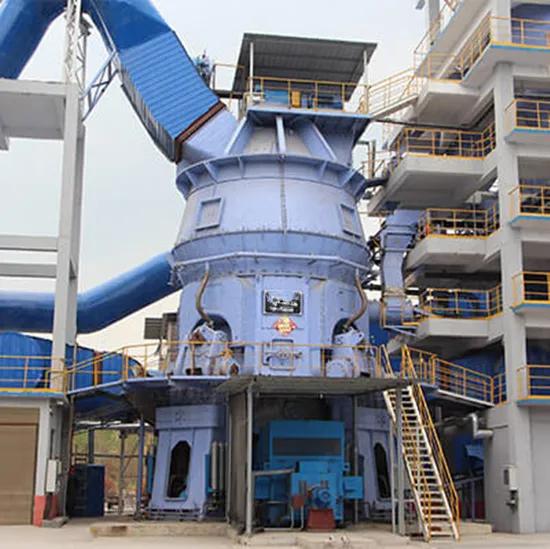
Coal Vertical Mill
A Coal Vertical Mill is specially engineered for grinding coal into fine powder used as fuel in rotary kilns, cement plants, steel mills, and thermal power stations. Because coal is combustible, the mill is equipped with explosion-proof designs, inert gas systems, and advanced safety controls to ensure reliable and safe operation.
Typical materials are Bituminous coal, Anthracite, Lignite, Petroleum coke. Main application: pulverized coal preparation.
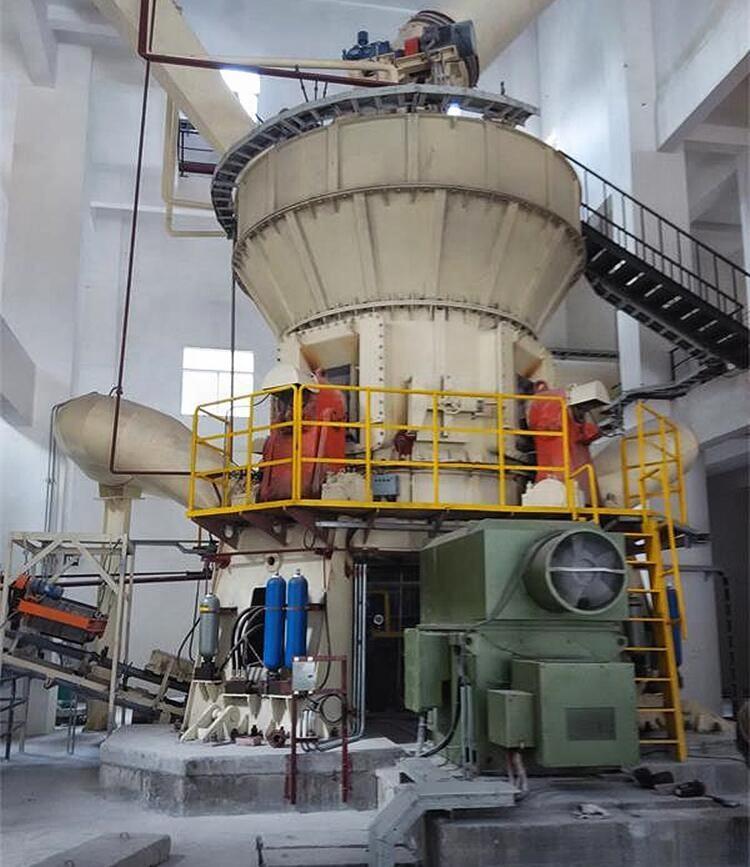
Slag Vertical Mill
A Slag Vertical Mill is designed for processing granulated blast furnace slag and other industrial by-products into ultrafine powder. Due to the high abrasiveness of slag, the grinding components are manufactured using highly wear-resistant materials to ensure long service life. The finished slag powder is widely used in cement production, concrete manufacturing, and other construction materials. Granulated blast furnace slag, Steel slag, Nickel slag, Other industrial slags are typical materials. Main application is for slag powder production.
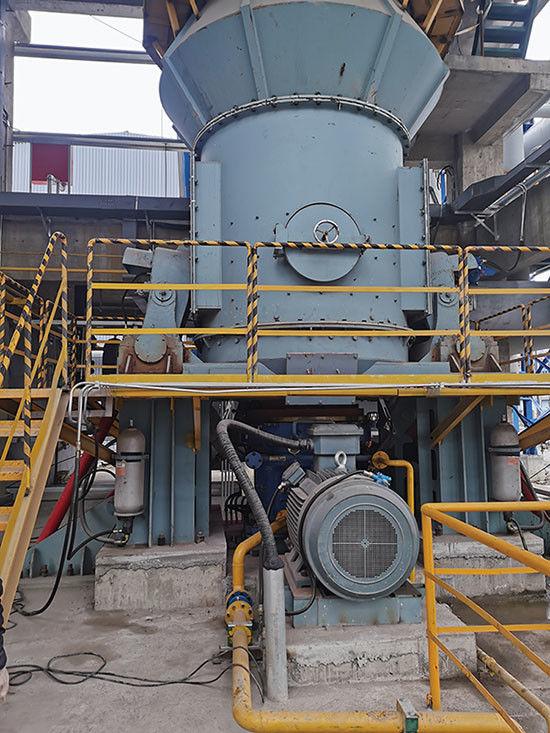
Vertical Limestone Mill
A Vertical Limestone Mill is specifically optimized for grinding limestone into fine powder for lime plants and various industrial applications. It is widely used in quicklime production, hydrated lime plants, flue gas desulfurization (FGD), construction materials, glass manufacturing, and chemical industries. Depending on the production requirements, the mill can produce powders with different fineness while maintaining high capacity and low energy consumption.
Compared with conventional grinding equipment, a vertical limestone mill combines crushing, grinding, drying, and classification in a compact system, making it an ideal solution for modern limestone processing plants.
Typical materials:
- Limestone.
- Dolomite.
- Calcite.
- Marble.
- Gypsum.
Main application: Limestone powder production for lime and industrial mineral processing.
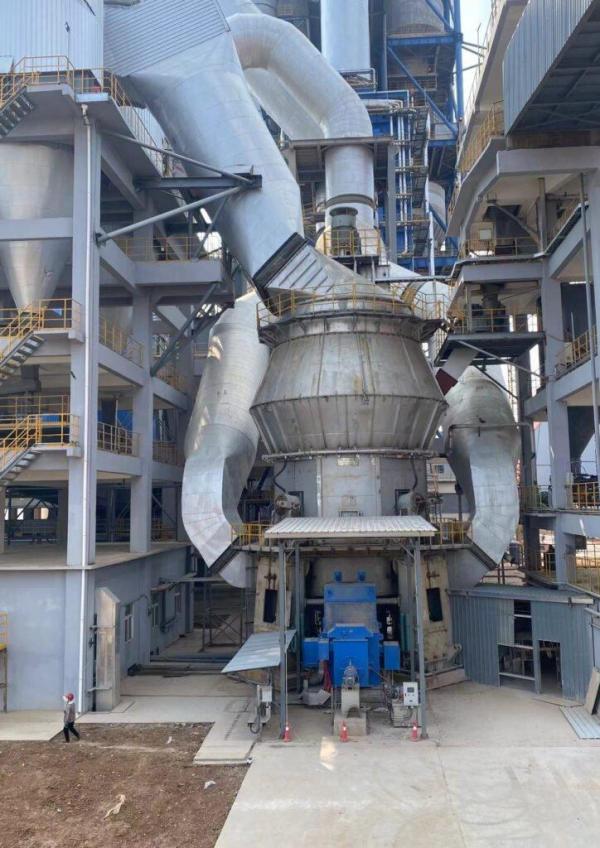
Choosing the Right Vertical Grinding Mill
While all vertical grinding mills operate using the same material-bed grinding principle, selecting the right model depends on the material characteristics and production objectives. Factors such as material hardness, moisture content, required fineness, production capacity, and wear resistance should all be considered during equipment selection.
For limestone processing plants, a vertical limestone mill provides the best balance of grinding efficiency, energy savings, and product quality. For cement manufacturing, vertical raw mills and vertical cement mills are optimized for different stages of the production process, while coal vertical mills and slag vertical mills are designed to meet the unique requirements of fuel preparation and industrial mineral grinding.
AGICO CEMENT Vertical Grinding Mill Projects