
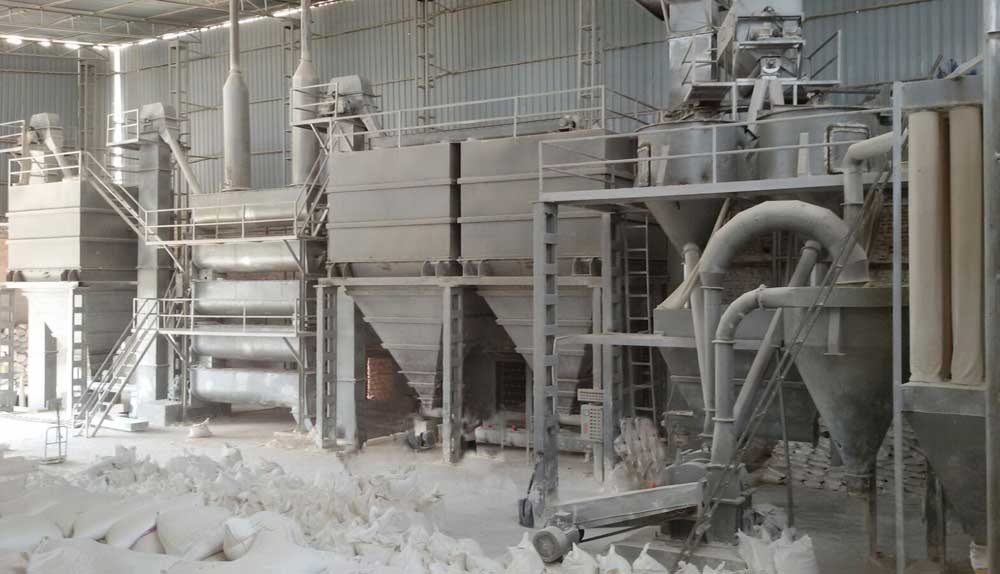
Product: Precipitated Calcium Carbonate Plant
Wide applications of the finished product
Customized solution
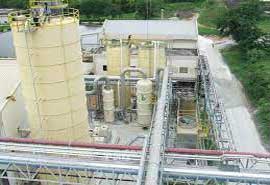
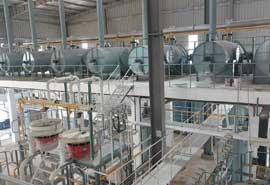
Main Equipment for Precipitated Calcium Carbonate Plant: Lime kiln, lime slaker, carbonation reactor, filtration system, dryer, grinding mill, etc.
PCC refers to Precipitated Calcium Carbonate, a high-purity calcium carbonate extracted from limestone through a chemical precipitation process. Unlike natural calcium carbonate (such as mineral calcium carbonate), PCC is produced by calcining limestone or similar raw materials to generate lime (mainly composed of calcium oxide) and carbon dioxide. The lime is then slaked with water to form lime milk (mainly calcium hydroxide), which is carbonated by introducing carbon dioxide to precipitate calcium carbonate. After dehydration, drying, and grinding, PCC is obtained.
Alternatively, PCC can be produced by reacting sodium carbonate with calcium chloride to form calcium carbonate precipitate, followed by dehydration, drying, and grinding. The sedimentation volume of PCC (2.4–2.8 mL/g) is larger than that of ground calcium carbonate (1.1–1.4 mL/g), hence the name “precipitated” or “light” calcium carbonate. PCC typically appears as a white powder and is widely used in industries such as coatings, plastics, paper, and rubber.
The main processes in a PCC production line include limestone processing, carbonation reaction, precipitation, filtration, drying, and final packaging.

Agico Cement is a professional manufacturer of precipitated calcium carbonate plant. We provide all the equipment for precipitated calcium carbonate plant with customized solutions. We offer services of custom design, quality control, low cost, strong manufacturing ability and so on. If you have any needs, please feel free to consult us!
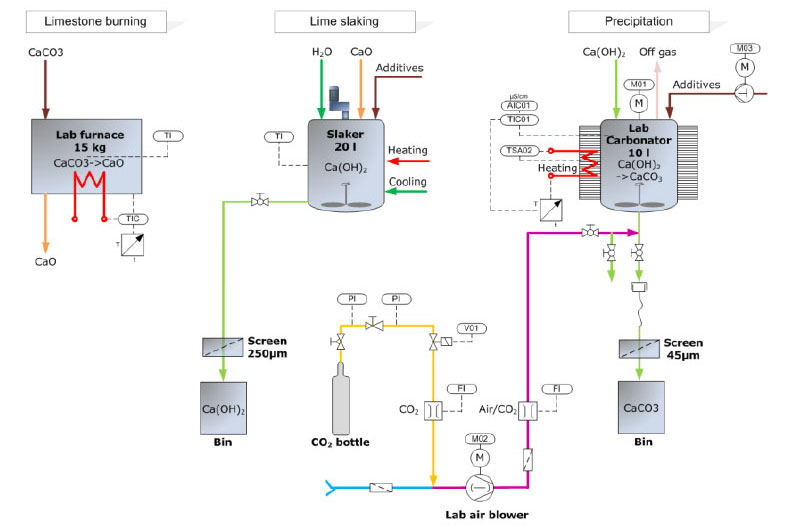
Precipitated Calcium Carbonate Manufacturing Process
Limestone Calcination
Limestone and anthracite are added to a lime kiln in a 6:1 ratio and calcined using auxiliary technical equipment. After the calcination reaction is completed, lime (CaO) is obtained through natural cooling and ash discharge.
Slaking of Quicklime
Quicklime and water are added to a digester (slaking machine), and the mixture is dissolved and stirred. The resulting slurry then flows into a coarse slurry tank.
Carbonation of Lime Water
The lime water from the coarse slurry tank (a cement underground tank) is separated and enters a fine slurry tank (preferably twice or three times). Then, the raw material slurry from the fine slurry tank is pumped into a carbonation tower (a cylindrical carbonation tower), where CO₂ from the lime kiln is reduced to 40-50%.
Dehydration
The slurry is dehydrated using centrifugal separation equipment.
Drying
The dehydrated powder, with a moisture content of about 30%, is placed in a drying furnace and dried at approximately 200°C.
Grinding
The dried material is screened using an air separator or airflow sieve, and after grinding, the final product is obtained.
Packaging and Storage
The finished product is bagged using a packaging machine. The packaged PCC is transported to the warehouse using a forklift.
Features and Applications of PCC
PCC is characterized by uniform particle size, high purity, and good dispersibility, making it widely used in various industrial fields, including:
- Coatings – Used as a white pigment and filler, providing excellent opacity and gloss.
- Plastics – Functions as a filler to enhance the rigidity and wear resistance of plastics.
- Paper – Applied as a filler and coating material to improve paper gloss and smoothness.
- Rubber – Serves as a reinforcing material to enhance the abrasion resistance and elasticity of rubber.
- Food & Pharmaceuticals – PCC is also used in the food and pharmaceutical industries as a food additive or excipient in medications.
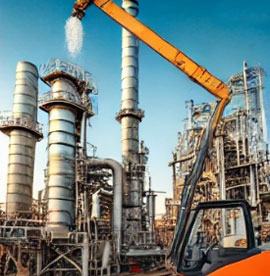
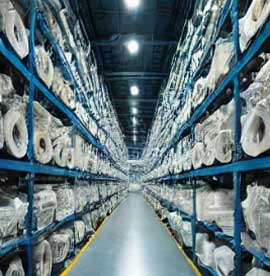

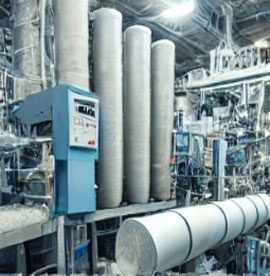
Equipment for the Precipitated Calcium Carbonate Plant
Raw Material Processing and Calcination Equipment
- Crushers (such as jaw crushers and hammer crushers) are used to crush limestone into suitable particle sizes (typically 10-50mm).
- A rotary kiln or shaft kiln is used for high-temperature calcination of limestone(CaCO₃ → CaO + CO₂) within a temperature range of 900-1200°C. The rotary kiln is suitable for large-scale continuous production, while the shaft kiln has a lower investment cost.
Slaking and Refining Equipment
- Slaker (lime hydrator): Reacts quicklime with water to produce lime milk (CaO + H₂O → Ca(OH)₂). The equipment should have stirring and temperature control functions.
- Hydrocyclone or vibrating screen: Removes undissolved particles and impurities from the lime milk to ensure slurry purity.
Carbonation Reaction Equipment
- Carbonation tower/reactor: CO₂ gas is introduced into the lime milk to form precipitated calcium carbonate (Ca(OH)₂ + CO₂ → CaCO₃↓ + H₂O). Reaction temperature (40-80°C), pH value, and CO₂ concentration must be carefully controlled.
- CO₂ supply system: Includes gas compressors, purification devices (such as desulfurization towers), and flow meters.
Solid-Liquid Separation and Washing Equipment
- A filter press or centrifuge is used to separate solids from the PCC slurry, achieving initial dehydration.
Drying and Grinding Equipment
- Spray dryer or flash dryer: Quickly dries the wet material, controlling the final moisture content (typically <0.5%). Spray drying is suitable for nano-scale PCC, while flash drying is used for micron-scale PCC.
- Jet mill or ball mill: Adjusts particle fineness and distribution, with a classifier for precise particle size control.
Auxiliary and Environmental Protection Equipment
- Automation control system: PLC/DCS system monitors parameters such as temperature, pH, and flow rate to ensure process stability.
- Water recycling system.
- Dust removal system: Includes baghouse dust collectors and cyclone separators.
- Exhaust gas treatment devices to purify emissions from calcination and carbonation processes.

Rotary Lime Kiln for Calcination
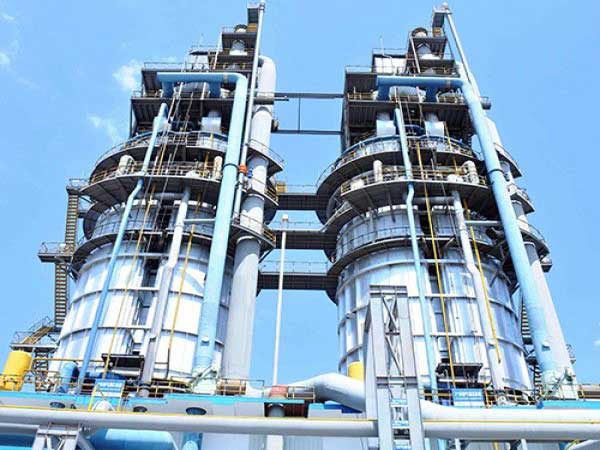
Calcination Equipment

Vertical Lime Kiln
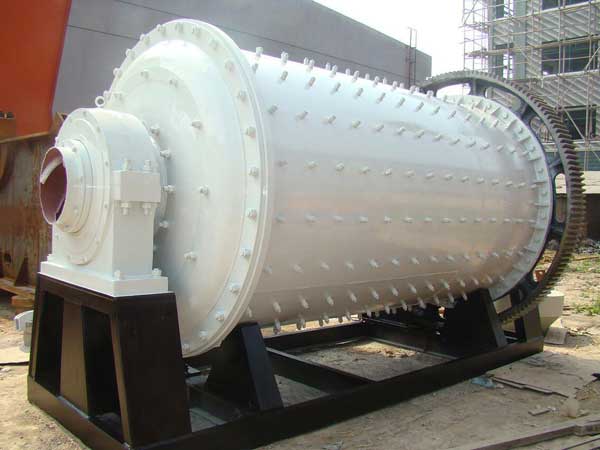
Crushing Equipment
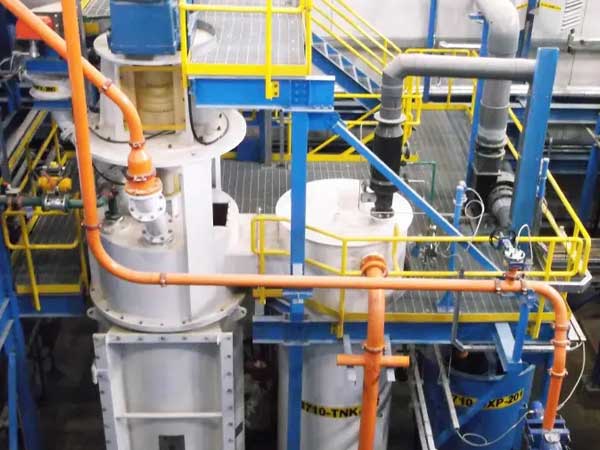
Slaking Equipment
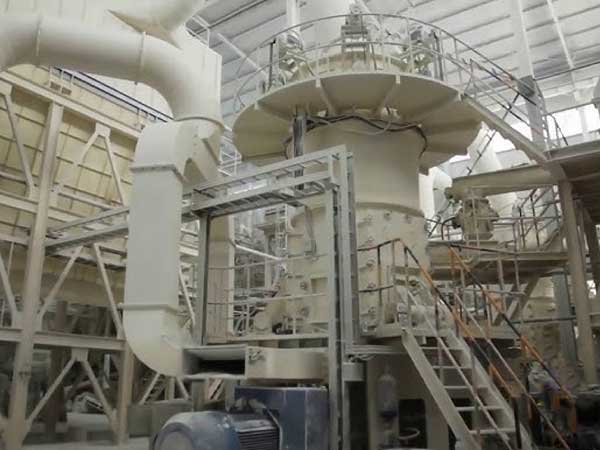
Carbonation Reaction Equipment
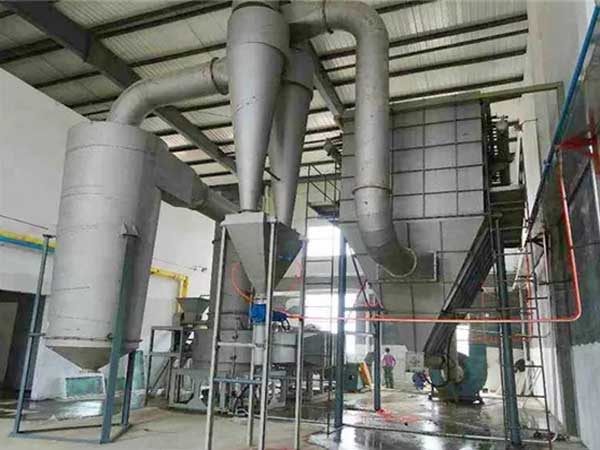
Drying Equipment
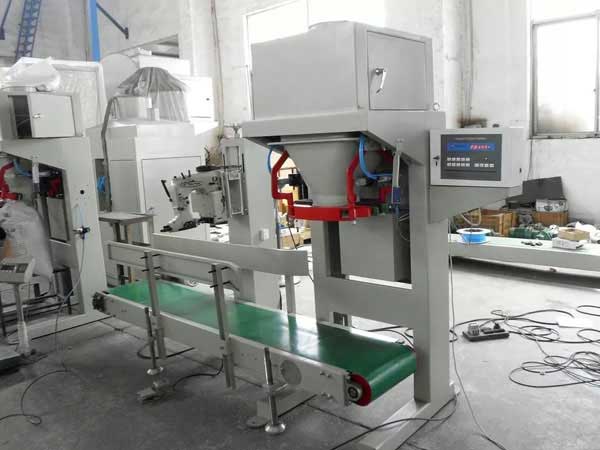
Packing Equipment