Refractory materials play a vital role in the steelmaking industry, especially in the production of steel, which requires a significant amount of lime. The lime consumption in steelmaking can reach up to 100-110kg/t of steel, which has led to the rise of lime kilns. Lime kilns come in various types, including vertical kilns, rotary kilns, and annular kilns, with vertical kilns being the most prevalent. In this post, we will discuss the application of refractory materials in lime kilns in detail.
Lining of the feeding port and preheating zone
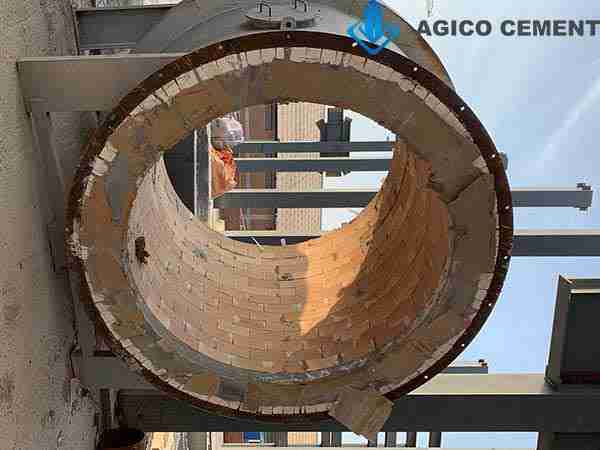
The working temperature of the feeding port and preheating zone is relatively low, and the lining is mainly affected by the mechanical impact and wear of the materials. Therefore, the selected refractory material must have a dense structure, good wear resistance, high compressive strength, strong resistance to erosion, and good resistance to peeling. Dense clay bricks are a suitable option for this area.
Lining of the calcination zone In the calcination zone
The lining is subjected to the effects of material wear, gas flow erosion, and chemical corrosion by CaO at high temperatures, which results in rapid damage. The selection of refractory materials for this area is also strict, as they must possess high refractoriness, good corrosion resistance, good abrasion resistance, and high thermal stability. For small and medium-sized vertical kilns, low porosity high alumina bricks and sillimanite bricks are generally used. For large vertical kilns, alkaline bricks such as magnesia chrome bricks, magnesia bricks, and magnesia spinel bricks are used to line the calcination zone.
Lining of the cooling zone and discharge port
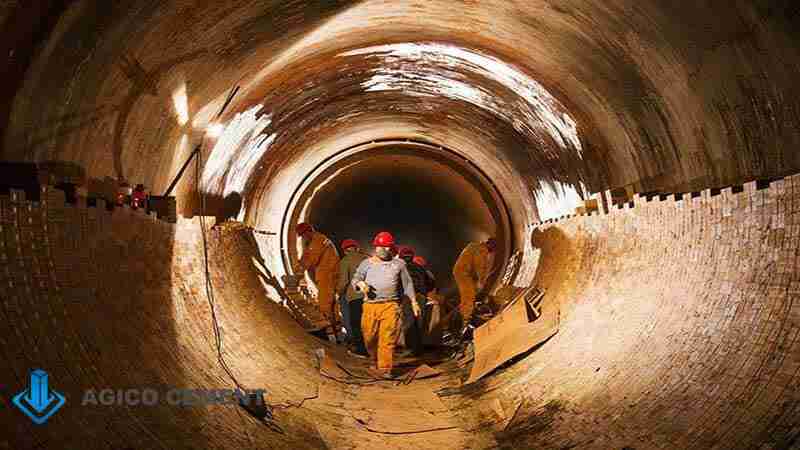
The temperature in the cooling zone and the area around the discharge port is relatively low, and the reason for damage is due to the wear of lime and the temperature difference caused by the alternating hot and cold temperatures. Therefore, the selection of refractory materials must have excellent wear resistance, good resistance to peeling, and high density. High-strength clay bricks are a suitable option for this area.
Refractory materials play a crucial role in high-temperature industrial
processes such as steelmaking, cement manufacturing, and glass production. These materials are designed to withstand extreme temperatures and harsh chemical environments, protecting the equipment and ensuring the quality of the end product.
In steelmaking, for example, refractory materials are used to line the furnaces and other equipment where the steel is melted and processed. These materials must be able to withstand temperatures of up to 1,600°C and resist the corrosive effects of molten metal and slag. Common refractory materials used in steelmaking include magnesia-carbon bricks, alumina-silica bricks, and magnesia-chrome bricks.
Similarly, in cement manufacturing, refractory materials are used to line the kilns and other equipment where the raw materials are heated to form clinker. The high temperatures and harsh chemical environment in these processes require refractory materials with high thermal shock resistance, high compressive strength, and resistance to alkali attack. Common refractory materials used in cement manufacturing include magnesia-spinel bricks, high-alumina bricks, and silicon carbide bricks.
In glass production, refractory materials are used in the melting furnaces where the raw materials are heated to their melting point. These materials must be able to withstand temperatures of up to 1,600°C and resist the corrosive effects of molten glass. Common refractory materials used in glass production include fused cast refractories, zircon refractories, and alumina refractories.
The selection of refractory materials for high-temperature industrial processes is a critical factor in ensuring the efficiency and quality of the process. Factors such as temperature, chemical environment, and mechanical stress must be considered when selecting the appropriate refractory material. Additionally, proper installation and maintenance of the refractory materials are necessary to ensure their continued effectiveness.
Anyang General International Co., Ltd. is a company located in the Industrial Park of the Development Zone in Anyang City, which is engaged in the design, transformation, ignition, production, and automation construction of energy-saving and environmentally friendly lime kilns. The company produces a range of related products, including top charging machines, disc ash extractors, computer simulation wind caps, sealed ash valve silos, star ash extractors, bluestone coal weighing systems, supporting winches, and vibration feeders.
In conclusion, the use of refractory materials in lime kilns is essential for the safe and efficient operation of the kilns. The selection of refractory materials depends on the specific area and the type of kiln. By choosing the appropriate refractory materials, the service life of the kiln can be extended, and the production efficiency can be improved.