The internal equipment of a lime kiln is often in a concealed state, making it difficult to detect problems early. Once issues arise, they can be challenging to resolve. Therefore, ensuring the smooth operation of internal components is crucial. By upgrading with lubrication devices, wear and tear can be mitigated, effectively preventing damage caused by friction and eliminating major hazards such as rotary table misalignment. The continuous improvement of lime kiln operation technology aims to address current shortcomings and develop the equipment into an optimized product.
Key requirements for shaft kiln lime calcination
In vertical kilns used for the lime kiln process, the furnace charge must be distributed in distinct layers: preheating layer (top temperature <100°C), calcination layer(~1100°C), cooling layer, and final product layer (<100°C). Each layer requires strict temperature control.
- The upper part of the preheating layer, near the furnace top, should be maintained below 100°C.
- The calcination layer must reach the optimal temperature for limestone decomposition, typically around 1100°C.
- The cooling layer is where lime crystals form after decomposition. Rapid cooling is essential to produce high-quality active lime.
- The product layer should be kept as cool as possible, ideally below 100°C.
Critical challenges in lime kiln operation
Maintaining stable temperature stratification inside the kiln is essential, preventing layer tilting. The discharge system is also critical. Many traditional vertical kilns lack sealed and continuous ash discharge systems, leading to uneven discharge. In such cases, the air supply must be stopped during ash removal, causing kiln instability, lower output, and increased over-burning rates.
Lime calcination is a continuous process. Interrupting combustion-supporting airflow during ash discharge is highly detrimental to the lime kiln process. Many kilns face challenges in maintaining a sealed ash removal system, as leakage of combustion air through the discharge pathway can cause environmental pollution and operational difficulties. Consequently, most kilns adopt a method of stopping airflow during ash discharge. However, this approach disrupts the calcination process, making it difficult to maintain optimal temperatures, ultimately reducing output and increasing the rate of over-burned lime.
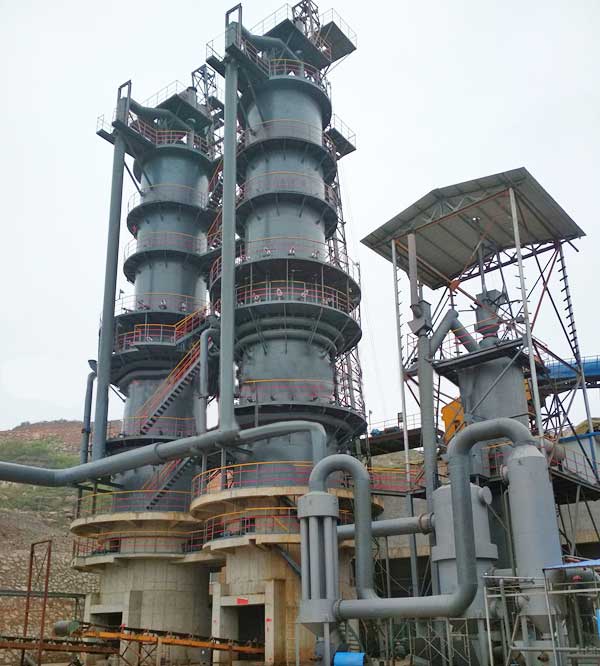
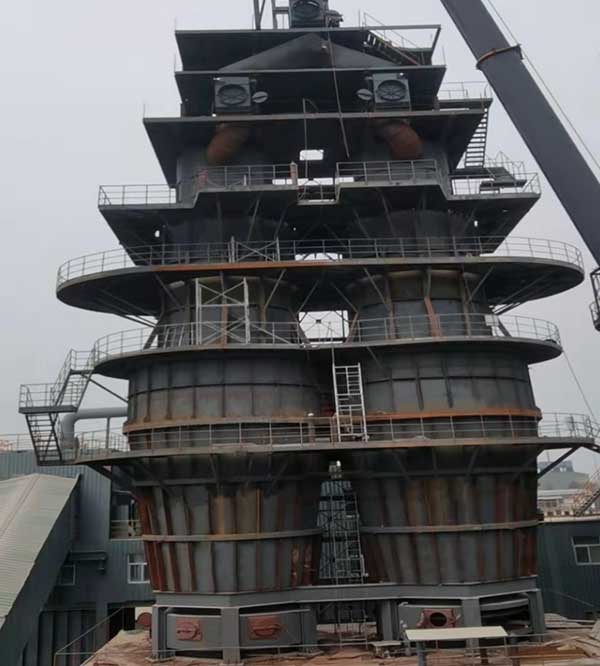
AGICO CEMENT Technical breakthrough
Agico Cement specializes in energy-efficient and environmentally friendly lime kiln design, upgrades, ignition services, production optimization, equipment manufacturing, and automation solutions. With reliable technology, competitive pricing, and an honest cooperation model, Agico Cement looks forward to partnering with you for mutual growth.
- Sealed continuous discharge systems enabling uninterrupted combustion air supply.
- Automated process control for temperature stabilization (±15°C variance).
- 360° uniform discharge mechanisms preventing material segregation.
- Patented air curtain technology achieving 99.8% dust containment.
Our retrofit services typically achieve:
- 20-35% production increase.
- 15-25% energy savings.
- <5% reject rates.
- Continuous 120-day operation cycles.
As a full-service provider of lime kiln engineering solutions from design to automation integration, AGICO Cement combines technical expertise with cost-effective EPC models. Our operation-focused innovations in lime kiln processes ensure enhanced profitability through reliable performance and sustainable operation.
Characteristics of Different Types of Lime Kilns
Lime kilns are the primary equipment for lime production. As national economic development progresses, the demand for lime has been increasing. However, traditional earth kilns, due to their high energy consumption, low thermal efficiency, high over-burning rates, and severe pollution, have been banned by the government. Today, modern mechanized kilns are widely used, there are mainly two types of lime kiln used in the calcination process,namely vertical lime kilns and rotary kilns. But which type is more economical and environmentally friendly? Let’s compare them.
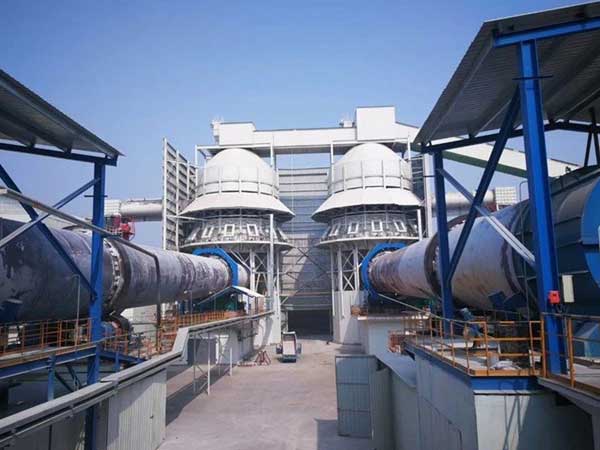
Rotary Kilns
Rotary kilns are large, rotating cylinders where limestone is heated and converted into quicklime. They are commonly used in large-scale industrial production for producing lime with high reactivity and low levels of CO₂, sulfur, and phosphorus. This type of kiln has the following advantages:
- Large production capacity, reaching up to 2,000 tons per day (t/d).
- Ability to calcine smaller-sized limestone particles.
- Convenient operation, with simple procedures for stopping and restarting airflow.
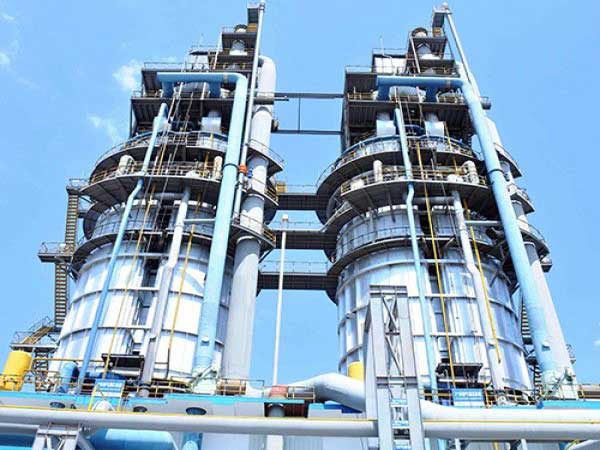
Mechanized Vertical Lime Kilns
More energy-efficient than rotary kilns, these kilns operate continuously, allowing lime production with lower fuel consumption. These are commonly used in chemical industries. The feeding and ash discharge processes are mechanized, and each calcination zone is equipped with automatic temperature recording instruments. The advantages of this kiln type include:
- High efficiency in preheating and cooling, leading to improved thermal efficiency.
- Small footprint, making it suitable for limited space.
- Low equipment cost, requiring fewer auxiliary devices and a lower initial investment.
Lime kilns are the “heart” of lime and cement production plants, playing a critical role in determining production quality and energy consumption. A well-designed kiln ensures high efficiency and energy savings, while a poorly designed one results in higher energy consumption and lower product quality. Choosing the right kiln type is crucial for optimizing both economic and environmental benefits.
Lime Kiln Process: A Key Component in Lime Production
The lime kiln process is a crucial stage in lime production, where limestone (calcium carbonate) is heated at high temperatures to produce quicklime (calcium oxide). This process, known as calcination, plays a significant role in industries such as construction, agriculture, and chemical manufacturing.
Stages of Lime Kiln Processing
1. Limestone Extraction and Preparation
Lime production begins with the extraction of high-quality limestone, which is primarily composed of calcium carbonate (CaCO₃). The extracted limestone is then crushed and sorted into suitable sizes for kiln processing.
2. Calcination in the Lime Kiln
In this stage, the limestone is fed into a kiln, where it is heated to temperatures exceeding 900°C. The heat causes a chemical reaction that releases carbon dioxide (CO₂), leaving behind calcium oxide (CaO), also known as quicklime.
3. Cooling and Processing
Once calcination is complete, the quicklime is cooled and further processed. It can be ground into fine powder or combined with water to produce hydrated lime (Ca(OH)₂), which is used in water treatment, soil stabilization, and chemical manufacturing.

Environmental Considerations
Lime production is energy-intensive and results in CO₂ emissions. However, modern kilns are designed to improve energy efficiency and reduce environmental impact. Some manufacturers use renewable energy sources and carbon capture techniques to minimize emissions.
The lime kiln process is a fundamental industrial procedure with diverse applications. Advances in kiln technology are making production more sustainable, ensuring the continued importance of lime in modern industries.
By implementing energy-efficient kilns and exploring alternative fuels, the lime industry is working towards reducing its carbon footprint while maintaining high-quality production standards.