Importance of Lime Industry
The lime industry holds a significant position in the national economy, with lime being a crucial foundational raw material for national economic construction. Currently, there is no other material that can replace its status. With the rapid development of China’s economy, the role of lime in the national economy is becoming increasingly important. As a key foundational industry, the lime industry has become an important indicator of the level of economic development and overall strength of the nation. Lime, as an essential raw material for industrial production, is primarily used in metallurgy, building materials, and the chemical industry, among other sectors of the national economy. Its use in other fields is also in the stages of development and growth. It plays a vital role in prospering the market, increasing residents’ income, and promoting urbanization development.

Lime Calcination Process
The lime calcination process, you can also understand as calcination process in lime kilns, is a crucial step in lime production, involving various stages from raw material preparation to the production of the final product. Here is a detailed overview of the lime calcination process or calcination process in lime kiln.
Raw Material Preparation
1. Raw Material Selection
Primary Raw Material: Limestone (CaCO3) serves as the primary raw material for lime production.
Quality Consideration: Selecting high-purity limestone is crucial as it directly impacts the quality of the quicklime (CaO) produced. High-purity limestone results in higher reactivity and purity of the quicklime, which is desirable for various industrial applications.
2. Crushing and Screening
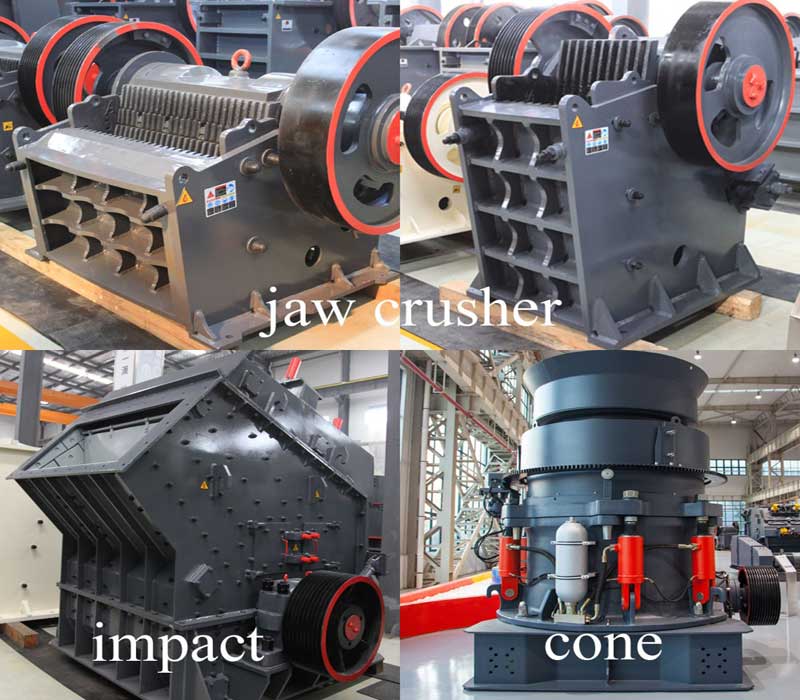
Crushing: Large chunks of limestone are fed into crushing machines where they are broken down into smaller, more manageable pieces.
Screening: The crushed limestone is then screened to separate it into different size fractions. Typically, the desired particle size for calcination is between 10-50 mm. Uniform particle size ensures consistent heat distribution and efficient calcination.

3. Pre-Treatment
Preheating: In some cases, limestone is preheated to remove moisture and to begin the calcination process more efficiently. This step can reduce the overall energy consumption in the kiln.
Impurity Removal: Impurities such as clay, silica, and organic matter are removed to enhance the quality of the final lime product.

Feeding System
1. Feeding Equipment
Conveyors and Elevators: Belt conveyors or bucket elevatorsare commonly used to transport the prepared limestone from the storage area to the top of the kiln.
Storage Bins: Limestone is stored in bins at the top of the lime kiln to maintain a continuous supply.
2. Feed Control
Automatic Control Systems: Precise control of the feed rate is achieved using automated systems. These systems regulate the amount of limestone entering the kiln to maintain a consistent and stable calcination process. Proper feed control helps in maintaining the desired temperature and reaction conditions inside the kiln.

3. Pre-Treatment
Preheating: In some cases, limestone is preheated to remove moisture and to begin the calcination process more efficiently. This step can reduce the overall energy consumption in the kiln.
Impurity Removal: Impurities such as clay, silica, and organic matter are removed to enhance the quality of the final lime product.
Calcination Stage
The calcination stage is where limestone is converted into lime, involving precise control of temperature, time, and reaction conditions.
1. Common lime Kiln Types
Vertical lime Kilns
- Structure: Vertical lime kilns are usually cylindrical or rectangular and lined with refractory materials to withstand high temperatures.
- Operation: Limestone is added from the top, and as it moves downward, it undergoes heating, calcination, and cooling stages. Fuel and air are introduced from the bottom or sides.
- Advantages: Vertical kilns have lower energy consumption and are suitable for small to medium-scale production. They are also simpler in design and operation compared to rotary kilns.
Rotary lime Kilns
- Structure: Rotary lime kilns are inclined cylindrical structures that rotate slowly. They are lined with refractory materials and supported by rollers and gears.
- Operation: Limestone is fed into the higher end of the kiln. As the kiln rotates, the limestone gradually moves downwards, undergoing preheating, calcination, and cooling. The rotation ensures uniform exposure to heat.
- Advantages: Rotary lime kilns provide uniform calcination and are suitable for large-scale, continuous production. They also allow better control over temperature and reaction conditions.
2. Key Parameters
Temperature Control: The calcination temperature typically ranges from 900°C to 1100°C. Temperature control is achieved by adjusting the fuel combustion and air supply. Consistent temperature is crucial for the complete conversion of limestone to quicklime.
Calcination Time: The residence time of limestone in the kiln ranges from 4 to 10 hours, depending on the kiln type and limestone size. Proper residence time ensures thorough calcination and high-quality quicklime.
Air Supply: Adequate oxygen supply is essential for complete combustion of fuel and efficient calcination. Insufficient air supply can lead to incomplete combustion and poor quality quicklime.

Cooling and Discharge
1. Cooling System
Grate Coolers: In vertical lime kilns, grate coolers are used to cool the hot quicklime. The lime passes through a series of grates where it is cooled by air.
Rotary Coolers: In rotary lime kilns, rotary coolers are used. These are similar to rotary kilns but are designed to cool the lime. Air is blown through the cooler to reduce the temperature of the lime.
2. Discharge Equipment
Discharge Devices: After cooling, the quicklime is discharged using devices like screw conveyors or belt conveyors.
Storage: The cooled quicklime is then conveyed to storage silos or bins for further handling.
Storage Equipment
Silos and Warehouses: Quicklime is stored in silos or warehouses that are dry and moisture-proof. This prevents the quicklime from absorbing moisture from the air, which can cause it to hydrate and lose its reactivity.
Packaging and Transportation
Bulk Transport: Quicklime is transported in bulk via trucks, railcars, or ships.
Bagged Transport: For smaller quantities or specific customer requirements, quicklime is packaged in bags. Bagged lime is easier to handle and transport for certain applications.
Environmental Measures
1. Waste Gas Treatment
Dust Collectors: Cyclones, bag filters, or electrostatic precipitators are used to remove particulate matter from the exhaust gases.
Desulfurization Equipment: To reduce sulfur dioxide emissions, desulfurization equipment is used. This can involve chemical scrubbers or other technologies.
2. Waste Management
Residue Handling: Residues from the calcination process, such as unburnt particles or oversize materials, are collected and processed. Some residues can be recycled or used in other applications, reducing waste and improving sustainability.
Automation and Control
1. Automated Control System
Monitoring Systems: Modern lime kilns are equipped with automated systems that monitor critical parameters like temperature, pressure, and feed rate in real-time. These systems ensure optimal operating conditions and help maintain consistent product quality.
Process Optimization: Automated control systems can adjust fuel and air supply, feed rate, and other variables to optimize the calcination process. This leads to higher efficiency and lower energy consumption.
2. Data Analysis and Optimization
Continuous Improvement: Data collected from the automated systems is analyzed to identify areas for improvement. Adjustments to the process can be made based on this analysis to enhance efficiency, reduce costs, and improve product quality.
Predictive Maintenance: Data analysis can also help in predictive maintenance, identifying potential issues before they lead to equipment failure, thus reducing downtime and maintenance costs.
This detailed introduction provides a comprehensive understanding of the various stages and critical aspects of the calcination process in lime kilns. Mastering these processes is essential for optimizing production techniques, enhancing product quality, and improving overall efficiency in lime production.