
With the development of the dolomite calcination plant, dolomite has become an indispensable and important resource in many fields due to its unique properties and wide range of uses. The application of dolomite ranges from building materials to the metallurgical industry, from the agricultural field to environmental protection, and plays an important role in each application field. The crystal structure of dolomite is trigonal, and common forms include block, granular, fibrous, etc. These characteristics make dolomite have a wide range of application prospects in different fields. The use of calcined dolomite is also very popular.

Detailed Explanation of the Use of Calcined Dolomite

Mainly application of dolomite, interested in this, don’t hesitate to get in touch with us!
Application of Dolomite in the Field of Building Materials
Cement Production
Dolomite is one of the important raw materials for cement production. In the process of firing cement clinker, adding dolomite in an appropriate amount can reduce the firing temperature and improve the strength and durability of cement. The magnesium carbonate and calcium carbonate in dolomite decompose at high temperatures release carbon dioxide, form active ingredients such as calcium oxide and magnesium oxide, and react with other raw materials to form cement clinker. In addition, dolomite can also improve the color and appearance of cement, making it more beautiful. Dolomite which has been calcined at high temperature has a wide range of applications in the field of building materials. After being processed in the dolomite calcination plant, dolomite can be made into high-performance limestone powder, calcium oxide, heavy calcium carbonate, and other materials, which are used in construction, coatings, papermaking, plastics, rubber, and other fields. It has excellent physical and chemical properties, good durability, high support strength, and is not easy to crack. It can meet the requirements of various building materials under different conditions.
Glass Manufacturing
Dolomite is also a commonly used raw material in glass manufacturing. The magnesium oxide in dolomite can improve the chemical stability and heat resistance of glass, reduce the thermal expansion coefficient of glass, and make it more suitable for use in high-temperature and harsh environments. At the same time, dolomite can also adjust the color and transparency of glass to make it more in line with different usage requirements.
Ceramic Industry
Dolomite is also widely used in the ceramic industry. It can be used as one of the main components of ceramic blanks to improve the strength and hardness of ceramics. The magnesium carbonate and calcium carbonate in dolomite decompose at high temperatures to form active ingredients such as magnesium oxide and calcium oxide, which react with other raw materials to form a ceramic blank. In addition, dolomite can also be used as a raw material for ceramic glazes to adjust the color and gloss of glazes.



Application of Dolomite in the Metallurgical Industry
Ironmaking
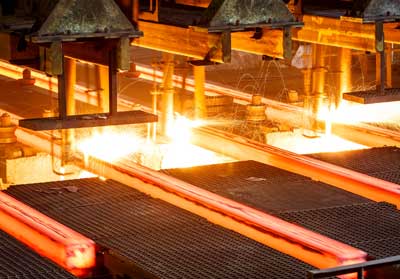
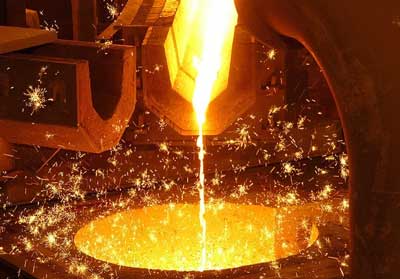
Dolomite can be used as a flux in the ironmaking process. It can react with impurities in iron ore to form low-melting-point slag, thereby reducing the temperature and cost of ironmaking. At the same time, the magnesium oxide in dolomite can also improve the fluidity of the slag, making it easier to separate from the molten iron. In addition, dolomite can also be used as a refractory material for ironmaking furnaces to increase the service life of the furnace.
Steelmaking
Dolomite can also be used as a flux in the steelmaking process. It can react with impurities in molten steel to form slag, thereby improving the quality of steel. At the same time, the magnesium oxide in dolomite can also increase the basicity of the slag, making it easier to remove impurities such as sulfur and phosphorus in the molten steel. In addition, dolomite can also be used as a refractory material for steelmaking furnaces to increase the service life of the furnace.
Chemical Raw Materials
Dolomite can be made into calcium oxide, heavy calcium carbonate, ferrous carbonate, and other raw materials widely used in the chemical industry after calcination. Calcium oxide is widely used in metal smelting, fertilizer production, pharmaceutical preparations, environmental protection, water treatment, and other fields. Ferrous carbonate is usually used as a buffer for aluminum chloride, which helps to stabilize the PH of aluminum chloride and can increase the sedimentation rate of aluminum and the water treatment effect.

Application of Dolomite in the Agricultural Field
Soil Improvement
Dolomite can be used as a soil conditioner. It can adjust the PH of the soil and improve the fertility and water retention of the soil. The magnesium carbonate and calcium carbonate in dolomite can react with the acidic substances in the soil to form neutral or slightly alkaline substances, thereby improving the PH of the soil. At the same time, elements such as magnesium and calcium in dolomite are also necessary nutrients for plant growth and can improve the fertility of the soil. In addition, dolomite can also increase the porosity of the soil and improve the water retention and air permeability of the soil.
Feed Additives
Dolomite can also be used as a feed additive. It can provide animals with nutrients such as calcium and magnesium, and promote the growth and development of animals. Elements such as calcium and magnesium in dolomite are important components of animal bones and teeth, which can improve the bone strength and tooth hardness of animals. At the same time, dolomite can also regulate the gastrointestinal function of animals and promote animal digestion and absorption.
Application of Dolomite in the Field of Environmental Protection
Sewage Treatment
Dolomite can be used as a sewage treatment agent. It can react with heavy metal ions in sewage to form precipitation, thereby removing heavy metal pollution in sewage. At the same time, magnesium carbonate and calcium carbonate in dolomite can also adjust the PH of sewage, making it more suitable for biological treatment. In addition, dolomite can also be used as a filter material in sewage treatment plants to improve the efficiency and quality of sewage treatment.
Air Pollution Control
Dolomite can also be used as an air pollution control agent. It can react with pollutants such as sulfur dioxide and nitrogen oxides in the air to form substances such as sulfates and nitrates, thereby reducing the content of pollutants in the atmosphere. At the same time, dolomite can also be used as an adsorbent to adsorb particulate matter and harmful gases in the air and purify the air.
Application of Dolomite in Other Fields
Dolomite can also be used to produce magnesium compounds, such as magnesium carbonate, magnesium oxide, magnesium sulfate, etc. These compounds are used in many industries, such as shipbuilding, boilers, glass, pigments, medicine, etc. In addition, dolomite can also be used to make new body pigments for paint production, reduce the amount of titanium dioxide, and improve the hardness, adhesion, and aesthetics of the paint.
In short, as an important mineral resource, dolomite has broad application prospects in many fields such as building materials, the metallurgical industry, agriculture, and environmental protection. Calcined dolomite is an important industrial raw material and has been widely used in building materials, ceramics, rubber, papermaking, and other fields. Its main uses include as fillers, brighteners, ceramic materials, pharmaceutical additives, etc. With the continuous advancement of science and technology and people’s deepening use of resources, I believe that the application areas of dolomite will continue to expand and innovate, making greater contributions to human development and progress.