Gas-fired vertical lime kilns and oil-fired vertical lime kilns are types of kilns used for the production of lime, a key material in various industries. Here are some key features and information about each.
Gas-Fired Vertical Lime Kiln
Gas-fired kilns are industrial devices designed for high-temperature processes such as the calcination of materials, including the production of lime, ceramics, and other heat-intensive applications.
Fuel
These kilns use natural gas or other gases as the primary fuel source due to its availability, efficiency, and relatively low environmental impact for the lime calcination process. In some cases, propane may be used as an alternative to natural gas.
Efficiency
Gas-fired kilns are known for their high thermal efficiency, providing effective and controlled heating for the calcination of limestone or other raw materials.
Environmental Impact
Compared to some traditional fuel sources, gas-fired kilns often have lower emissions, making them a relatively cleaner option. Modern gas-fired kilns are designed with environmental considerations in mind, often incorporating emissions control technologies to minimize environmental impact. Kiln operators must adhere to environmental regulations governing emissions to maintain compliance.
Temperature Control
Gas-fired kilns offer precise temperature control, allowing for optimal conditions during the lime production process.
Operation
The operation of these kilns is generally automated, ensuring consistent and efficient production. Many gas-fired kilns are equipped with automated features for loading, unloading, and temperature control, reducing the need for manual intervention.
Refractory Lining
The interior of the kiln is lined with refractory materials capable of withstanding high temperatures.
Insulation
Kilns are insulated to minimize heat loss and improve energy efficiency.
Safety Measures
Gas-fired kilns incorporate safety features to prevent accidents, including gas leak detection systems and emergency shutdown mechanisms.
It’s essential to note that the specific design and features of gas-fired kilns can vary based on the intended application and industry requirements. Continuous advancements in technology aim to improve efficiency, reduce environmental impact, and enhance overall performance.
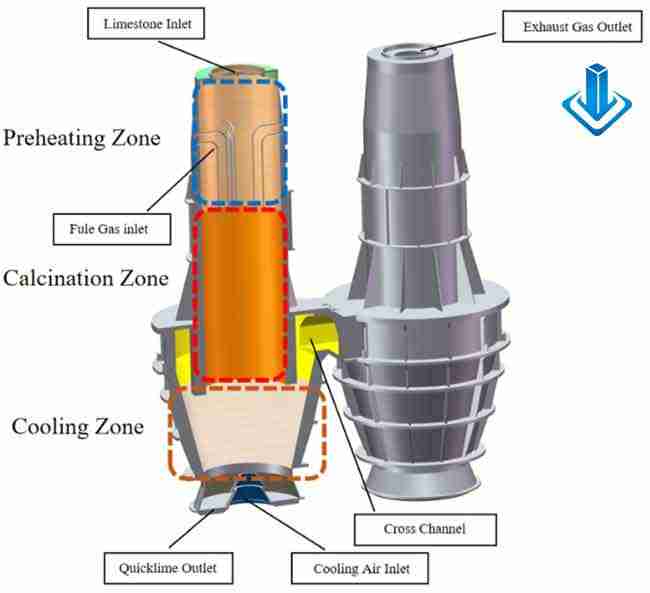
Compared to the vertical coke kiln, the gas-fired vertical lime kiln has the characteristics of a large gas flow rate inside the kiln, high lime activity, uniform indoor temperature, easy temperature control, low requirements for gas selection, and high thermal efficiency.
Technical features: The furnace design includes cylindrical and rectangular + arch structures, with a multi-layer sealed vibrating ash removal machine structure. It is equipped with air and gas heat exchangers to keep the lime’s underburning and overburning rate below 7%, and it also saves gas. For a long time, due to constraints in production technology, kiln equipment, and renovation costs, small and medium-sized metallurgical enterprises in China have mainly used ordinary vertical kilns with coke and coal as fuels for the production of metallurgical lime. This has led to low lime activity. Currently, the transformation of coke vertical kilns into gas-fired vertical kilns for lime production has been widely adopted by small and medium-sized enterprises in the metallurgical system, and there is a trend of further accelerating development.
Oil-Fired Vertical Lime Kiln
Oil-fired lime kilns are industrial furnaces designed to heat limestone or other carbonate materials to produce quicklime (calcium oxide) through the process of calcination. Here are key aspects of oil-fired lime kilns:
- Fuel: Oil-fired vertical lime kilns use various types of liquid fuels, such as diesel or heavy fuel oil, to generate the heat required for lime calcination. In some cases, lighter grades of oil may be used.
- Refractory Lining: Similar to gas-fired kilns, oil-fired kilns have refractory linings to withstand high temperatures during the calcination process.
- Insulation: Insulating materials are used to reduce heat loss and improve energy efficiency.
- Versatility: These kilns can handle different types of liquid fuels, providing flexibility in fuel selection based on availability and cost considerations. Modern oil-fired kilns often incorporate advanced control systems to maintain precise temperature profiles, ensuring efficient calcination.
- Heat Transfer: Oil-fired kilns provide effective heat transfer for the calcination process, ensuring thorough conversion of raw materials into lime. Emission control technologies are employed to minimize environmental impact, including the reduction of particulate matter and other pollutants.
- Maintenance: Proper maintenance is essential for oil-fired kilns to prevent issues related to fuel combustion and to ensure consistent performance.
- Cost Considerations: The cost of oil as a fuel source may vary, impacting the overall operating costs of oil-fired kilns. Oil-fired lime kilns are designed for high thermal efficiency, effectively converting fuel energy into the heat needed for the calcination process.
- Batch or Continuous: Oil-fired lime kilns can operate in batch or continuous modes, depending on the specific design and production requirements.
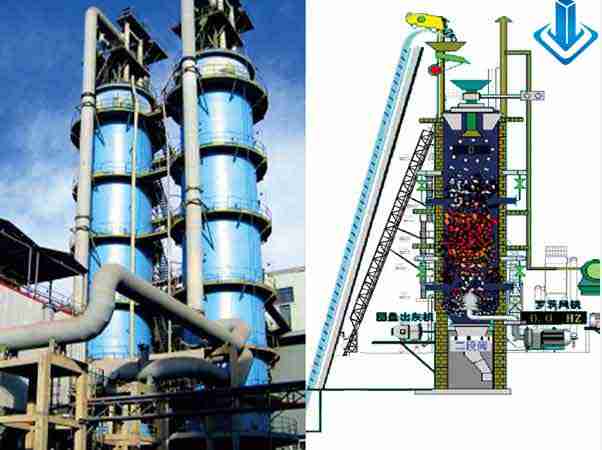
The choice between oil-fired and gas-fired kilns often depends on factors such as fuel availability, cost, and specific industrial requirements. Both types of kilns play a crucial role in processes like lime production, where high-temperature conditions are essential for the desired chemical reactions.