A twin-shaft lime kiln is a type of rotary kiln used for the calcination of limestone to produce lime (calcium oxide). It operates on the same principle as a conventional rotary lime kiln, but with some unique features.
Twin Shaft Lime Kiln Working Process
- Feed Preparation: Limestone, typically in the form of crushed or ground stone, is prepared for feeding into the kiln. The limestone feed may be preheated to reduce the energy consumption of the kiln.
- Feeding: The prepared limestone is fed into the twin shaft lime kiln through the feed chute or hopper. The limestone enters the kiln at the top and descends through the kiln due to gravity.
- Calcination: As the limestone travels down the twin shaft kiln, it is heated to high temperatures by burners located along the length of the kiln. The heat causes the limestone to undergo a chemical reaction known as calcination, where calcium carbonate (CaCO3) in the limestone decomposes to form lime (CaO) and carbon dioxide (CO2).
- Reaction Zone: The calcination reaction takes place primarily in the lower portion of the twin shaft kiln, known as the reaction zone. Here, the limestone is exposed to the highest temperatures, typically ranging from 900°C to 1200°C (1652°F to 2192°F), which are necessary for complete calcination.
- Cooling: After calcination, the lime continues to descend through the kiln to the cooling zone, where it gradually cools down to a temperature suitable for handling and storage. Cooling air may be introduced into the kiln to aid in the cooling process.
- Lime Discharge: Once cooled, the lime is discharged from the twin shaft kiln at the bottom. It may be conveyed to storage bins or silos for further processing or shipment.

The twin shaft lime kiln design allows for better heat transfer efficiency and more uniform heating compared to traditional rotary kilns. The parallel shafts provide a larger surface area for heat exchange, resulting in improved energy efficiency and higher lime quality. Additionally, the twin shaft kiln design allows for better control of temperature and residence time, resulting in more consistent product quality.
Combustion Materials of Twin Shaft Lime Kiln
The combustion material typically used in a twin shaft lime kiln is usually a combination of fossil fuels such as natural gas, oil, or coal, along with oxygen or air. These fuels are burned in the kiln’s combustion chambers to generate the high temperatures required for the calcination process, where limestone is converted into lime (calcium oxide). Additionally, some modern twin shaft lime kilns may also utilize alternative fuels such as biomass or waste-derived fuels to reduce environmental impact and enhance sustainability.
Differences between Twin Shaft Lime Kiln and Double Beam Lime Kiln
The main difference between a twin shaft lime kiln and a double beam lime kiln lies in their respective designs and operation principles
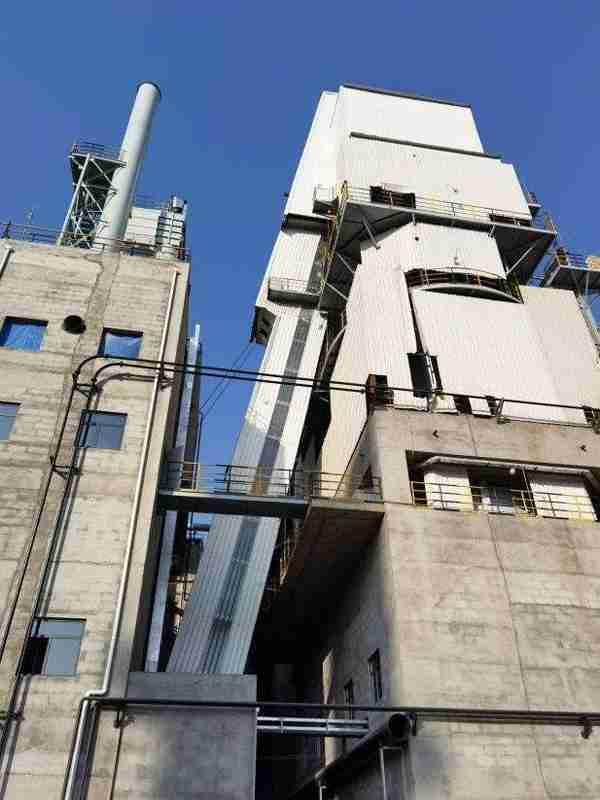


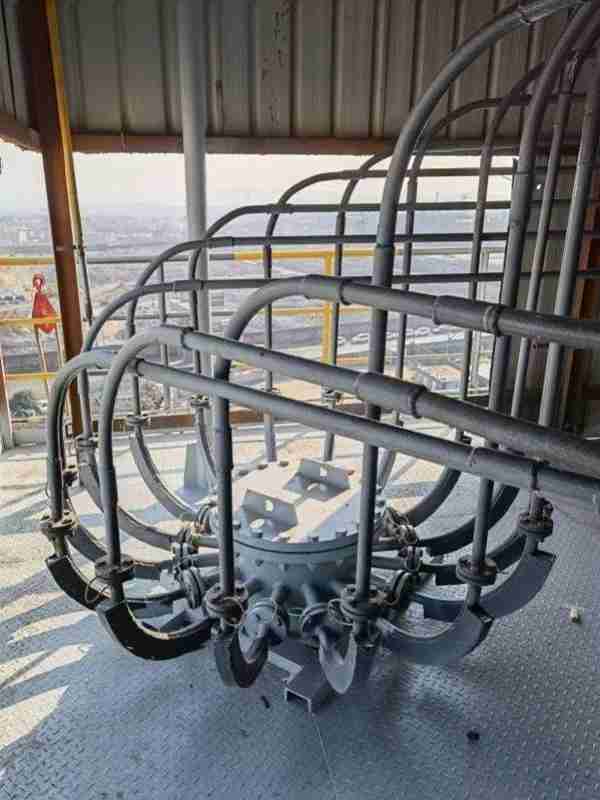
Twin Shaft Lime Kiln
Design: The twin shaft lime kiln features two parallel vertical shafts arranged side by side. Each shaft is equipped with its own combustion chamber and burners.
Operation: The limestone is fed into the top of the twin shaft kiln and descends through the parallel shafts due to gravity. Heat is supplied by burners located along the length of each shaft, promoting the calcination of the limestone. This design allows for better heat transfer efficiency and more uniform heating compared to traditional rotary kilns.
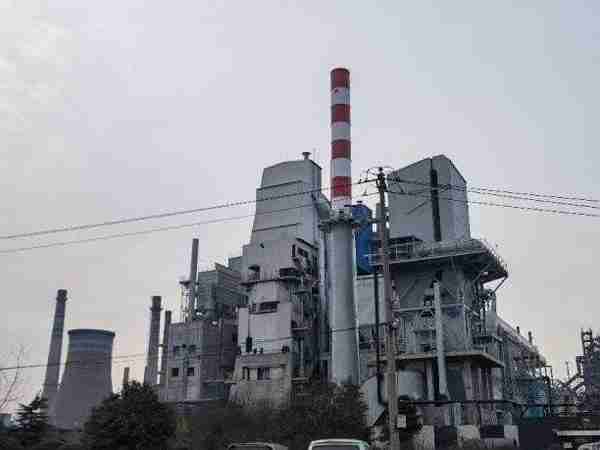
Double Beam Lime Kiln
Design: The double beam lime kiln consists of two vertical shafts positioned one above the other, with a horizontal beam connecting them. Each shaft typically has its own combustion chamber and burners.
Operation: The limestone is fed into the upper shaft of the double beam kiln and descends through the shafts due to gravity. Heat is supplied by burners located in each combustion chamber, promoting the calcination of the limestone. The horizontal beam connecting the shafts provides structural support and stability to the kiln.
While both types of lime kilns serve the same purpose of calcining limestone to produce lime, they differ in their design and arrangement of shafts. The twin shaft lime kiln features two parallel shafts arranged side by side, whereas the double beam lime kiln consists of two shafts positioned one above the other with a horizontal beam connecting them. Each design has its advantages and may be preferred depending on specific operational requirements and preferences.