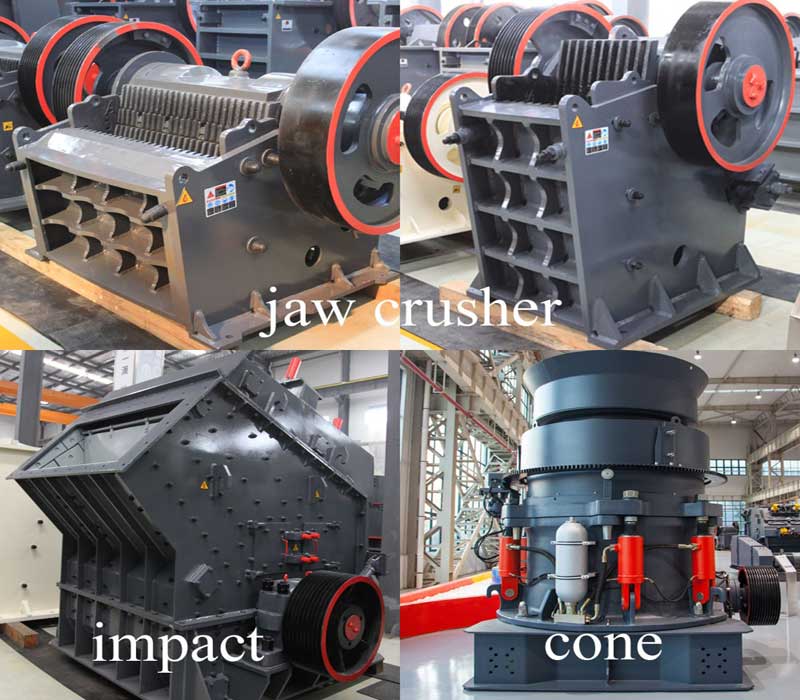
Limestone is a common mineral that is found in abundance in China, where it accounts for more than 64% of the world’s total reserves. It is a versatile resource that finds application in a wide range of industries, from rubber and plastics to metallurgy and cosmetics. One of the most important uses of limestone is as a raw material in the production of lime, which is used in a variety of applications. In this post, we will take a closer look at the composition and working principle of lime kilns.
What is a Lime Kiln?
A lime kiln is a type of oven or furnace that is used to heat limestone to produce quicklime or calcium oxide. Quicklime is a key ingredient in many industrial and chemical processes, and it is used in a variety of applications, from making cement to treating drinking water.
Lime kilns have been used for thousands of years, dating back to the ancient Egyptians who used them to make plaster. Today, modern lime kilns are more efficient and sophisticated, but the basic principles remain the same.
In this post, we will dive deeper into the composition and working principle of a lime kiln, as well as its various applications in industry.

Composition of a Lime Kiln
A typical lime kiln is made up of three sections: preheating zone, calcining zone, and cooling zone. The preheating zone is the first section of the kiln, where the limestone is heated to a temperature of about 800 degrees Celsius. In this section, the limestone is heated by hot gases produced by burning fuel in the kiln. The calcining zone is the second section of the kiln, where the limestone is heated to a temperature of about 1200 degrees Celsius. At this temperature, the limestone undergoes a chemical reaction, called calcination, which results in the formation of quicklime. The cooling zone is the final section of the kiln, where the quicklime is cooled down to a temperature of about 100 degrees Celsius.
Working Principle of a Lime Kiln
The working principle of a lime kiln involves the heating of limestone at high temperatures to convert it into quicklime or calcium oxide. This process is also known as calcination.
When limestone is heated, it undergoes a chemical reaction that releases carbon dioxide and produces quicklime. The reaction is as follows:
CaCO3 (limestone) + heat → CaO (quicklime) + CO2
The limestone is fed into the top of the kiln, where it is heated by a flame generated by burning fuel such as coal, oil, or natural gas. The flame is directed downwards, and the limestone gradually descends through the kiln, undergoing various chemical reactions along the way.
As the limestone moves down the kiln, it is exposed to increasing temperatures, which causes it to lose its carbon dioxide and transform into quicklime. The temperature inside the kiln can reach up to 900°C, and the entire process can take several hours to complete.
The quicklime produced by the lime kiln is then cooled and processed further, depending on its intended use. It can be hydrated with water to produce slaked lime or calcium hydroxide, which is used in construction, agriculture, and other industries. It can also be used to produce lime putty, a traditional building material, or to create lime mortar, a binding agent used in masonry.
Overall, the working principle of a lime kiln is a complex and intricate process that involves the transformation of limestone into quicklime through high-temperature heating and chemical reactions. Understanding this principle is crucial for those working in the lime industry and for those interested in the chemical processes involved in producing essential industrial materials.
Applications of Lime Kilns
Lime kilns have a wide range of applications in various industries, making them an essential component of the industrial sector. Some of the common applications of lime kilns include:
Production of Quicklime: The primary application of lime kilns is to produce quicklime or calcium oxide. Quicklime is used in various industries, such as construction, agriculture, and chemical production.
Soil Stabilization: Lime kiln products such as hydrated lime are used to stabilize soil by reducing the plasticity and swelling characteristics of clay soil.
Environmental Applications: Lime kiln products such as hydrated lime and quicklime are used to treat wastewater and remove impurities in flue gas from industrial processes.
Steel Production: Lime kilns are used in the steel industry as a flux agent to remove impurities from the molten iron during the steelmaking process.
Pulp and Paper Industry: Lime kiln products are used as a reagent to convert wood chips into pulp during the papermaking process.
Types of Lime Kilns
There are various types of lime kilns available, each designed for specific applications. The most common types of lime kilns include:
- Rotary Lime Kilns: This type of kiln consists of a rotating cylinder that is heated from the inside using a flame. The limestone is fed into the top of the cylinder and gradually moves down as it is heated and converted into quicklime.
- Vertical Lime Kilns: This type of kiln consists of a vertical shaft that is heated from the bottom using a flame. The limestone is fed into the top of the shaft and gradually moves down as it is heated and converted into quicklime.
- Annular Shaft Kilns: This type of kiln consists of a series of stacked chambers arranged in a circular pattern. The limestone is fed into the top of the first chamber and gradually moves down as it is heated and converted into quicklime. The combustion gases pass through the center of the kiln and are used to heat the limestone.
Overall, understanding the various types and applications of lime kilns is essential for those working in the industrial sector and those interested in the production of quicklime and other lime products.
Lime kilns are essential in the production of quicklime, which is a crucial raw material in many industrial processes. The composition and working principle of lime kilns are relatively simple, but they play a vital role in many industries. Limestone is a versatile resource that finds application in a wide range of industries, and quicklime is a valuable product that has numerous applications.