Importance of Dust Removal in Lime Kilns
Lime kilns are increasingly appearing in our sight, playing a very important role, which cannot be replaced by other lime production equipment currently available. Lime kilns are essential in the production of lime, a key ingredient in many industrial and consumer applications. Lime is widely used in many industries such as roads and construction, and there is a large demand for it in the market. During the production process of the lime kiln, a large amount of smoke and dust enter the atmosphere, which seriously pollutes the ecological environment and has a certain impact on the surrounding population, leads to reduced efficiency and increased maintenance costs. To keep your lime kiln running smoothly, it’s important to clean it regularly.
If you’re in the lime industry, you know that lime kilns can become clogged and dirty over time, leading to reduced efficiency and increased maintenance costs. Fortunately, regular cleaning can help prevent these problems and keep your kiln running smoothly. In this guide, we’ll take you through the steps involved in cleaning a lime kiln, from preparing the kiln to disposing of the waste.
Safety Precautions
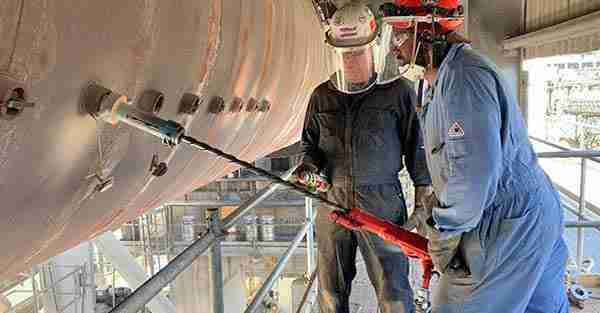
Cleaning a lime kiln can be a dangerous task, so it’s important to take appropriate safety precautions. This section will cover the equipment and protective gear you’ll need, as well as the steps you should take to ensure your safety.
Preparing the Kiln
Before you can begin cleaning the kiln, you’ll need to prepare it. This section will cover the steps involved in preparing the kiln for cleaning, including shutting it down, removing any residual material, and creating a safe work area.
Cleaning the Kiln
The actual cleaning process will depend on the type of kiln you have and the level of buildup inside it. This section will provide an overview of the different cleaning methods, including mechanical cleaning, chemical cleaning, and steam cleaning.
Disposing of Waste
After cleaning the kiln, you’ll need to dispose of the waste material in a safe and environmentally responsible way. This section will cover the various options for waste disposal, including landfill, recycling, and reuse.
Inspecting the Kiln
Regular inspections can help you identify and address potential problems before they become major issues. This section will cover the steps involved in inspecting a lime kiln, including visual inspections, temperature readings, and equipment testing.
Troubleshooting
Even with regular maintenance and cleaning, issues can arise with your lime kiln. This section will cover some common problems and their solutions, including clogging, damage to refractory materials, and burner issues.
Preventative Maintenance
Preventative maintenance is key to keeping your lime kiln running smoothly and avoiding costly repairs. This section will cover some best practices for preventative maintenance, including regular cleaning, inspections, and replacement of worn or damaged parts.
Common Mistakes to Avoid
Cleaning a lime kiln can be a complex task, and there are several common mistakes that can lead to costly problems. This section will cover some of these mistakes, including using the wrong cleaning method, failing to properly dispose of waste, and neglecting regular inspections.
Cleaning a lime kiln is an essential task for anyone in the lime industry. By following the steps outlined in this guide, you can ensure that your kiln stays clean and efficient, helping to keep your operations running smoothly and reducing your maintenance costs.
Since modern society advocates environmental protection, it is necessary to do a good job of cleaning the lime kiln. Most of the dust in the lime kiln is easy to clean. The frequency of cleaning the kiln should not be too frequent, and regular cleaning is sufficient. Excessive cleaning will accelerate the wear and shorten the service life of the lime kiln.
Doing a good job of cleaning is also an important issue for improving kiln production. By making a good lime kiln cleaning plan and regularly cleaning and maintaining it, the normal operation of the kiln can be guaranteed, and the work efficiency of lime production can be improved.
Compared with other machinery, cleaning the lime kiln is much easier, as there are not many things to clean, and the cleaning time is not too frequent. Doing a good job of cleaning is also a guarantee for improving kiln production. Although the impact is not very significant, it still plays a huge role in environmental protection.
By summarizing the above, I believe that everyone not only understands the importance of cleaning the lime kiln, but also knows the methods and precautions for cleaning the lime kiln. If you want to know more product information, please feel free to contact us or follow our website updates.
What Harm Will a Lime Kiln Cause If It is not Dusted?
The most difficult problem in lime kiln production technology is dust removal from the kiln. Ordinary kilns produce a large amount of dust during production, which poses a serious threat to the dust within a few miles. What harm will the dust generated by the kiln cause?
A large amount of dust will bring a serious burden on people’s respiratory system. People who live in a large amount of dust for a long time will cause bronchitis, bronchial asthma, emphysema, and lung cancer. In addition, some unknown difficult-to-diagnose diseases related to air pollution have also been discovered. At the same time, contact with dust on our skin can bring some uncomfortable symptoms.
It poses a threat to our environment. The environment is the foundation of human survival. If the environment deteriorates, our descendants will be in crisis. TSP is one of the main indicators for evaluating air quality and is often the key to controlling air quality. With consideration of human health, PM10 monitoring is also gradually being valued. It can be seen that the treatment of gas containing dust is very important.
Dust will bring harm to buildings, plants, animals, etc. If there is too much dust, it will corrode the surface of the building, causing the building to collapse prematurely; if it is accumulated on the leaves of plants for a long time, it will affect the photosynthesis of plants and cause a decline in plant vitality. For animals, too much dust will harm their health and survival.
Therefore, dust removal is necessary in lime kilns, which not only protects the environment, but also ensures the health and safety of human beings and other living things.