Maintaining lime vertical kilns is essential for the optimal performance and longevity of the equipment. Lime vertical kilns are used for the production of quicklime and are subjected to high temperatures, chemical reactions, and mechanical stresses. Over time, the kiln’s components can degrade, wear out, or become damaged, leading to reduced efficiency, increased downtime, and safety hazards.
Regular maintenance of lime vertical kilns
Improved efficiency: A well-maintained kiln can operate at peak efficiency, producing the required amount of quicklime with minimal energy consumption and reduced waste.
Reduced downtime: Planned maintenance can prevent unexpected breakdowns and reduce unscheduled downtime, ensuring continuous production and minimal disruption to the operation.
Longer equipment lifespan: By identifying and addressing issues early, maintenance can extend the kiln’s lifespan, reducing the need for premature replacement.
Enhanced safety: Regular maintenance can identify and mitigate safety hazards, reducing the risk of accidents and injuries to personnel.
Cost savings: Maintaining lime vertical kilns can help reduce overall maintenance costs by preventing major repairs and replacements, reducing energy consumption, and improving productivity.
In summary, regular maintenance of lime vertical kilns is crucial for ensuring reliable and safe operation, optimizing performance, and minimizing costs.
Understanding the Lime Vertical Kiln
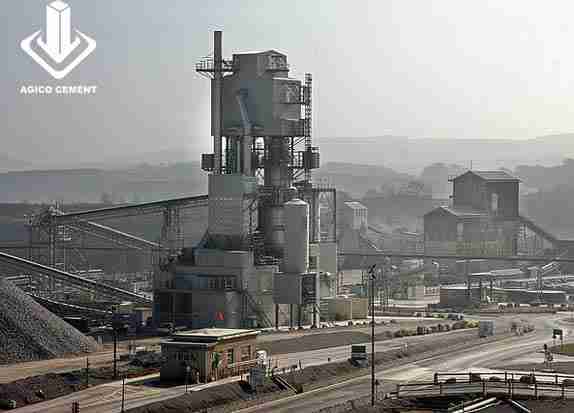
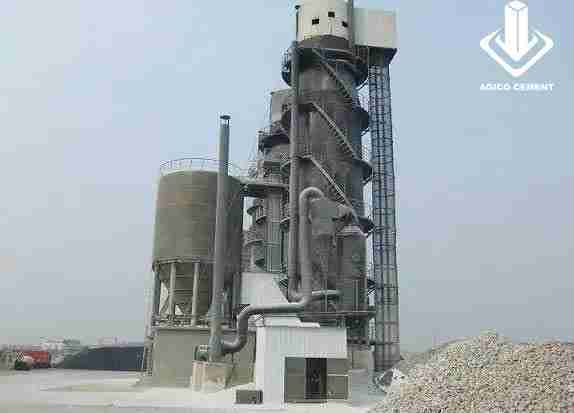
Lime vertical kilns are cylindrical structures used for the production of quicklime, a key ingredient in a variety of industrial processes, including steelmaking, papermaking, and water treatment. Understanding the basic components, types of kilns, and how a lime vertical kiln works is crucial for effective maintenance and operation.
Basic components
A lime vertical kiln typically consists of a steel shell lined with refractory bricks, supported by rollers, and equipped with a feed and discharge system. The main components include:
Burner: A device that provides heat to the kiln, usually powered by natural gas, oil, or coal.
Charging system: A system that introduces limestone into the kiln, typically through a hopper or screw feeder.
Preheating zone: The upper section of the kiln, where the limestone is heated to the desired temperature.
Calcining zone: The central section of the kiln, where the limestone is converted into quicklime through a chemical reaction.
Cooling zone: The lower section of the kiln, where the quicklime is cooled and discharged from the kiln.
Exhaust system: A system that removes exhaust gases from the kiln and directs them to a baghouse or other filtration system.
Types of kilns
There are several types of lime vertical kilns, including:
- Single shaft kilns: A kiln with a single, vertical shaft for limestone calcination, usually with a counter-flow arrangement of hot gas and limestone.
- Twin shaft kilns: A kiln with two, parallel vertical shafts for limestone calcination, usually with a cross-flow arrangement of hot gas and limestone.
- Annular kilns: A kiln with a ring-shaped, horizontal chamber for limestone calcination, usually with a rotating furnace.
- Regenerative kilns: A kiln with a heat exchanger that recovers waste heat from the exhaust gases and preheats the limestone.
How a lime vertical kiln works
In a lime vertical kiln, limestone is fed into the top of the kiln and heated to a high temperature, typically between 900 and 1200°C. The limestone undergoes a series of chemical reactions, including decomposition and carbonation, to produce quicklime. The quicklime is then cooled and discharged from the bottom of the kiln.
The heat required for the calcination process is provided by a burner located at the bottom of the kiln, which heats the limestone as it moves down through the kiln. The burner is fueled by natural gas, oil, or coal, and the combustion gases are directed upward through the kiln, providing the necessary heat for the calcination process.
The exhaust gases from the kiln are removed through an exhaust system, usually consisting of a fan and ductwork, and directed to a baghouse or other filtration system for environmental compliance. The quicklime produced in the kiln is transported to storage or processing facilities for further use.

Importance of Regular Maintenance
Regular maintenance of lime vertical kilns is critical for ensuring optimal performance, longevity, and safety of the equipment. Neglecting maintenance can lead to premature equipment failure, unscheduled downtime, and safety hazards.
Extending the lifespan of the kiln
By conducting regular maintenance, kiln components can be inspected, cleaned, and replaced as necessary, which can help extend the lifespan of the kiln. Identifying and addressing issues early on can prevent further damage and reduce the need for premature replacement.
Reducing the risk of breakdowns
Planned maintenance can prevent unexpected breakdowns and reduce unscheduled downtime, ensuring continuous production and minimal disruption to the operation. For example, regular inspection of the refractory lining can prevent cracks and other damage that can lead to heat leaks, which can cause equipment failure and unscheduled downtime.
Improving safety
Regular maintenance can identify and mitigate safety hazards, reducing the risk of accidents and injuries to personnel. For example, inspecting and maintaining the burner and fuel system can prevent gas leaks and other combustion hazards, which can cause fires or explosions.
Cost savings
Maintaining lime vertical kilns can help reduce overall maintenance costs by preventing major repairs and replacements, reducing energy consumption, and improving productivity. For example, regularly cleaning and maintaining the burner can improve combustion efficiency, reducing fuel consumption and costs.
Maintenance Checklist
A maintenance checklist is a critical tool for ensuring that all necessary maintenance tasks are completed on time and to the required standards. A comprehensive maintenance checklist for lime vertical kilns should include the following:
Daily maintenance tasks:
Inspect the burner for any signs of damage or wear.
Check the fuel level and quality.
Verify that the flame is stable and blue in color.
Check the temperature of the exhaust gases.
Weekly maintenance tasks:
Inspect the refractory lining for any signs of damage or wear.
Check the condition of the seals and gaskets.
Inspect the combustion air blower and clean it if necessary.
Verify that all electrical connections are tight.
Monthly maintenance tasks:
Inspect the fan blades and motor for any signs of damage or wear.
Lubricate all moving parts.
Check the operation of the temperature controls and alarms.
Inspect the pressure relief valve for proper operation.
Annual maintenance tasks:
Perform a thorough inspection of the entire kiln.
Clean the burner and fuel system.
Inspect and clean the heat exchanger.
Perform a comprehensive maintenance review.


Inspecting the Kiln
Regular inspections are essential for identifying potential issues early on and preventing equipment failure. When inspecting a lime vertical kiln, it’s important to focus on the following common inspection points:Refractory lining, Burner and fuel system, Combustion air blower, Heat exchanger, Electrical connections, Temperature controls and alarms.
During the inspection, it’s essential to look for signs of damage, wear, or corrosion, such as cracks, leaks, or discoloration. The following tools may be necessary for the inspection: Flashlight, Inspection mirror, Thermometer, Combustion analyzer, Pressure gauge.
Cleaning the Kiln
Proper cleaning is crucial for maintaining the performance and safety of a lime vertical kiln. Cleaning should be done on a regular basis and should include the following techniques:
Dry cleaning with a wire brush or scraper to remove loose debris and buildup.
Wet cleaning with water or steam to remove stubborn buildup.
Chemical cleaning to remove mineral deposits or other types of buildup.
Cleaning should be done when the kiln is not in operation and after it has cooled down to a safe temperature.
Replacing Parts
Replacing worn or damaged parts is a critical aspect of maintaining a lime vertical kiln. Common parts that may need replacement include: Refractory lining, Burner and fuel system components, Fan blades and motor, Seals and gaskets.
To identify parts that need replacement, it’s important to look for signs of wear, damage, or corrosion, such as cracks, leaks, or discoloration. To replace parts, the following steps may be necessary:
Shut down the kiln and allow it to cool down to a safe temperature.
Remove the damaged or worn part.
Install the new part, making sure to follow all manufacturer instructions and guidelines.
Test the equipment to ensure proper operation before restarting the kiln.