Rotary lime kilns are widely used in various industries for processing limestone, dolomite, and other minerals. These kilns use heat and rotational motion to convert raw materials into a highly reactive lime product that is essential in many industrial processes. Rotary lime kilns consist of various parts, and each part plays a critical role in ensuring the kiln’s optimal performance. In this article, we will discuss in detail the different parts of a rotary lime kiln.
Rotary Lime Kiln Parts Overview
A typical rotary lime kiln consists of several main components that work together to convert raw materials into lime products. These components include the kiln shell, riding rings, thrust roller and thrust idler, girth gear and pinion, kiln tyres and rollers, refractory lining, combustion system, drive system, seals and bearings, and kiln alignment.
The material flow inside the rotary kiln is critical to the kiln’s performance. The raw material is fed into the upper end of the kiln and moves downward due to the kiln’s slope and rotational motion. The material undergoes several chemical and physical transformations as it moves through the kiln. The heat generated by the combustion system and the hot gas flow inside the kiln play a crucial role in the material transformation process. The material ultimately exits the kiln at the lower end and is cooled before being processed further.
Understanding the different components and material flow inside a rotary lime kiln is essential in maintaining and troubleshooting the kiln’s optimal performance.

Kiln Shell and Riding Rings
The kiln shell and riding rings are essential components of a rotary lime kiln. The kiln shell is a large cylindrical steel structure that provides a housing for the kiln’s interior components, while the riding rings serve as supports for the kiln’s weight and help distribute the load evenly.
Purpose and Function
The kiln shell and riding rings play a vital role in maintaining the kiln’s structural integrity and ensuring optimal performance. They provide a stable base for the kiln, protect the interior components from external elements, and help distribute the load evenly across the kiln’s length.
Wear and Tear
Over time, the kiln shell and riding rings can experience wear and tear due to factors such as thermal expansion, mechanical stress, and exposure to corrosive materials. Cracks, deformations, and uneven wear can compromise the kiln’s structural integrity and result in decreased performance.
Inspection and Maintenance
Regular inspection and maintenance of the kiln shell and riding rings are critical in preventing major failures and prolonging the kiln’s lifespan. Inspections should include visual checks, non-destructive testing, and thickness measurements to identify any signs of wear or damage. Repairs and maintenance should be conducted promptly to prevent further damage.
In summary, the kiln shell and riding rings are vital components of a rotary lime kiln that play a crucial role in maintaining the kiln’s structural integrity and ensuring optimal performance. Regular inspection and maintenance are necessary to prevent wear and tear and prolong the kiln’s lifespan.

Combustion System
The combustion system is an essential component of a rotary lime kiln that helps heat the kiln and facilitate the lime-making process. Understanding the different types of burners and fuels used in rotary kilns is critical for ensuring optimal performance and reducing the risk of damage or downtime.
Burner Types and Functions
Types of Burners: There are various types of burners that can be used in rotary lime kilns, such as Pillard burners, KHD burners, FLSmidth burners, and others. Each type of burner has its own unique design and operating characteristics, which can affect factors such as heat transfer, fuel efficiency, and emissions.
Functions of Burners: Burners play a critical role in the combustion process, as they are responsible for supplying and mixing the fuel and air needed to generate the high temperatures required for lime calcination. They can also impact other aspects of kiln performance, such as thermal profile and fuel consumption.
Fuel Types and Properties
Types of Fuel Used: The choice of fuel used in a rotary lime kiln can vary depending on factors such as availability, cost, and environmental considerations. Some commonly used fuels include natural gas, petcoke, coal, and others. Each fuel type has its own unique properties, such as calorific value, ash content, and sulfur content, which can impact combustion efficiency and emissions.
Properties of Fuel: Understanding the properties of the fuel being used is important for optimizing combustion performance and minimizing emissions. For example, high sulfur content in petcoke can lead to increased sulfur dioxide emissions, which can have negative environmental impacts. Similarly, a low calorific value fuel may require higher burner firing rates to achieve the required temperatures, which can impact fuel consumption.
Maintenance and Troubleshooting Tips
Regular Inspection and Cleaning: Proper maintenance of the combustion system is essential for ensuring optimal performance and minimizing downtime. This can include regular inspection and cleaning of burners, fuel injectors, and combustion air ports to ensure they are free of debris and operating correctly.
Common Issues and Remedies: Despite regular maintenance, combustion system issues can still occur. Common issues can include flame instability, fuel gas leakage, and burner nozzle wear. Troubleshooting these issues can involve a range of approaches, such as adjusting fuel and air flow rates, changing fuel type, or replacing damaged components.
Best Practices for Combustion Optimization: To ensure optimal performance and minimize emissions, there are a range of best practices that can be employed when operating the combustion system. These can include optimizing fuel-air ratio, controlling kiln draft, and monitoring key operating parameters such as kiln inlet temperature and oxygen levels.
Kiln Tyres and Rollers
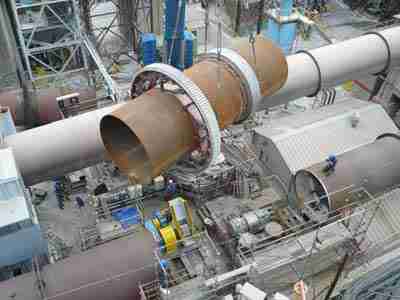
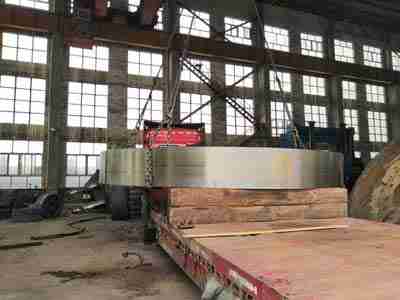
Kiln tyres and rollers are essential components of a rotary lime kiln that help distribute weight and support the kiln’s load. Proper maintenance and inspection of these components are critical for ensuring optimal kiln performance.
Importance in Distributing Weight and Supporting Load
Kiln tyres and rollers work together to distribute weight and support the kiln’s load, which helps maintain the kiln’s structural integrity and prevent excessive vibration. Proper functioning of these components is essential for ensuring optimal performance and reducing the risk of damage to the kiln and its components.
Inspection and Maintenance Guidelines
Regular inspection and maintenance of kiln tyres and rollers are necessary to prevent wear and damage. Inspections should include visual checks, measurements, and non-destructive testing to detect any signs of wear or damage. Proper lubrication and alignment are also essential for maintaining optimal performance.
Common Issues and Troubleshooting Tips
Common issues with kiln tyres and rollers can include uneven wear, misalignment, and excessive vibration. Troubleshooting tips may include addressing these issues promptly, ensuring proper lubrication and alignment, and conducting regular inspections and maintenance.
Refractory Lining
Refractory lining is an essential component of a rotary lime kiln that helps protect the kiln’s shell from the high temperatures and corrosive materials involved in the lime-making process. Proper maintenance of the refractory lining is critical for ensuring optimal kiln performance and longevity.
Types of Refractory Materials
Refractory materials used in rotary lime kilns can vary depending on factors such as temperature, chemical composition, and process requirements. Common materials include high-alumina, silica, and magnesite.
Importance of Lining Maintenance
Maintaining the refractory lining is critical for preventing damage to the kiln’s shell and ensuring optimal performance. Regular inspection and maintenance can help identify and address any issues promptly, such as cracks or erosion, that could lead to further damage and decreased performance.
Common Refractory Lining Issues and Remedies
Common issues with refractory lining can include cracking, erosion, and thermal shock. Remedies may include patching or replacing damaged sections, ensuring proper curing and installation, and using appropriate materials for the kiln’s specific requirements.
There are some other parts of rotary lime kiln, please pay close attention to our update.