What is the Use of Lime after Lime Manufacturing
Properties of Lime
Lime refers to a product derived from the thermal decomposition of calcium carbonate, with the chemical formula CaO. It has a white or gray appearance, is odorless, and highly hygroscopic. Lime is strongly alkaline and releases heat when dissolved in water, making it highly corrosive. Lime has a wide range of applications across various fields, including construction, agriculture, environmental protection, metallurgy, medicine, textiles, and firefighting. Its multifunctionality makes it an indispensable material in many areas.

Applications and Uses of Lime
Construction Materials Industry
Lime is one of the most important raw materials in the construction materials industry. It can be used to manufacture cement, limestone, lime bricks, lime asphalt mix, and concrete, all of which have widespread applications. Lime can also serve as a desiccant to keep buildings dry. Lime mortar is used for bricklaying and plastering, providing good adhesion and plasticity. Additionally, lime can be used as whitewash, offering anti-corrosive and aesthetic benefits for walls.
Industrial Sector
Lime also has various applications in the industrial sector. It can be used for industrial wastewater treatment by adjusting the PH value of water, causing impurities to precipitate. Moreover, lime is used in the production of steel, paper, glass, and other industries to regulate acidity and reduce turbidity, thus improving the purity of steel and whitening paper through the bleaching process. Lime is also an important raw material for manufacturing chemical products such as calcium hydroxide and calcium carbonate.
Agricultural Field
In agriculture, lime can improve soil PH and increase calcium content, aiding in crop growth. It can neutralize soil acidity, enhancing soil fertility and disease resistance, making it easier for plants to absorb nutrients. Lime can also be used in animal feed to prevent bone problems caused by calcium deficiency in animals.
Environmental Protection
Lime is also used in environmental protection. It can treat waste gases by spraying lime powder to absorb impurities like sulfur dioxide from polluted air, thus purifying the air. Furthermore, lime can be used in greening projects to increase soil PH and promote plant growth.
Manufacturing Process of Lime


Raw Material Preparation
The primary raw material for the manufacturing process of lime is limestone, which is mainly composed of calcium carbonate (CaCO₃). Suitable limestone raw materials need to be selected, typically requiring high purity, low impurities, high calcium content, moderate particle size, and hardness.
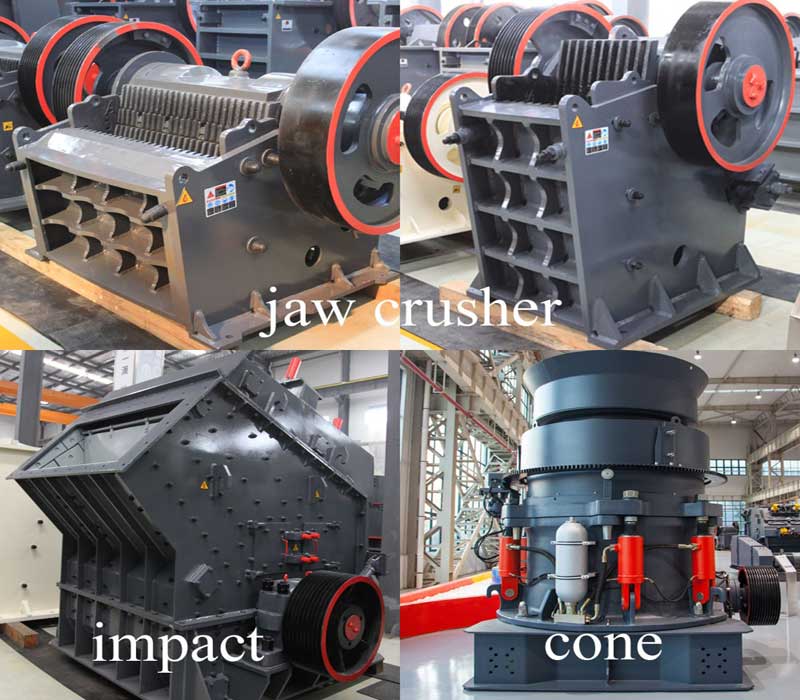
Limestone is initially crushed using crushers like jaw crushers, impact crushers, and hammer crushers. The crushed limestone is then screened to classify it into different sizes suitable for subsequent lime production process.
Limestone, a sedimentary rock, comes in different density ranges:
1. Low-density limestone: 1,760-2,160 kg/m³.
2. Medium-density limestone: 2,160-2,560 kg/m³.
3. High-density limestone: >2,560 kg/m³.
Crushing of Limestone
Limestone is fed into the crusher through a vibrating feeder. After primary and secondary crushing, the material is classified by a vibrating screen. Larger particles are sent back for further crushing, while finished products are conveyed to the storage area.
Preheating
Crushed limestone is sent to a preheater for preheating, which improves the thermal efficiency of the lime kiln and helps reduce fuel consumption.
Equipment for the Manufacturing Process of Lime

Twin shaft lime kiln for lime manufacturing

Vertical lime kiln used in lime production process

Jaw crusher for lime manufacturing
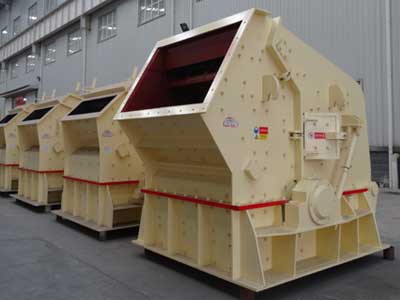
Impact crusher for lime manufacturing
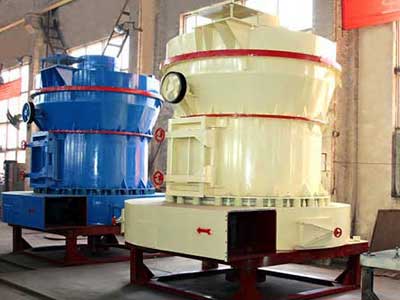
Ball mills for lime production process
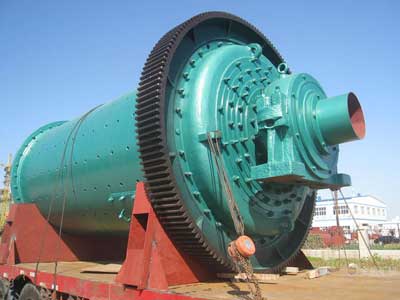
Large ball mills for lime manufacturing

Preheater for manufacturing process of lime

Rotary lime kiln for lime manufacturing
Calcination
Calcination is the core step in the manufacturing process of lime. Preheated limestone is fed into the lime kiln, where it is heated at high temperatures to decompose into calcium oxide (lime) and carbon dioxide.
There are several types of lime kilns, such as vertical lime kilns like twin shaft lime kilns, annular shaft lime kilns, double beam lime kilns, etc., and rotary lime kilns. Shaft kilns are simpler, energy-efficient, and easy to maintain but have lower output, whereas rotary kilns are highly automated and have higher output but higher energy consumption.
The calcination process requires precise control of temperature (typically between 800 and 1200 degrees Celsius), calcination time, and oxygen supply to ensure the quality of the lime.
Cooling and Grinding of Quicklime
The calcined lime, known as quicklime, is very hot and needs to be cooled during lime manufacturing. Cooling can be done naturally or forcibly through methods like forced ventilation or water cooling.
After cooling, the quicklime is ground to increase its surface area and improve its application performance. Grinding equipment includes ball mills, Raymond mills, and vertical mills.
Classification and Packaging
Cooled lime is screened to remove unqualified large particles and then classified according to particle size requirements. Qualified lime is either packaged for storage or directly transported to the usage site.
Quality Control and Environmental Protection
Throughout the lime production process, strict quality control is crucial. Monitoring the temperature, time, and quality of raw materials in the lime kiln ensures the activity and purity of the lime.
Proper storage of quicklime is essential, preferably in dry, ventilated areas away from fire sources to prevent moisture and deterioration.
Environmental protection measures are necessary to mitigate the impact of waste gases, dust, and wastewater produced during lime manufacturing. This includes installing dust removal equipment, wastewater treatment facilities, and controlling carbon dioxide emissions to ensure environmentally friendly production processes.
The manufacturing process of lime is complex and requires meticulous control at every stage, from raw material selection and preparation to product storage and environmental measures. Adhering to these procedures ensures that the lime produced meets market demands in terms of quality and quantity while minimizing environmental impact.
Modern Technologies in Manufacturing Process of Lime
Automated Production
- With continuous technological advancements, lime production has gradually become automated. Automation in lime production involves using automated control systems to precisely regulate parameters such as calcination temperature and oxygen supply. Additionally, automated equipment is used for raw material crushing, screening, and grinding. Automated production enhances production efficiency, reduces labor costs, and improves product quality and consistency.
Quality Monitoring
- Quality monitoring is crucial to ensuring product quality in lime production. Real-time monitoring of calcination temperature and time can be achieved using online monitoring equipment. Additionally, chemical composition analysis and physical performance testing can be conducted on the products to ensure quality. Effective quality monitoring helps identify and rectify issues in the production process, ensuring product stability and reliability.

Common Problems and Solutions in the Lime Production Process
Common Problems during Lime Manufacturing
- During the manufacturing process of lime, several common issues may arise, such as uneven calcination and substandard product purity. These problems can be caused by unstable raw material quality, inaccurate control of calcination temperature, and equipment malfunctions.
Solutions in the Manufacturing Process of Lime
- To address these common problems, specific solutions and improvement suggestions can be implemented. Firstly, ensure stable raw material quality by conducting strict selection and inspection. Secondly, optimize the calcination temperature control system to ensure accuracy and stability. Lastly, enhance equipment maintenance and care to promptly detect and resolve equipment failures.
Economic Benefits of Lime Manufacturing
Cost-Effectiveness Analysis
- The costs of lime production mainly include raw material costs, energy costs, and labor costs. By optimizing production processes and adopting modern technologies, production costs can be reduced while improving product quality. Lime, being widely used in construction materials and chemical industries, has a large and stable market demand, offering significant economic benefits.
Market Prospects of Lime Manufacturing
- With ongoing economic development and rapid urbanization, the demand for lime in various industries continues to increase. Lime’s applications are expanding, particularly in construction, metallurgy, and environmental protection. Consequently, lime production presents broad market prospects and development potential.
Modern technologies in lime production, including automation and quality monitoring, play a significant role in enhancing efficiency and ensuring product quality. Addressing common production issues through systematic solutions further improves production reliability. The economic benefits and favorable market prospects make lime production a lucrative industry with substantial growth potential.